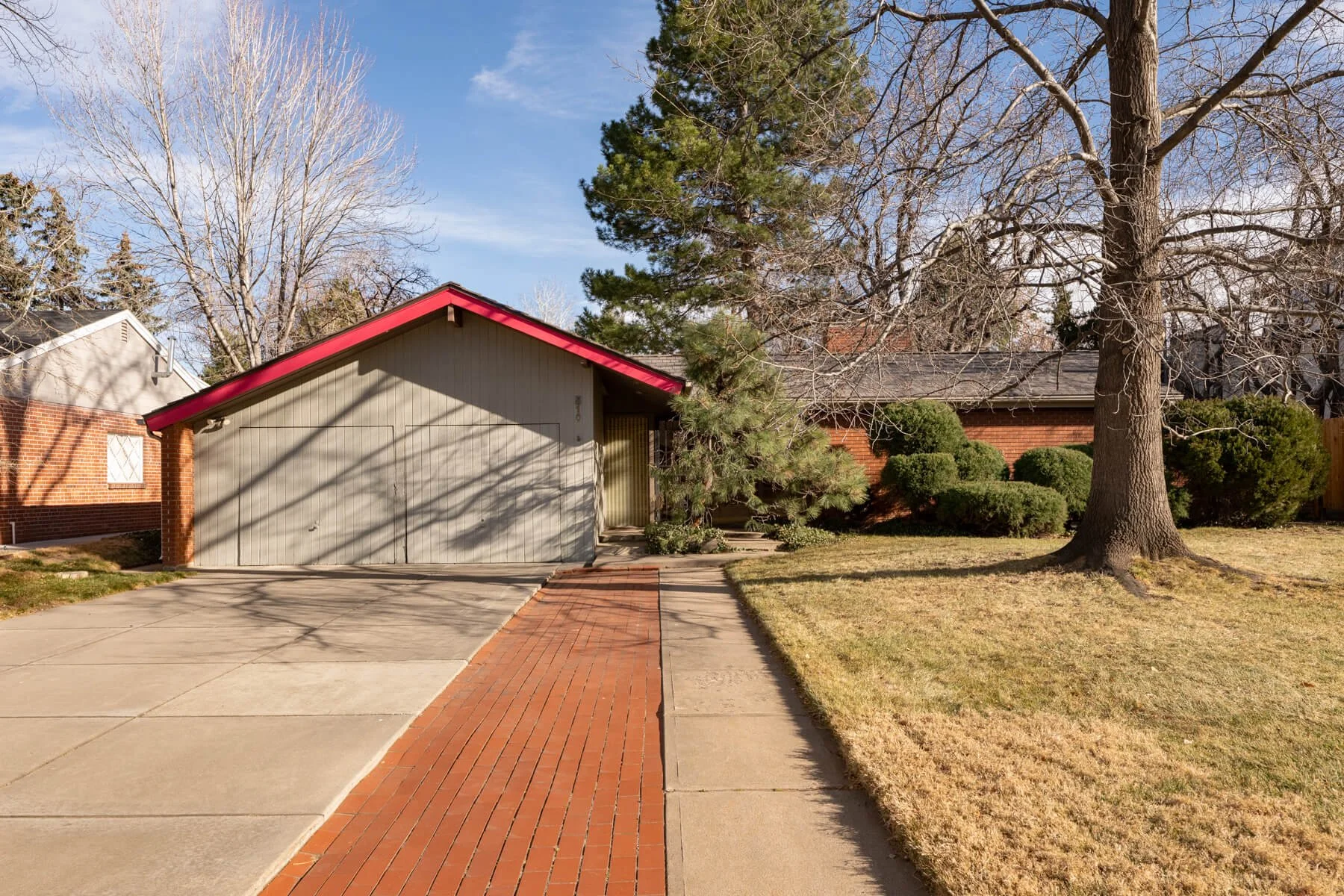
510 S Garfield St | McCallin-Kulish House
Here is your chance to own a truly iconic piece of Denver History!
510 S Garfield St
Denver, CO 80209
Sold!
Sold for $1,155,000 with Adrian Kinney
Designed by the famed architect- Joseph “Gerry” Dion. This home truly exemplifies all what Modernism was supposed to be.
After learning from the giant, Eugene Sternberg, Gerry worked with Edward Hawkins on the famed Arapahoe Acres Development in Englewood, CO. The home keeps its original footprint, and to my joy, most all the details inside the home.
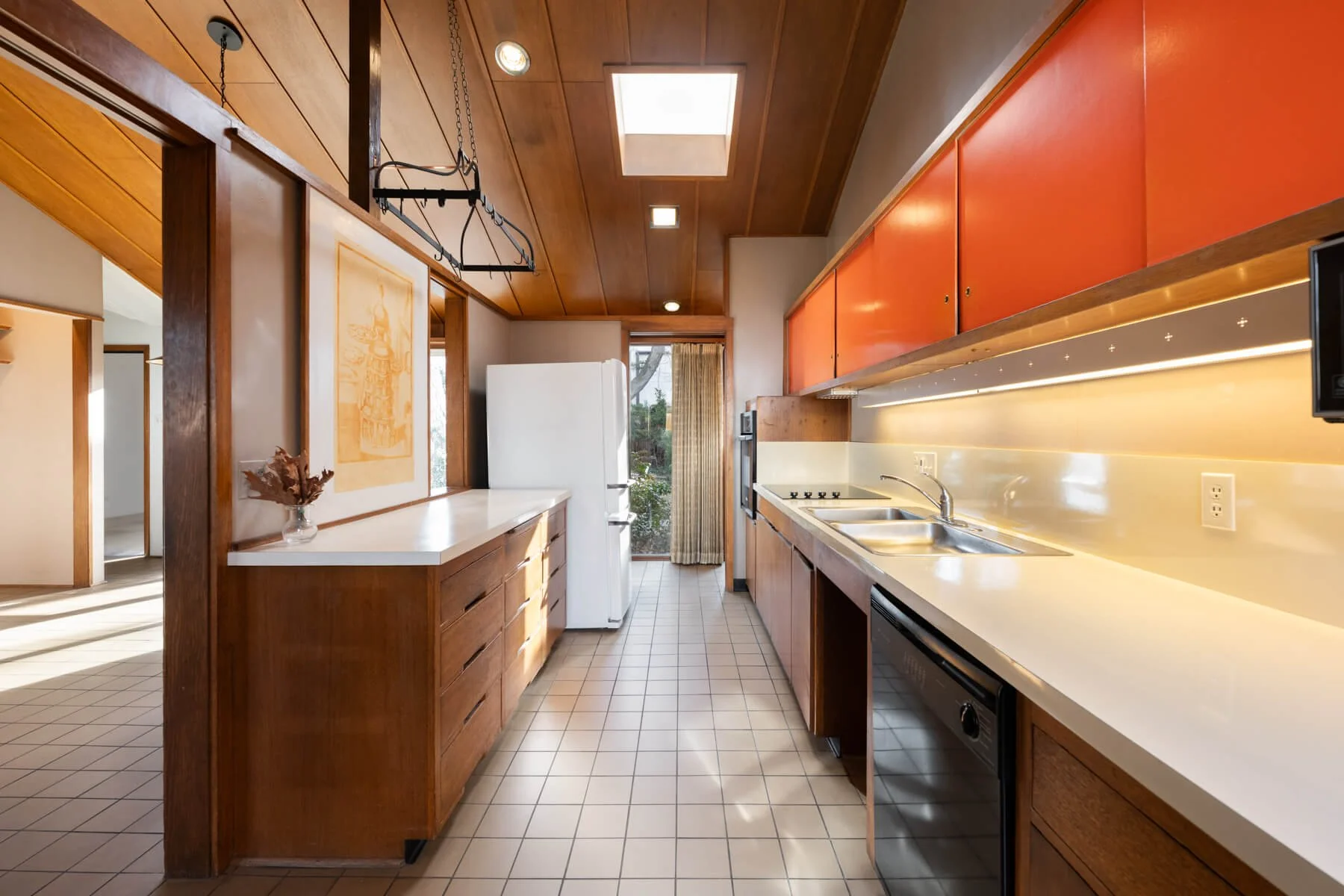
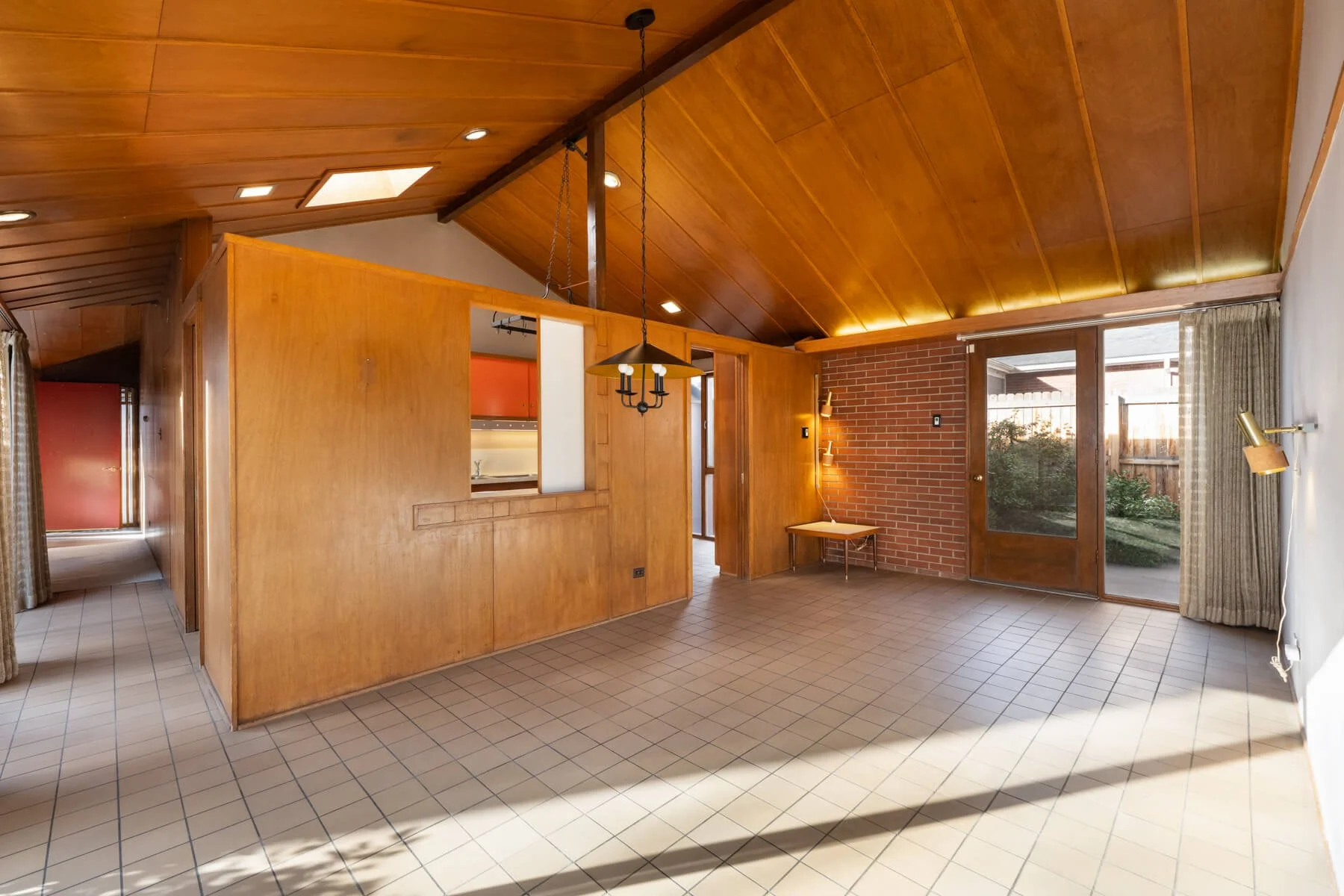
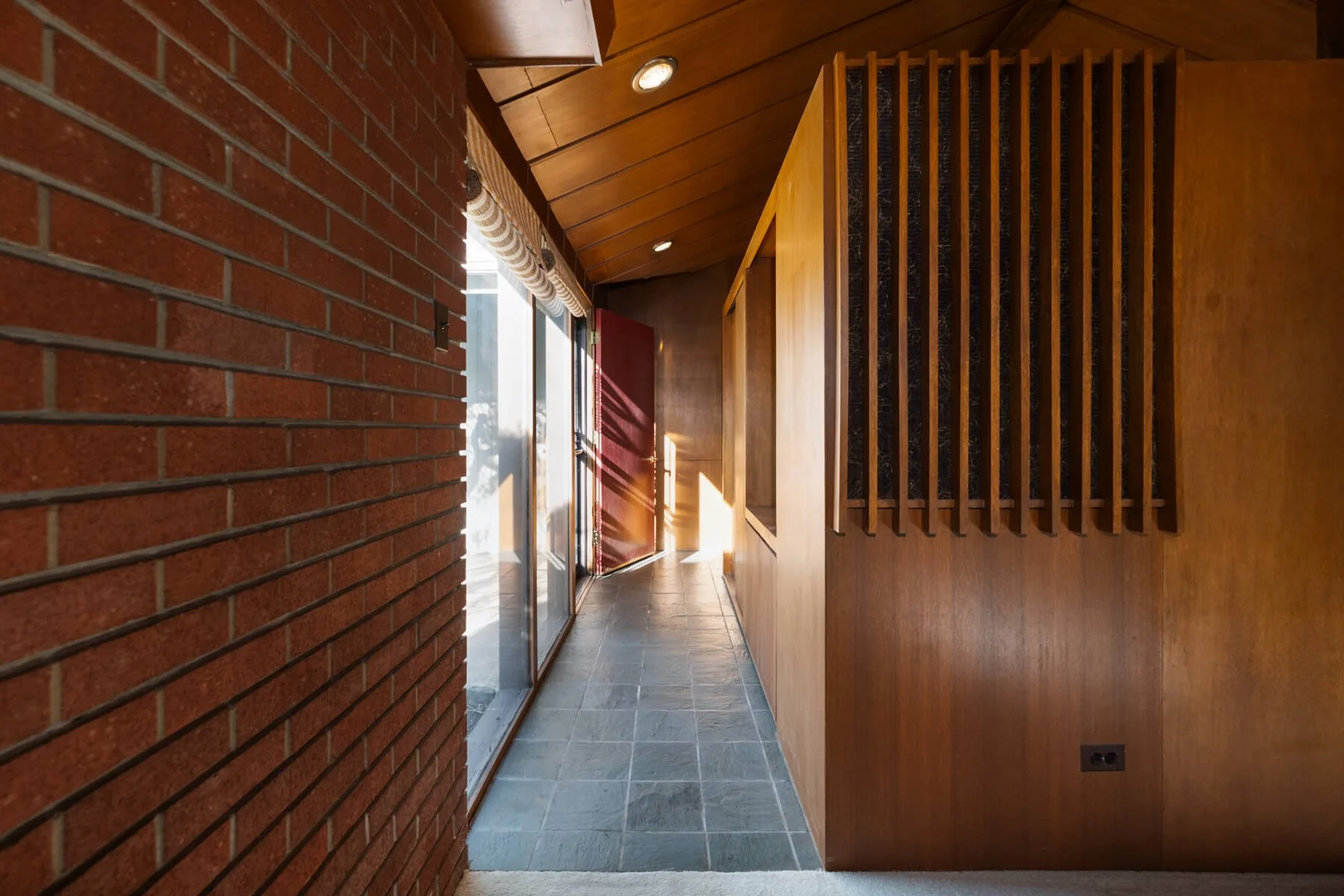
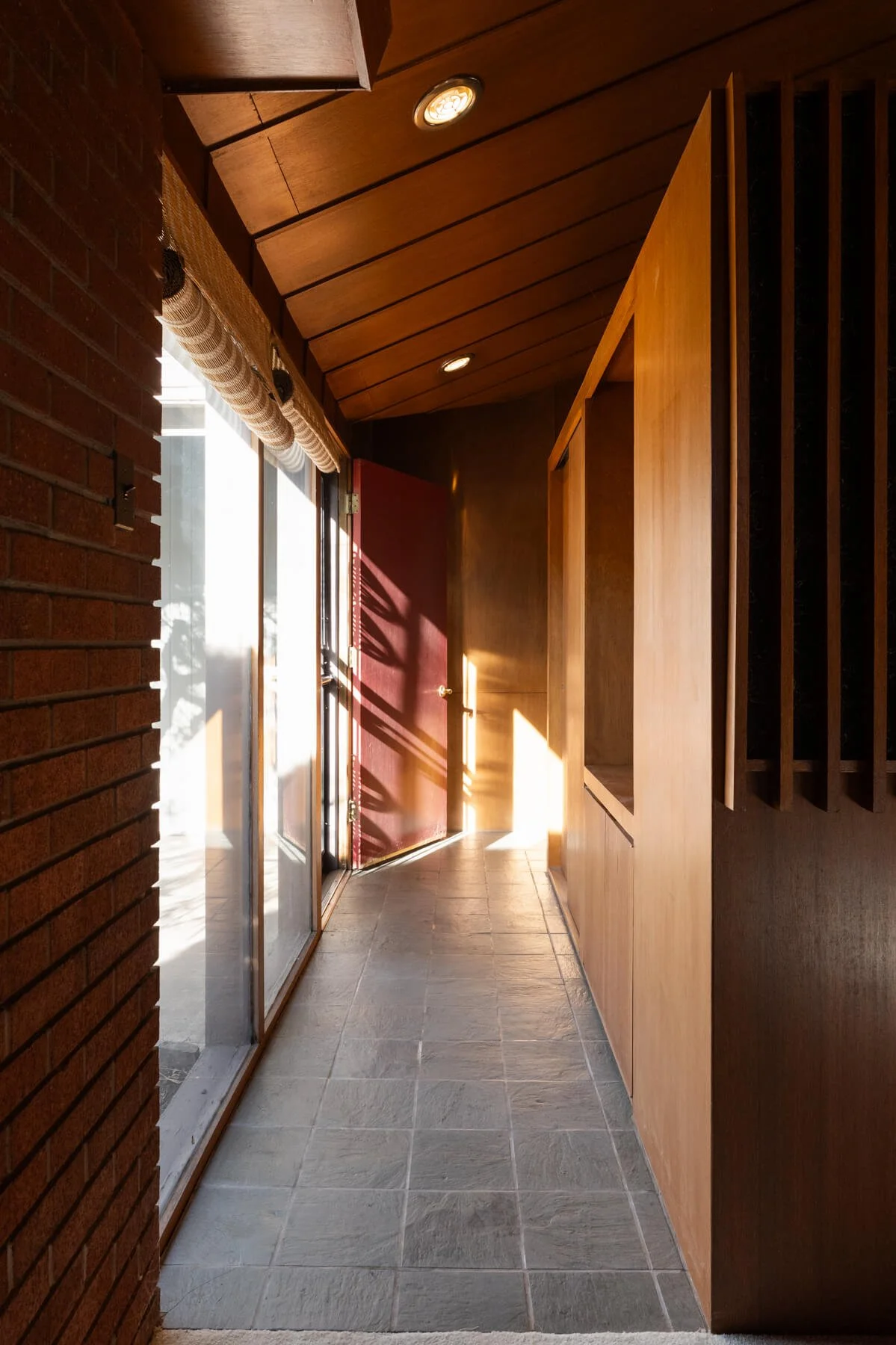
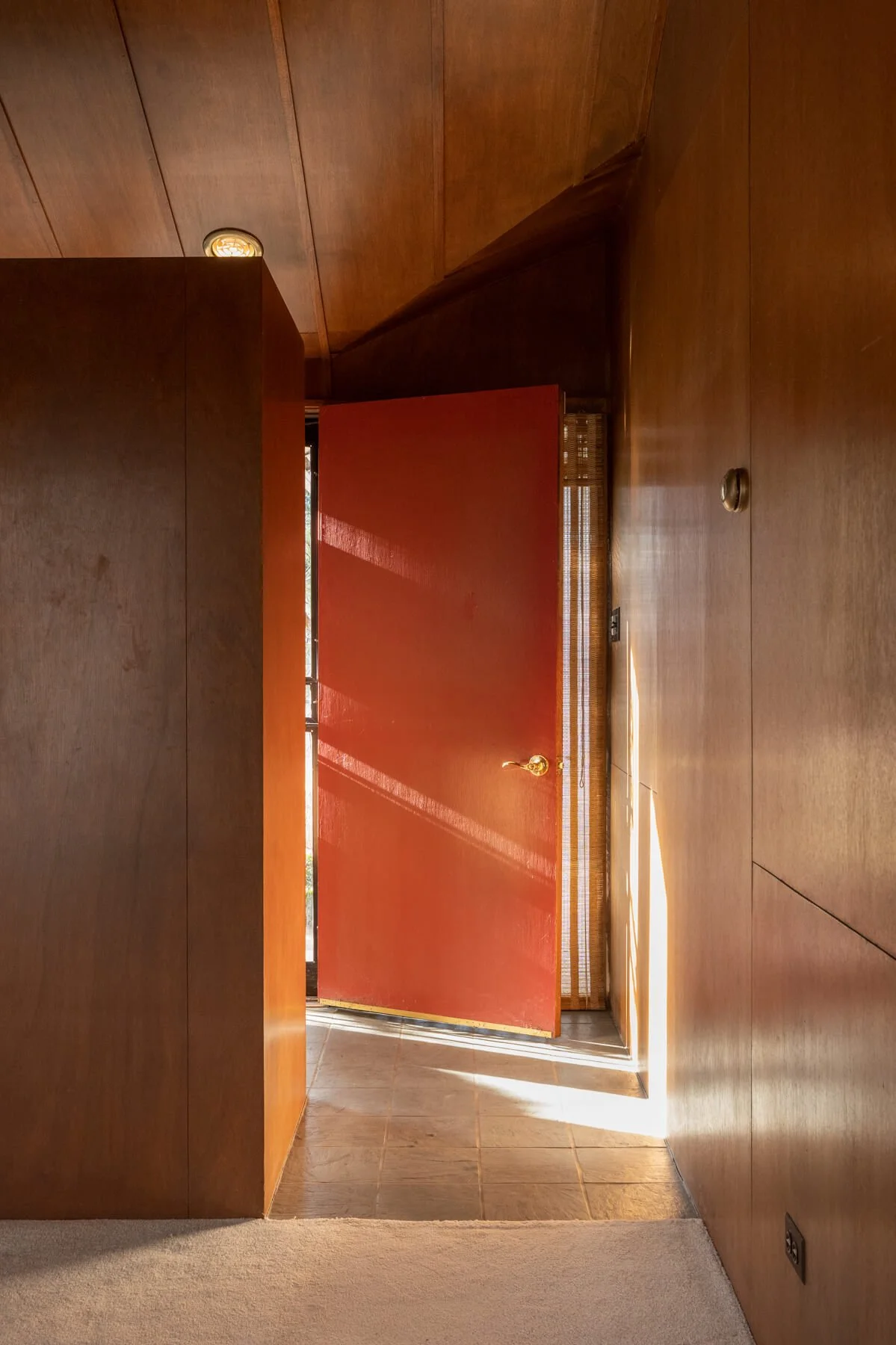
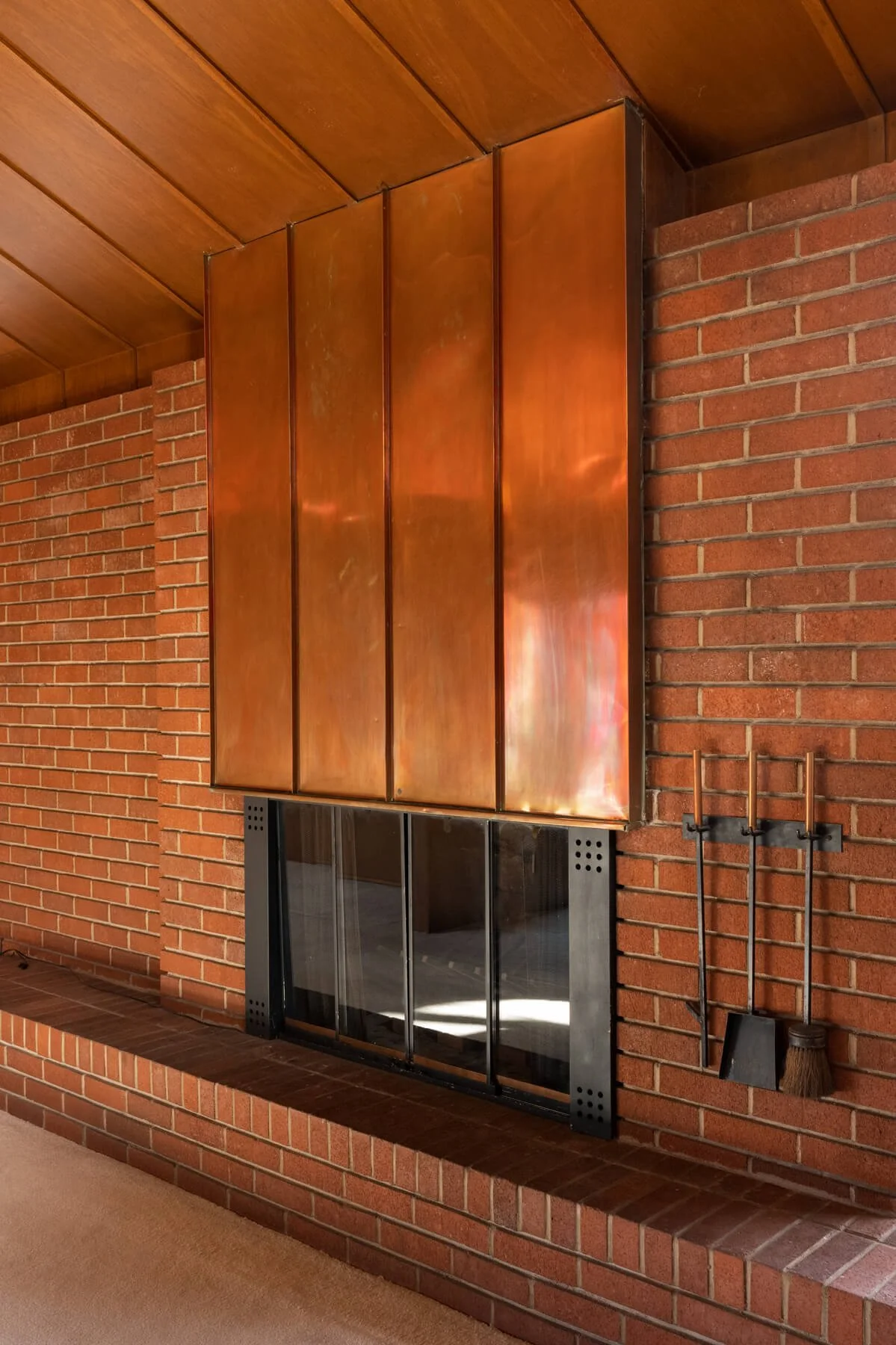
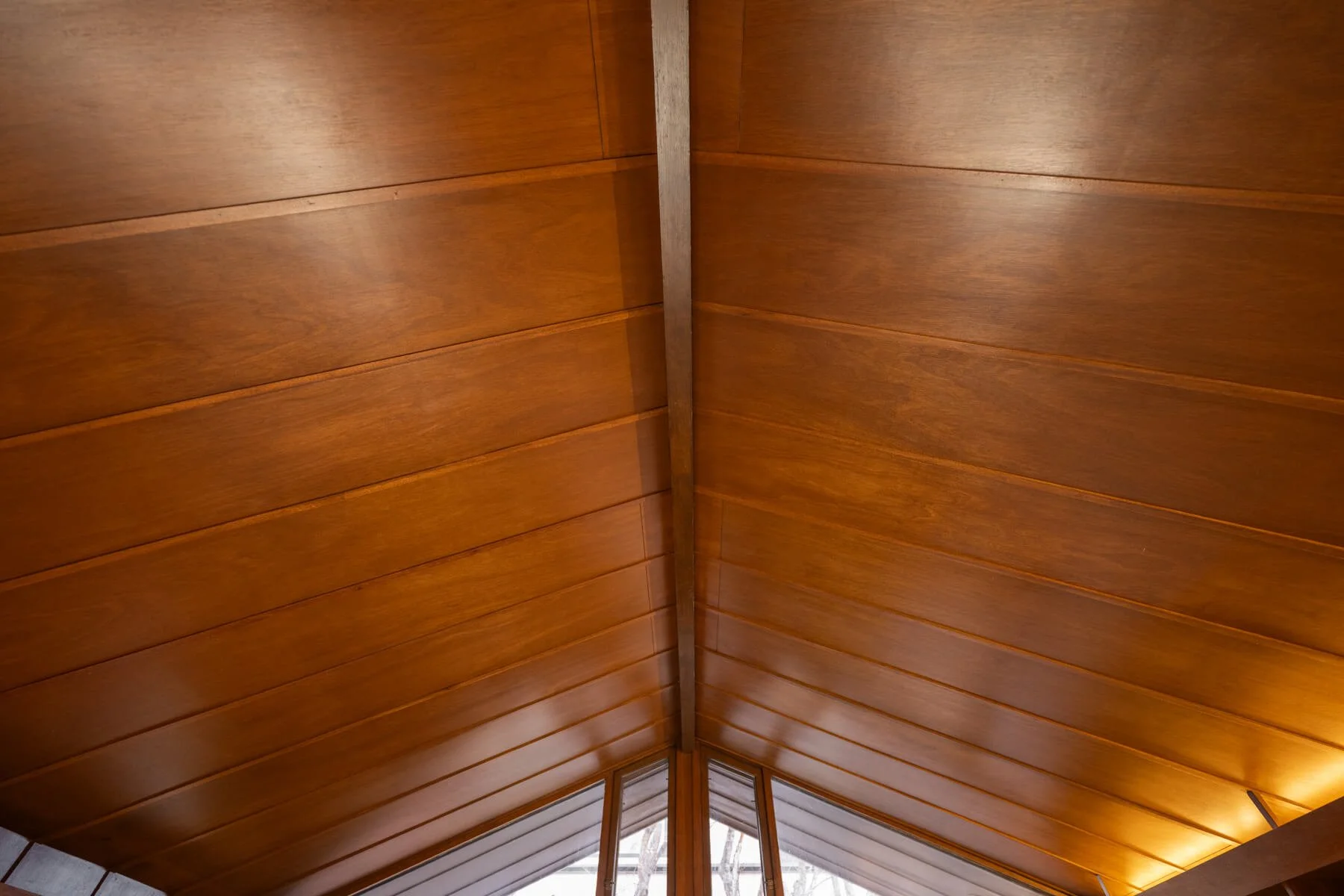
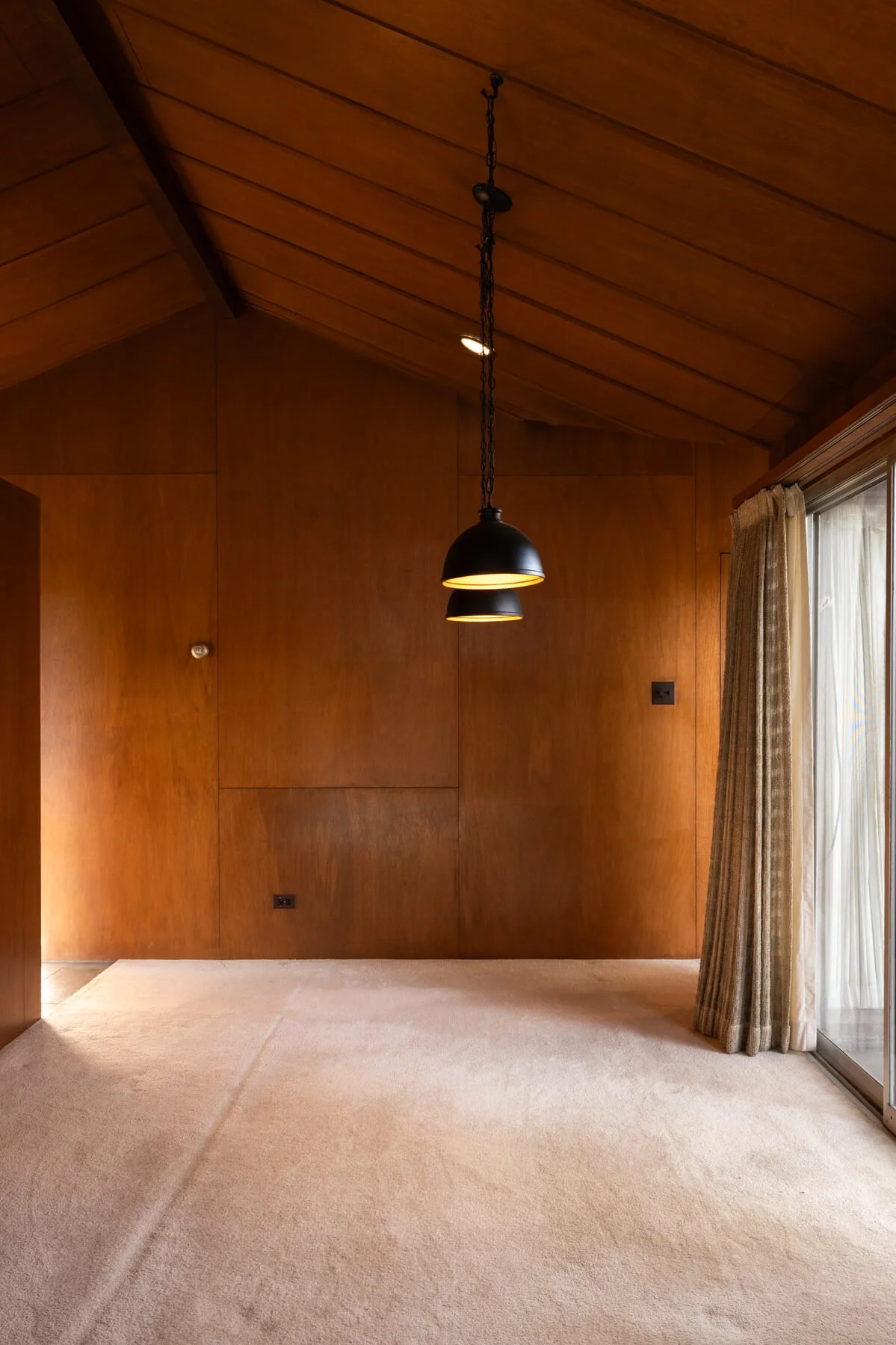
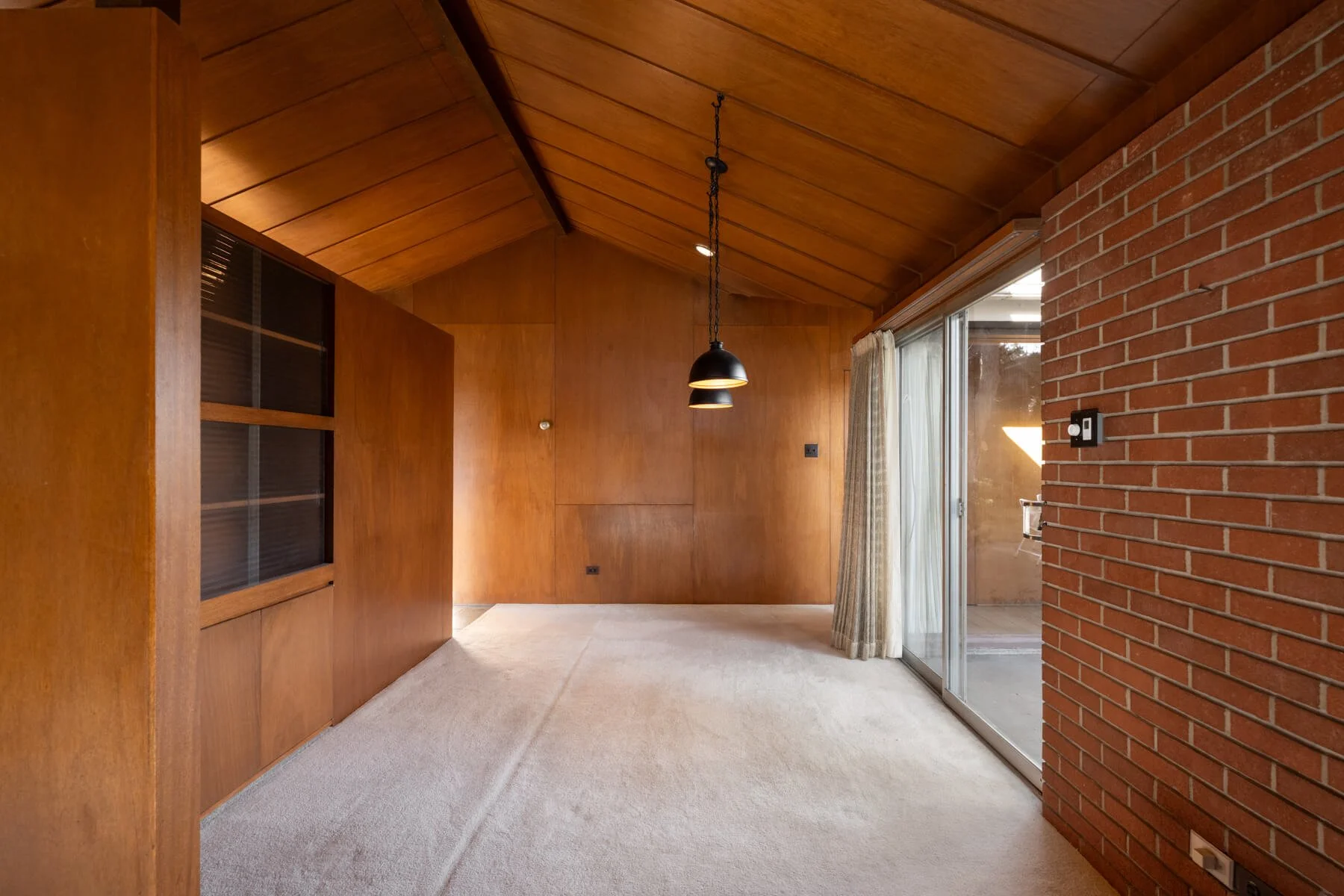
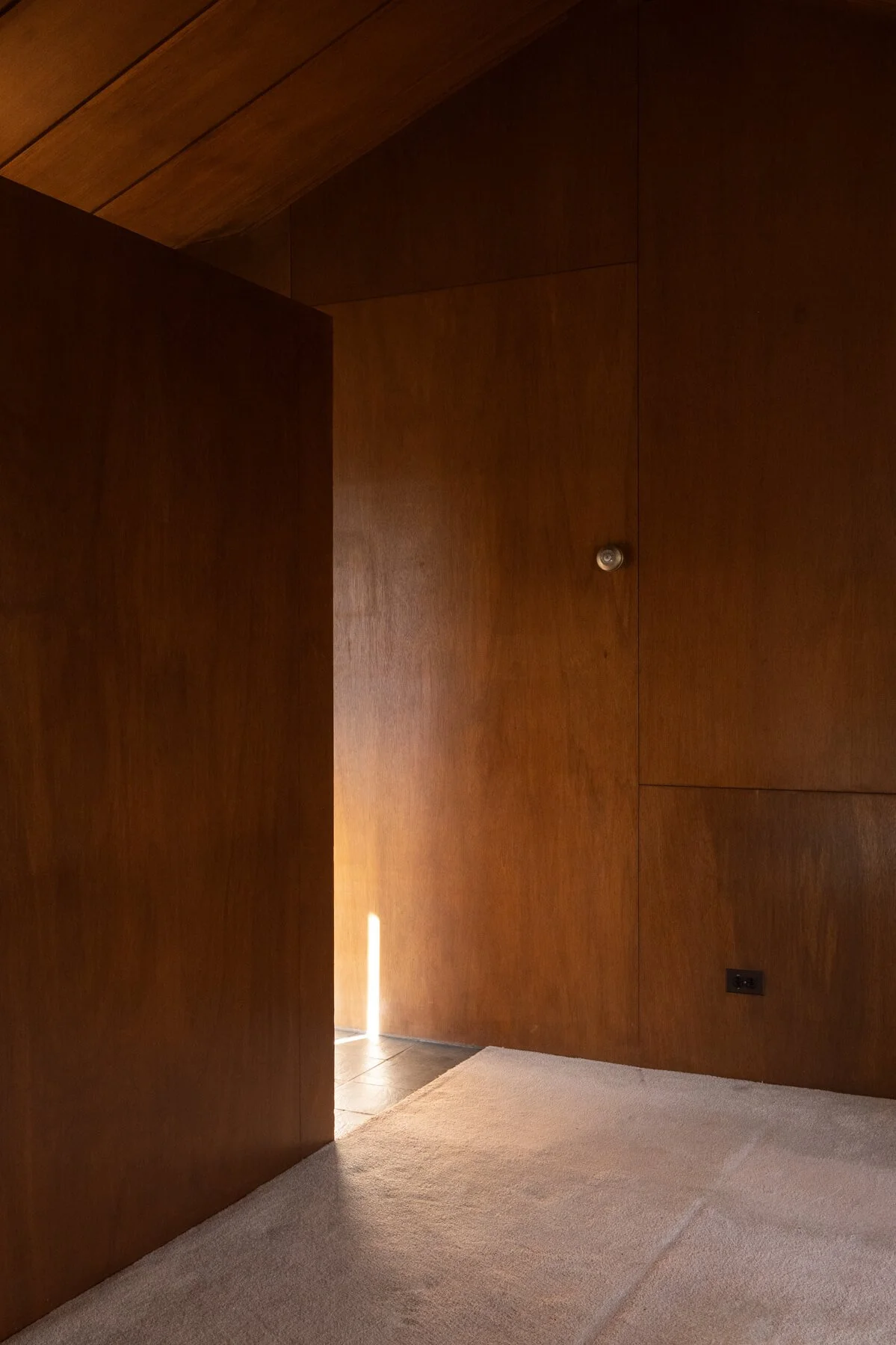
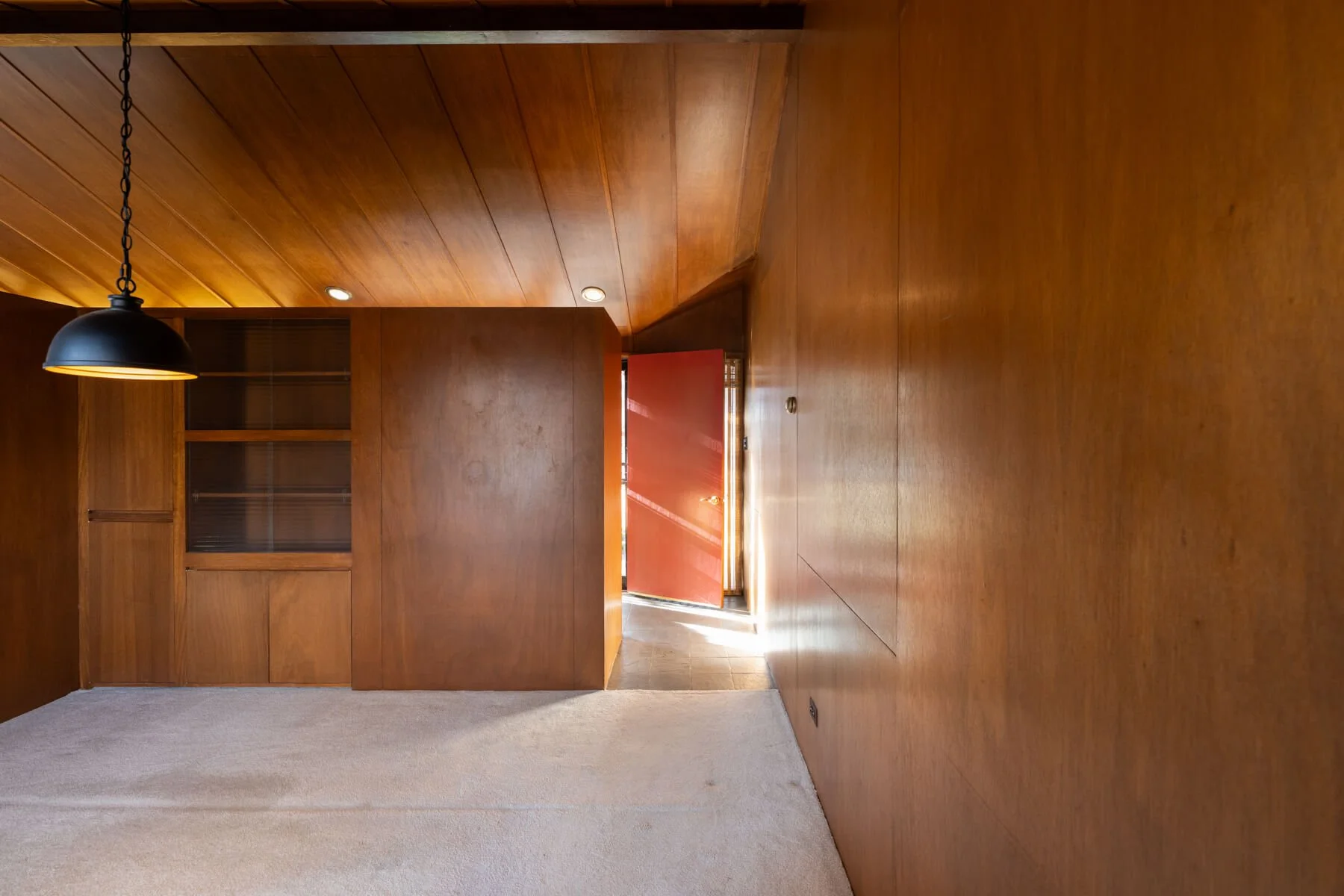
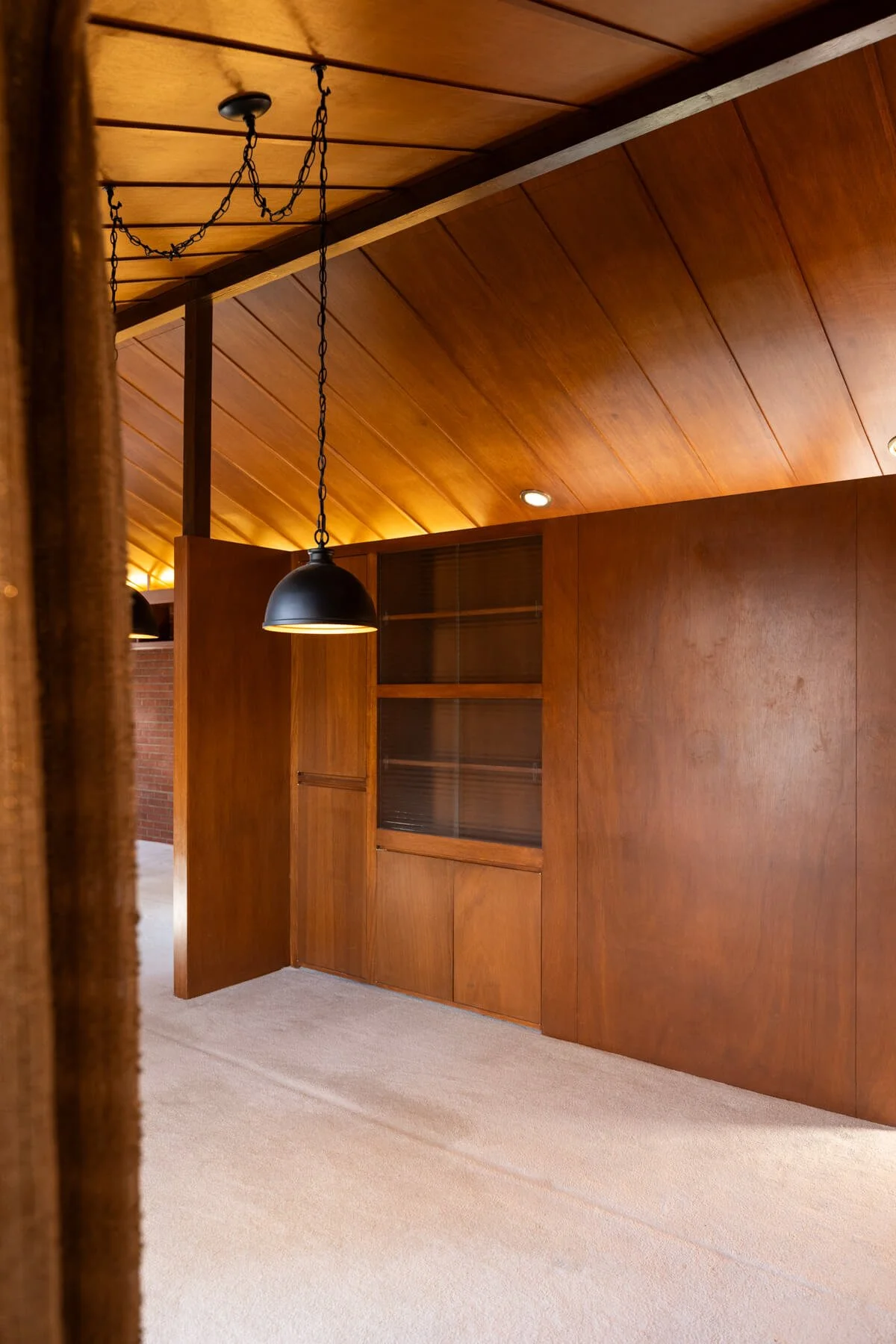
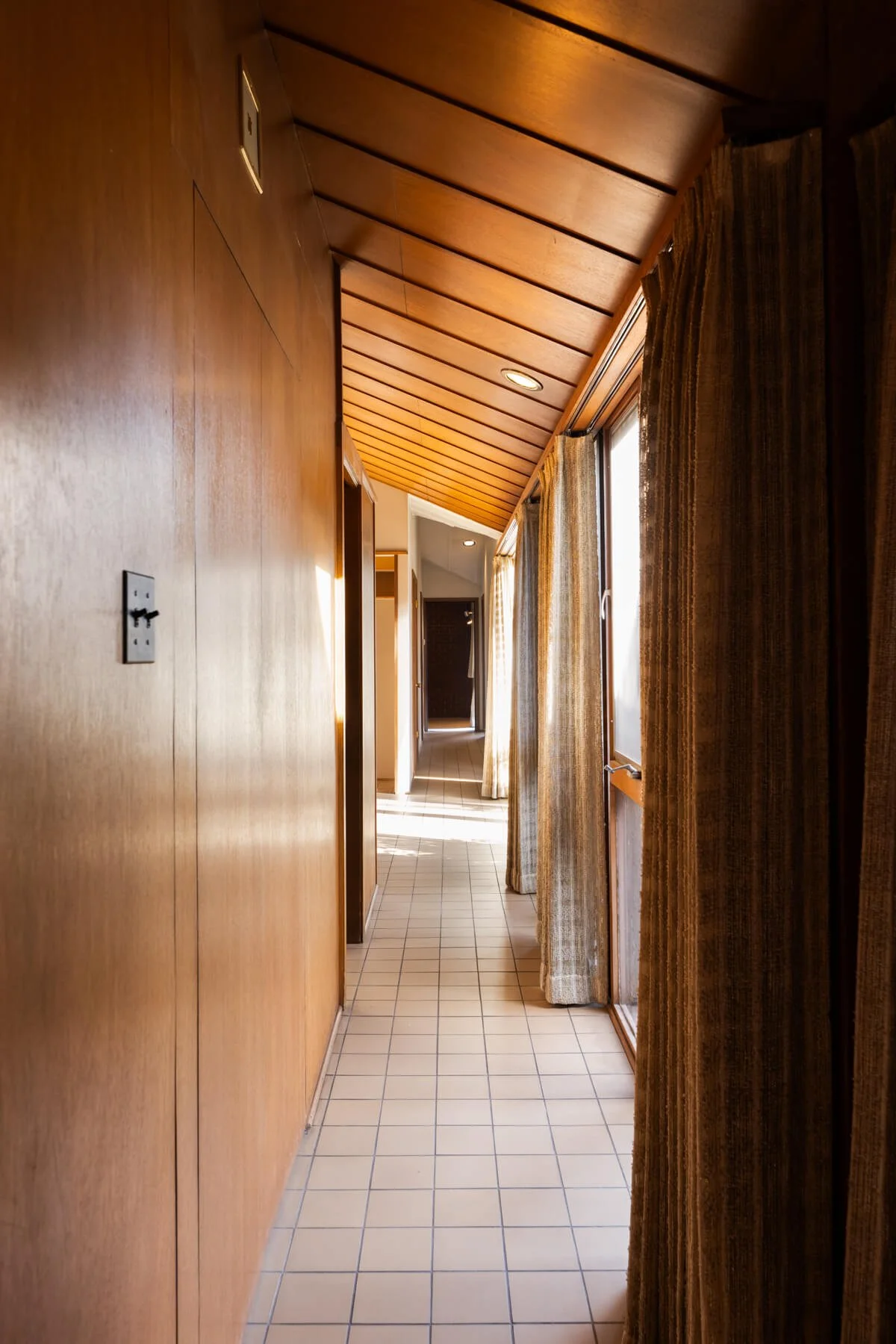
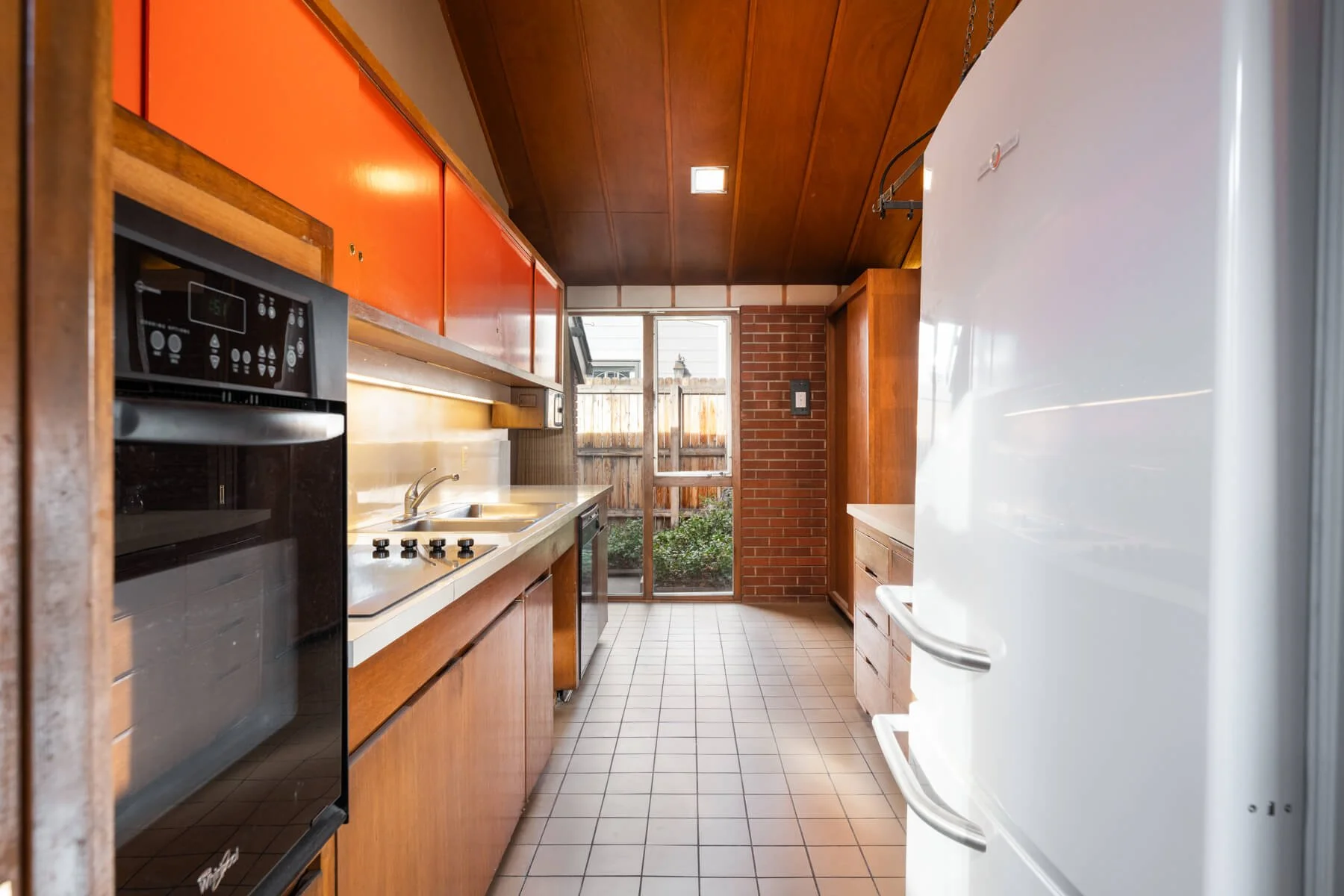
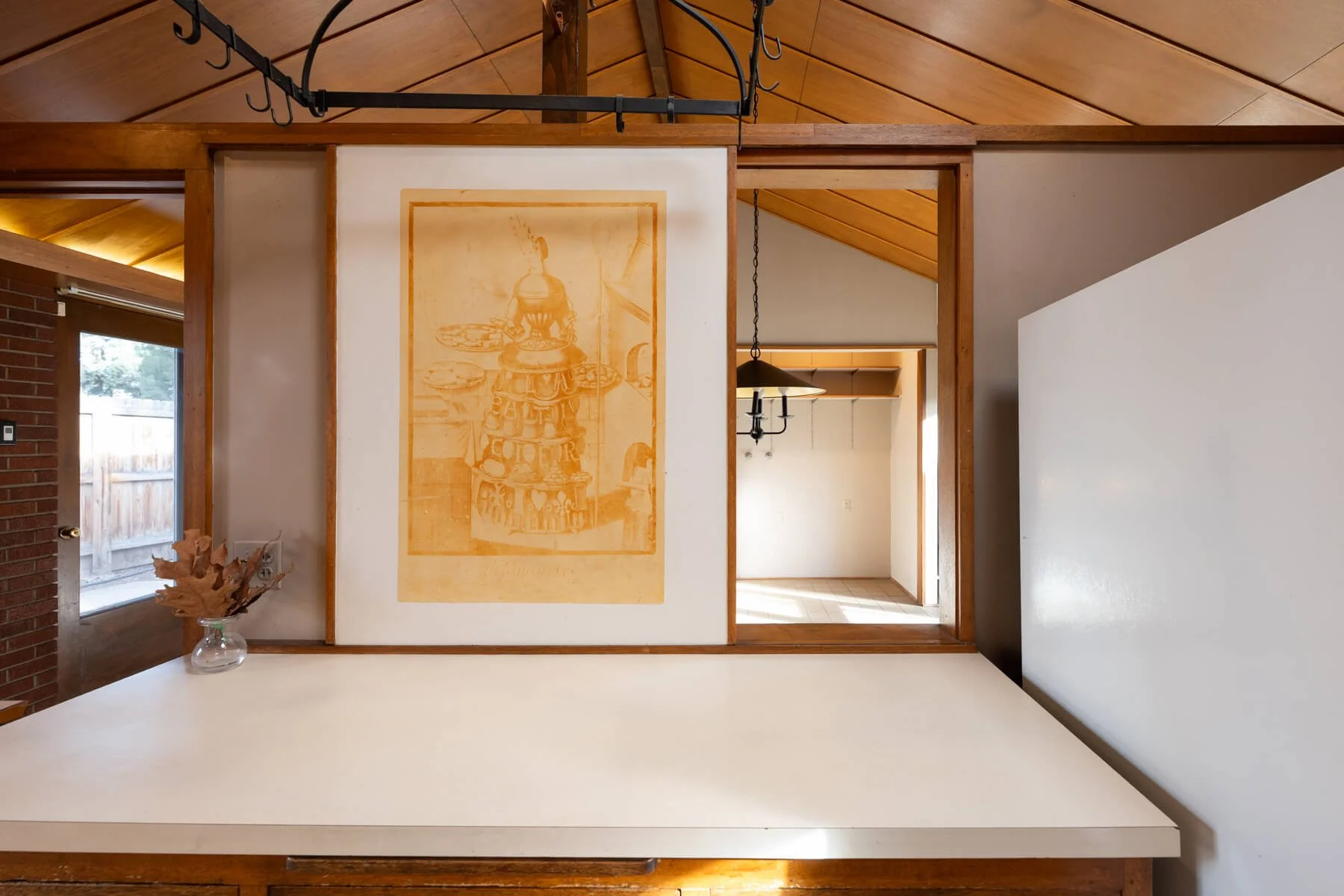
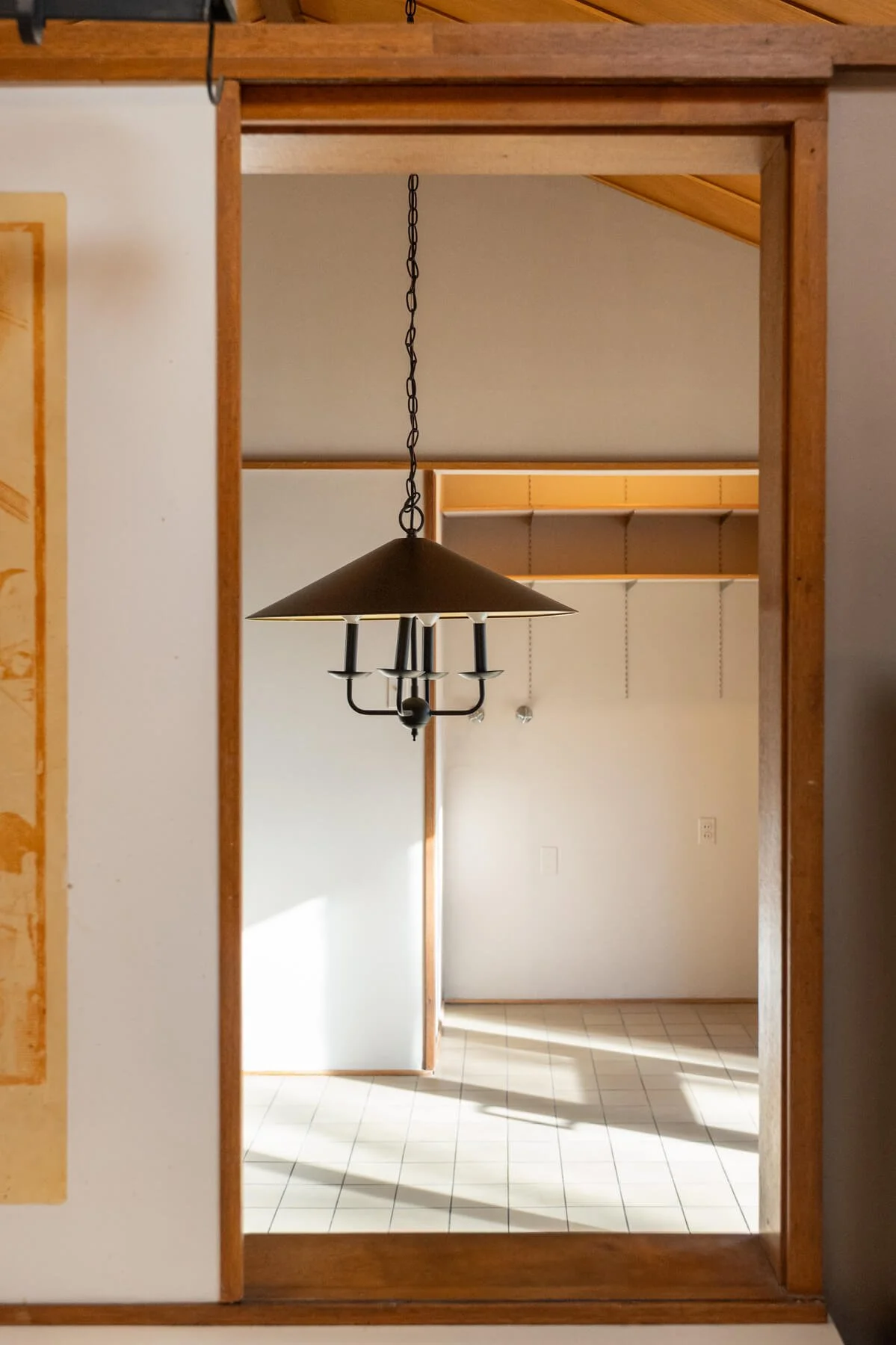
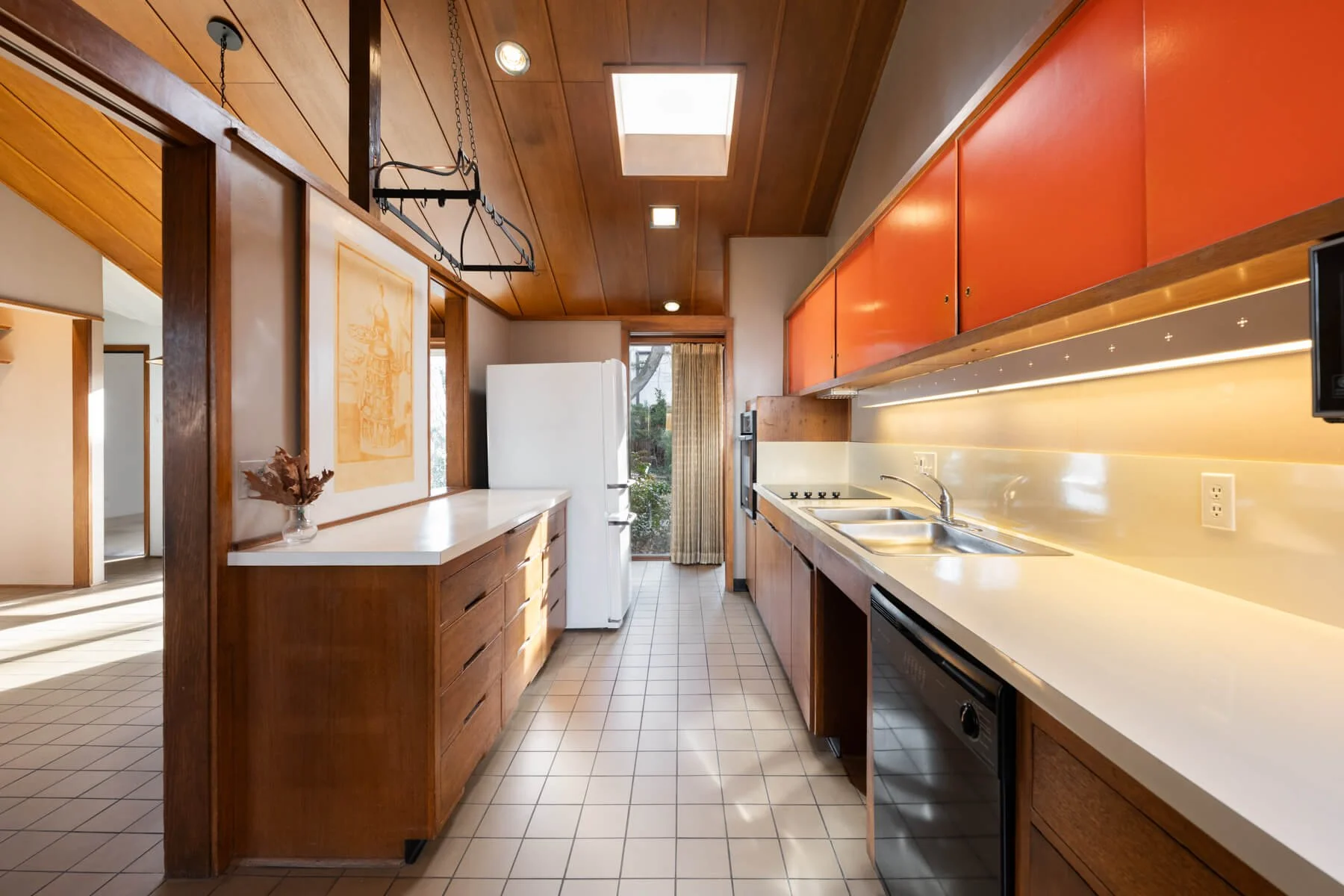
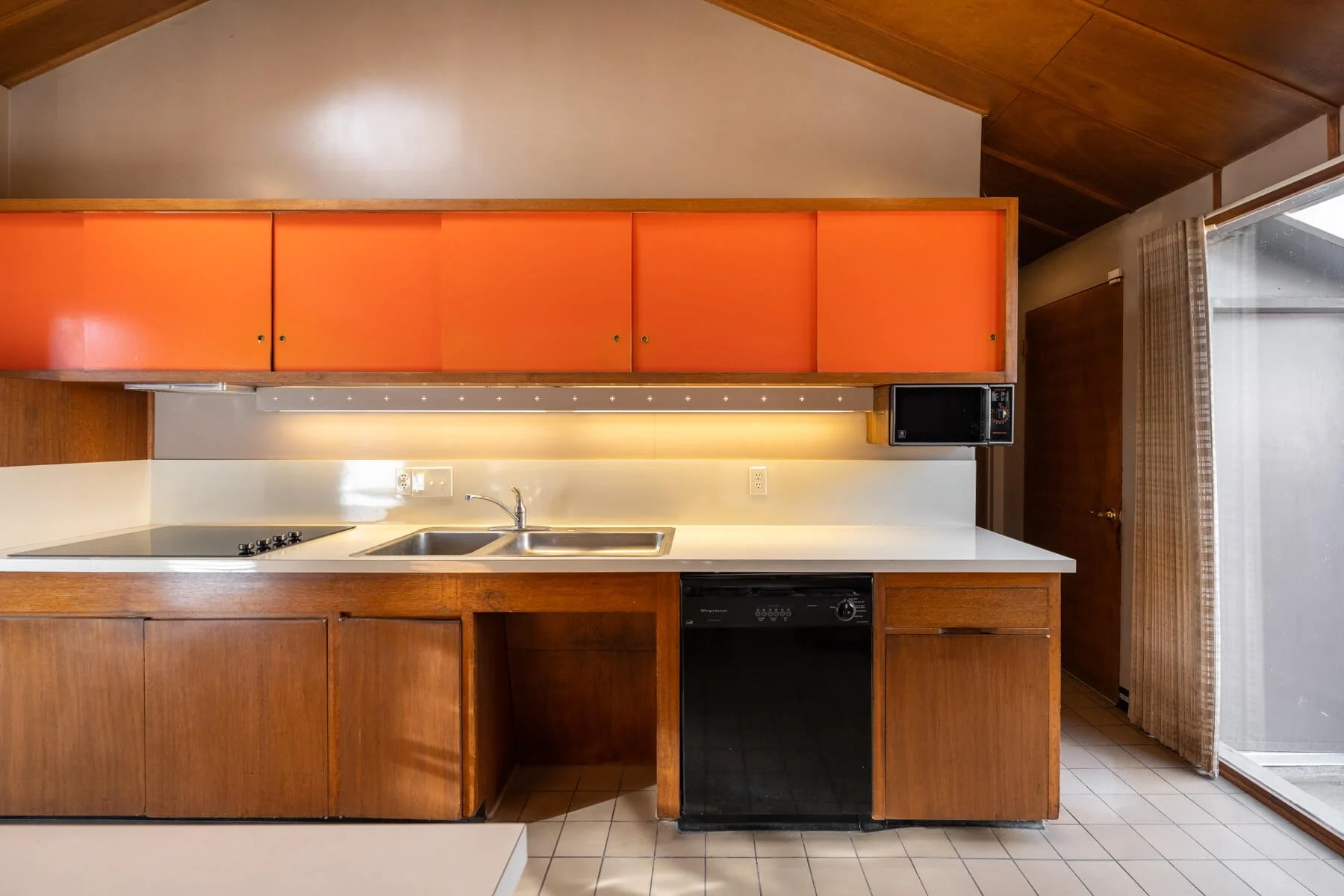
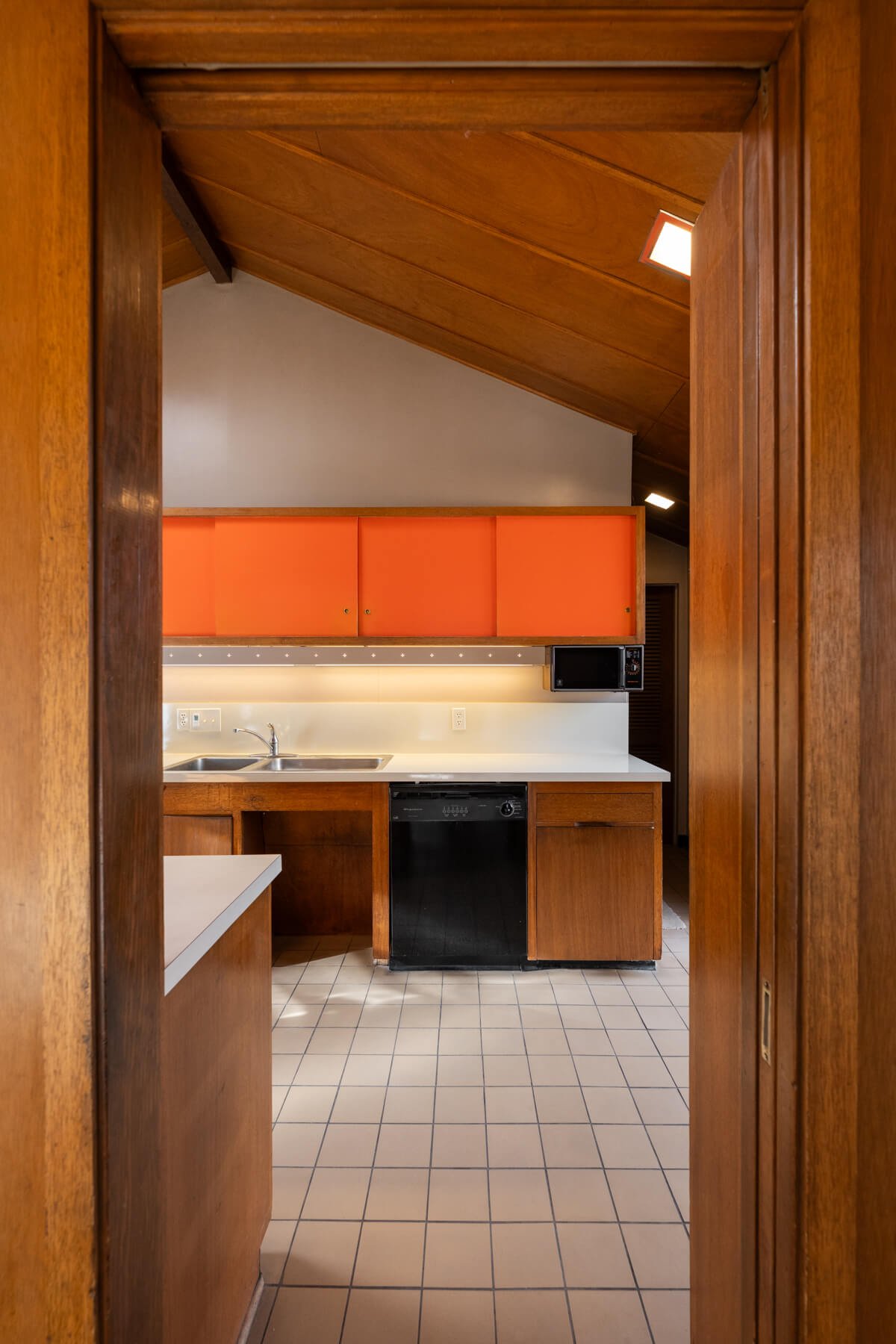
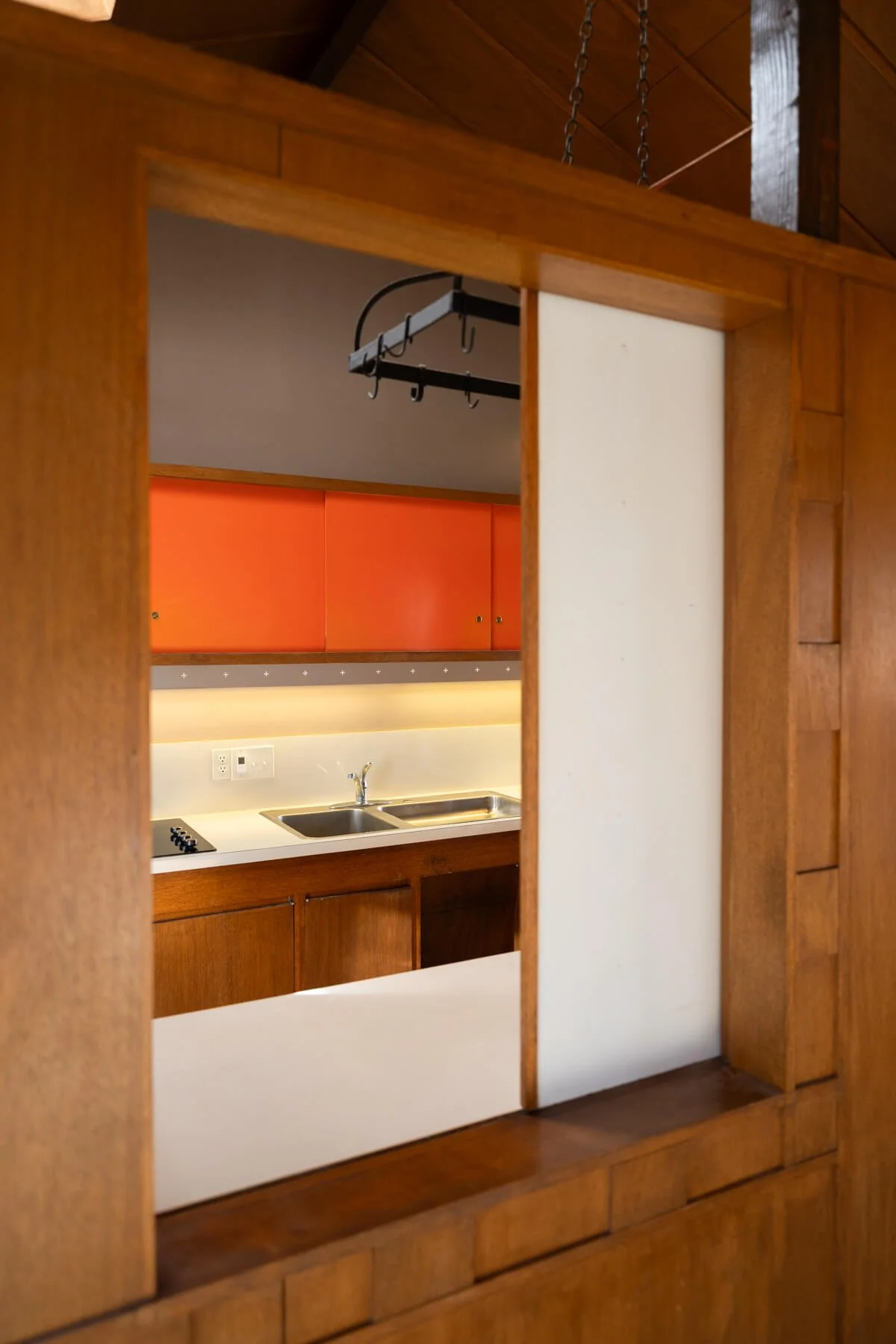
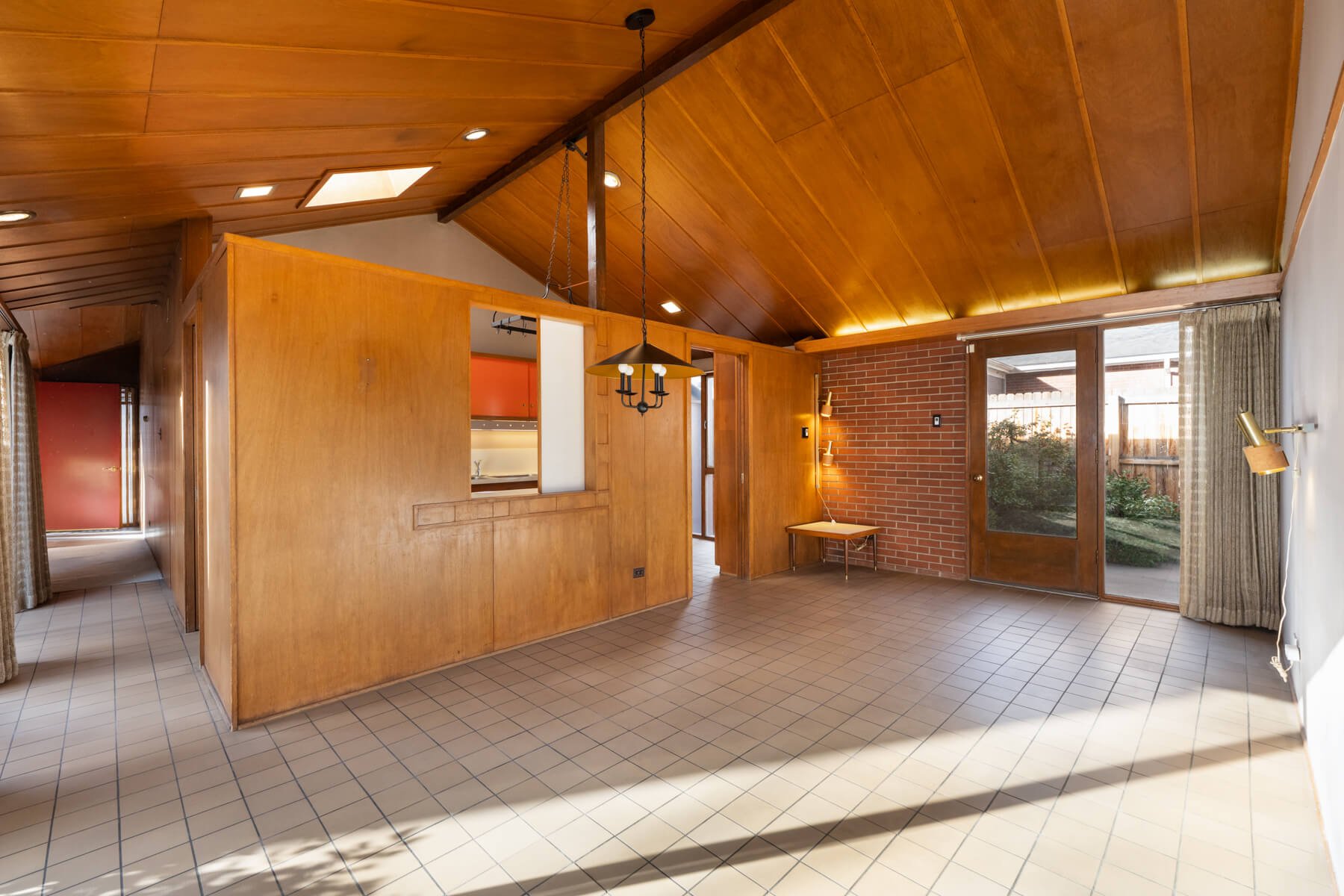
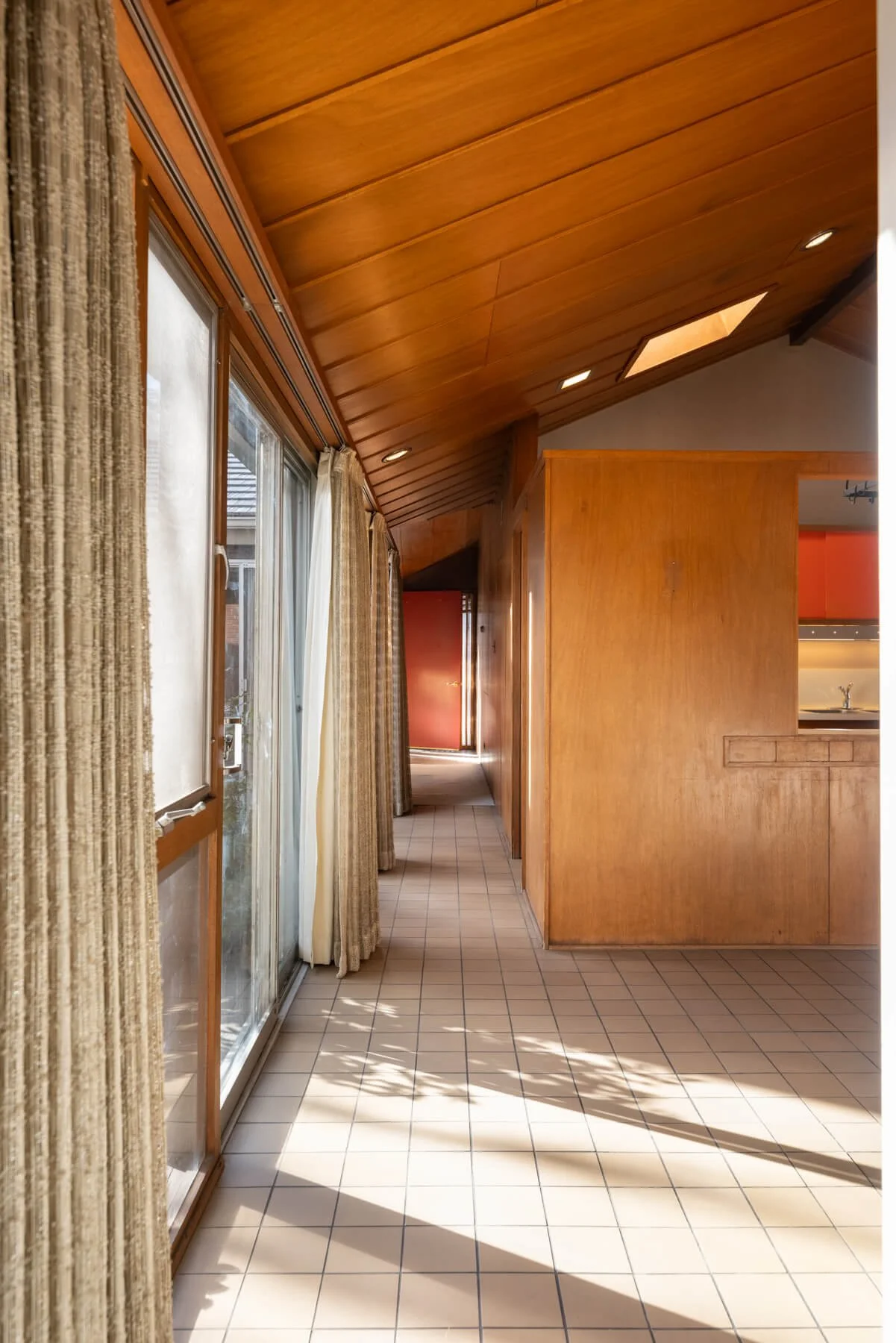
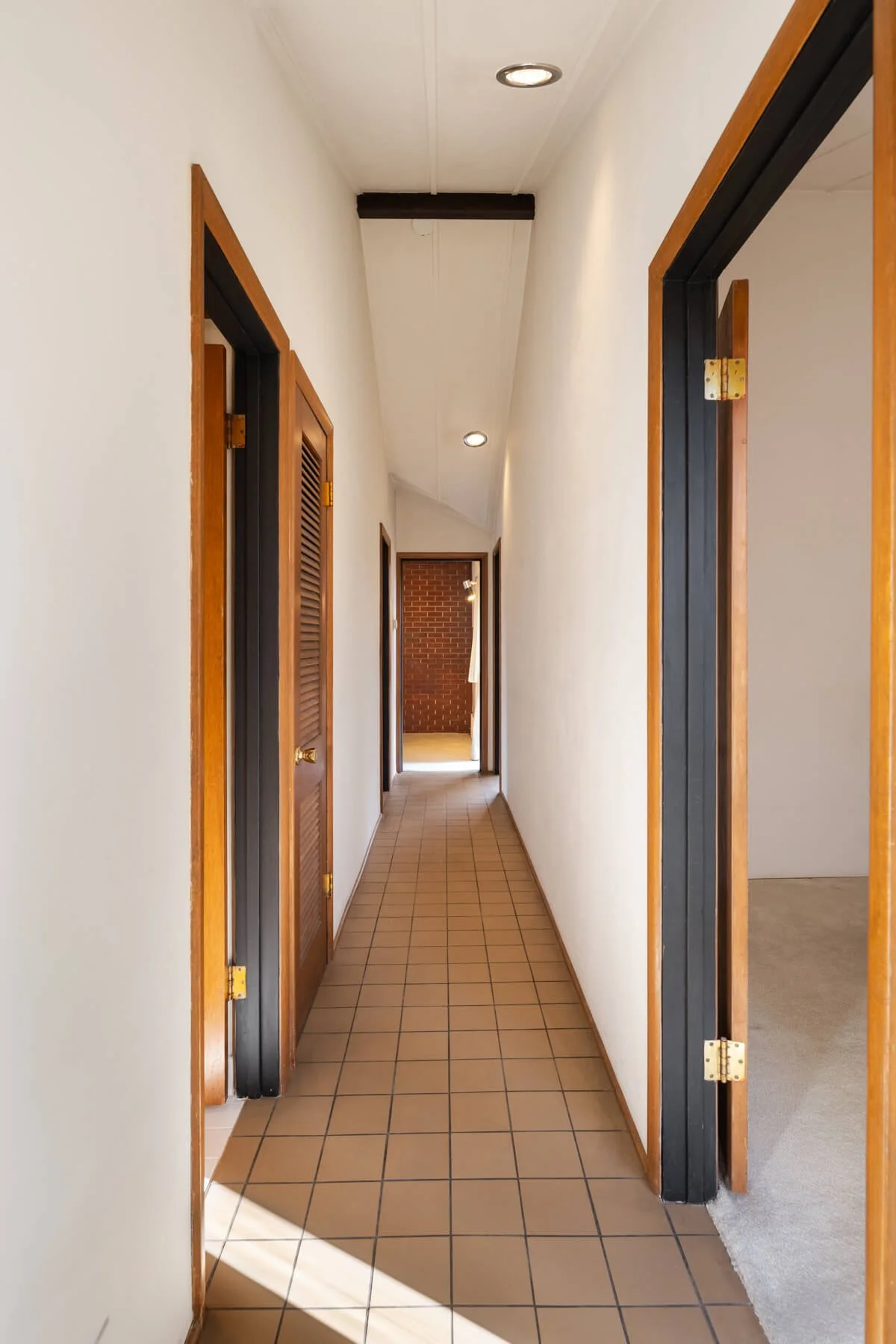
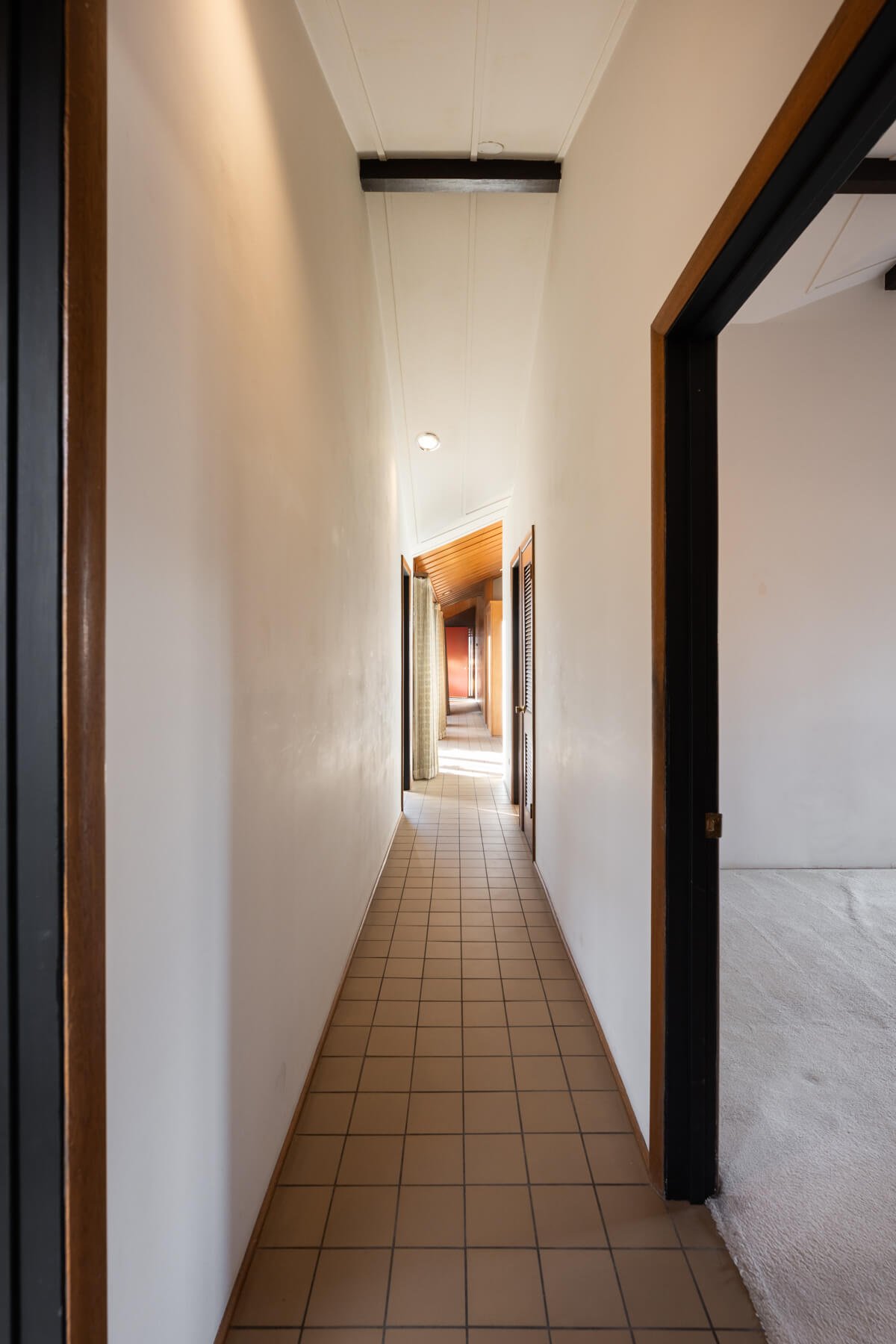
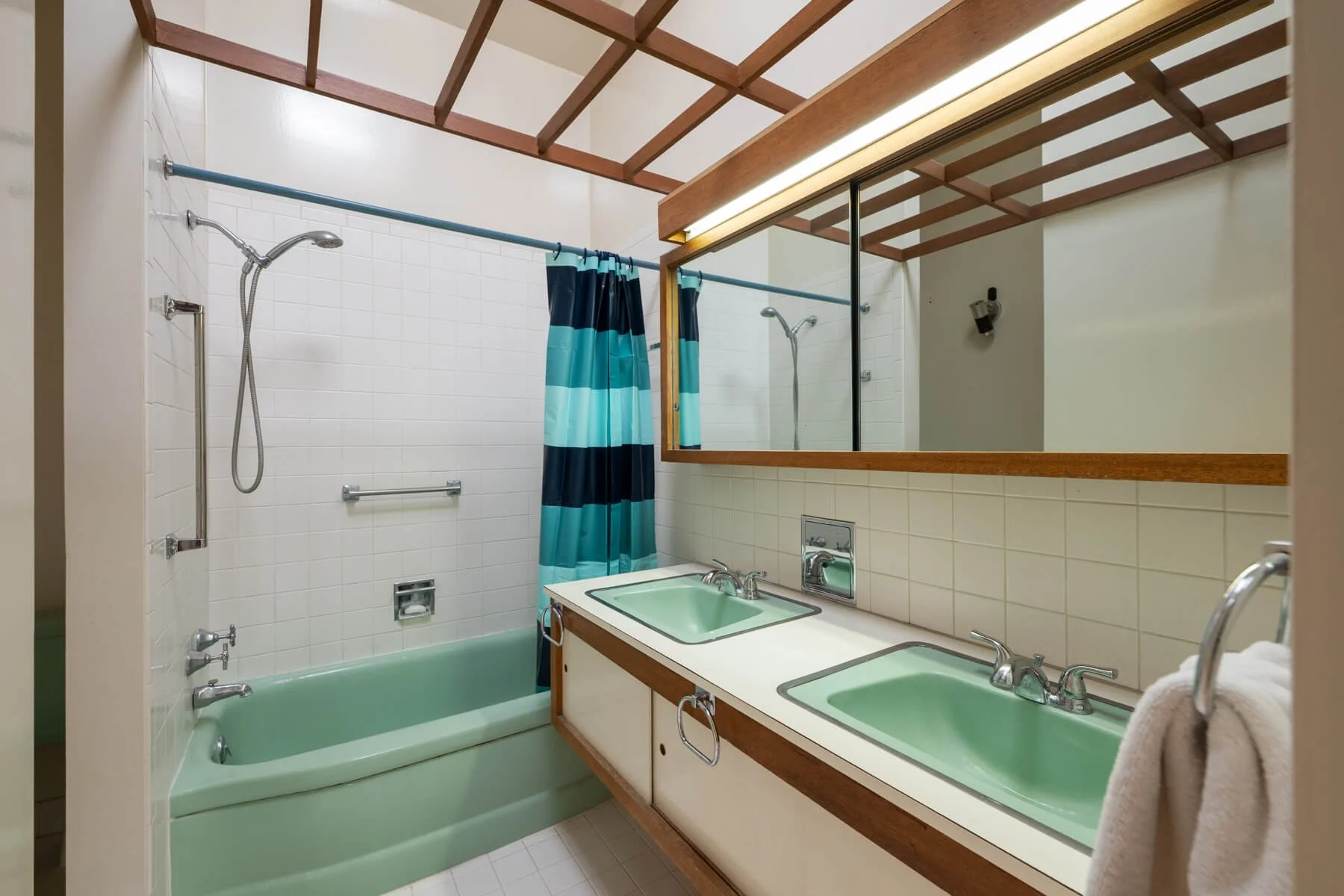
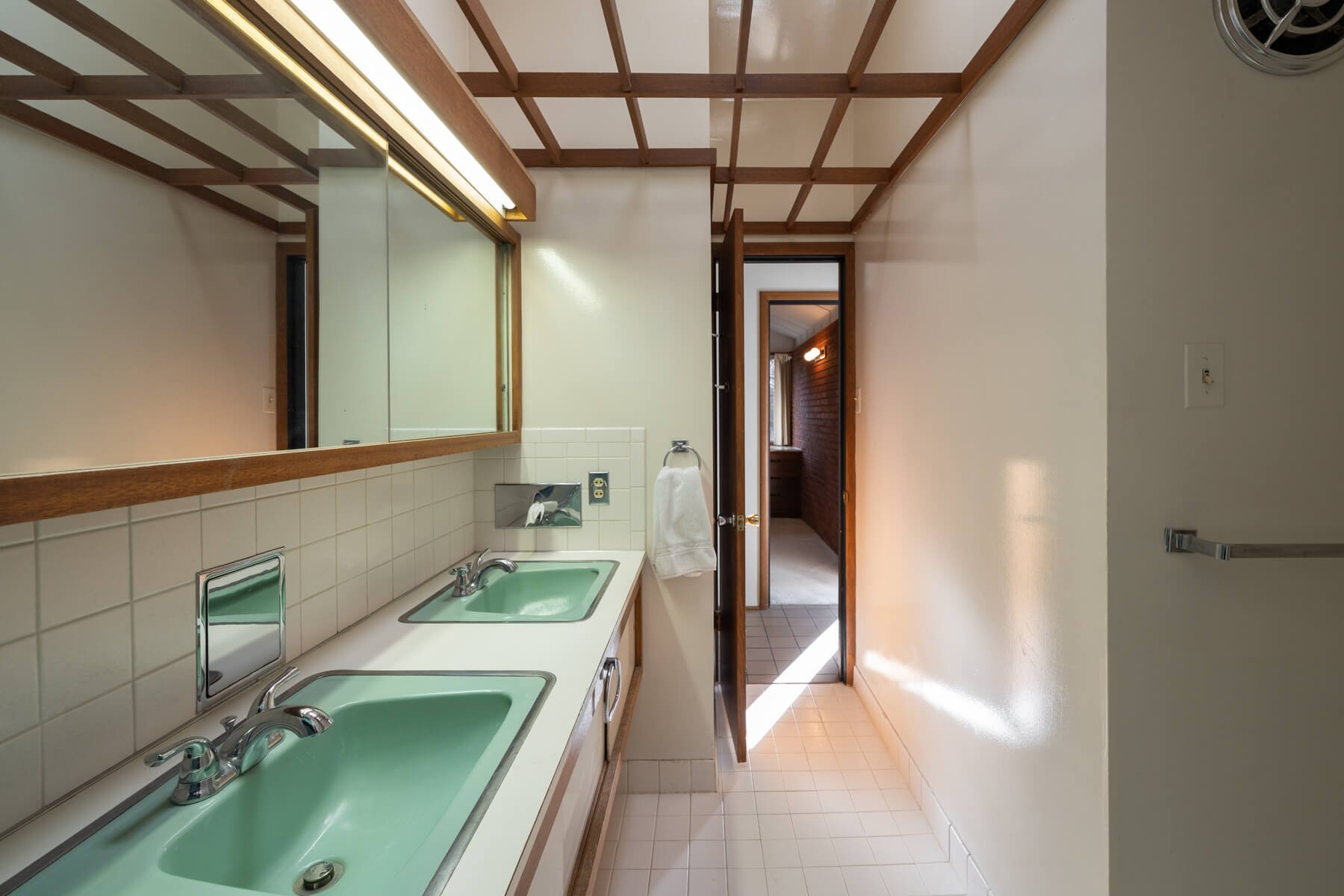
Including the wood paneled walls and ceilings, kitchen, and bathrooms. The main hallway of this home feels as if it goes on forever all while passing walls of glass, keeping the occupants connected with the outside world-true to the theories of modernism. Perfect vignette window placements in each room bring in ample natural light, and once again bring the outdoors into every room of this masterpiece home. A common bathroom in the hallway has the drama of height enhanced by the wood grid that draws ones eye up.
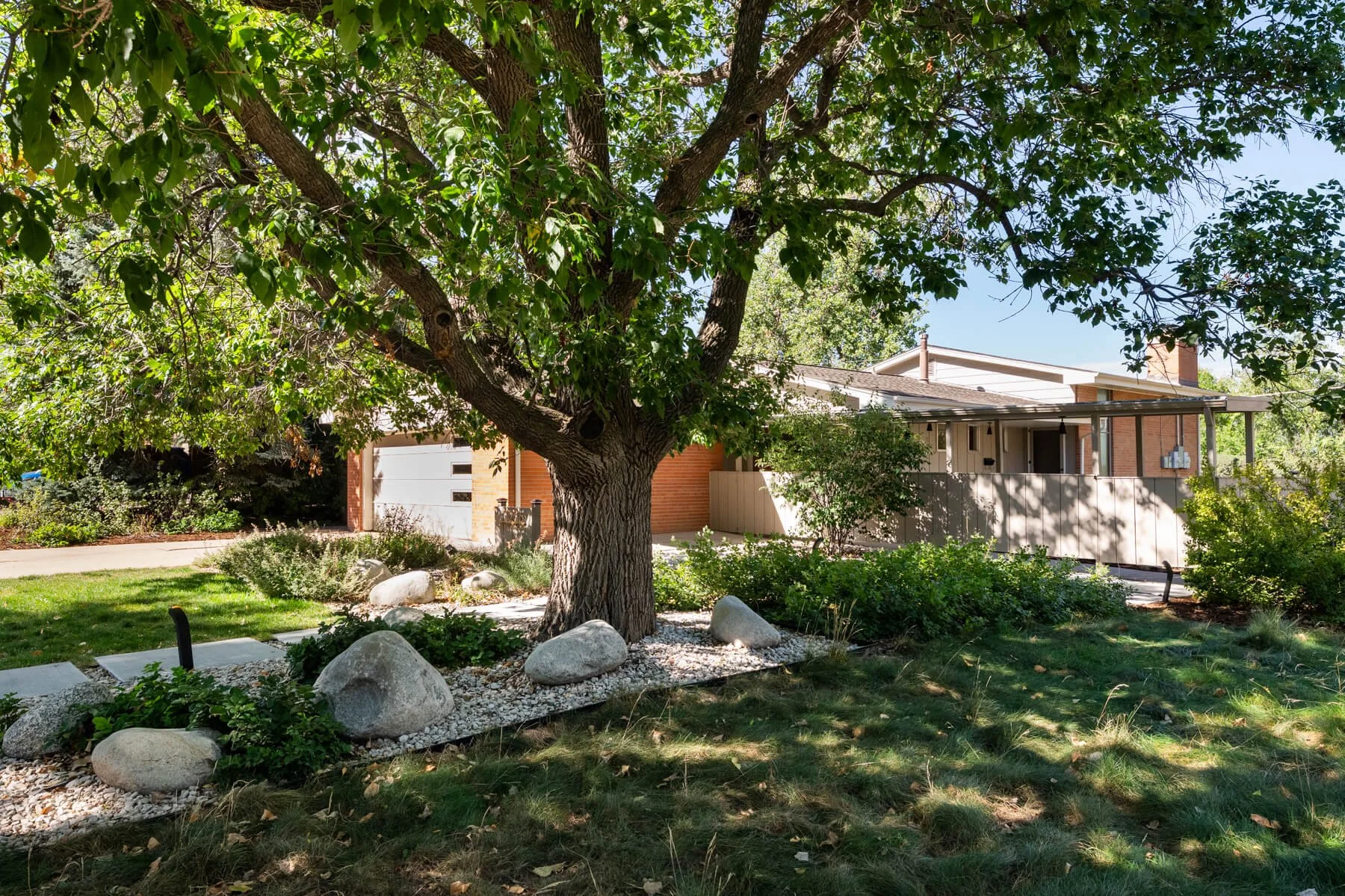
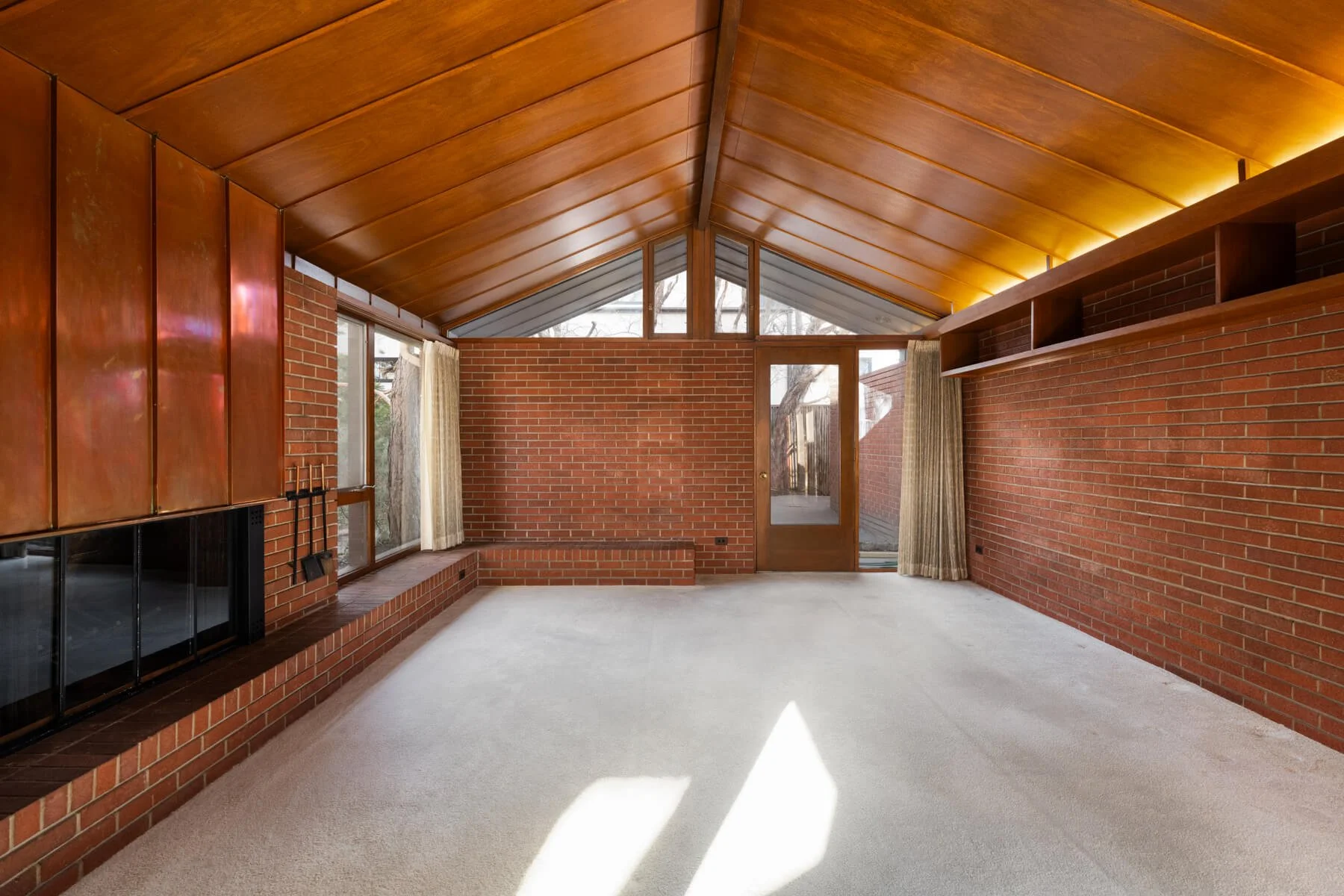
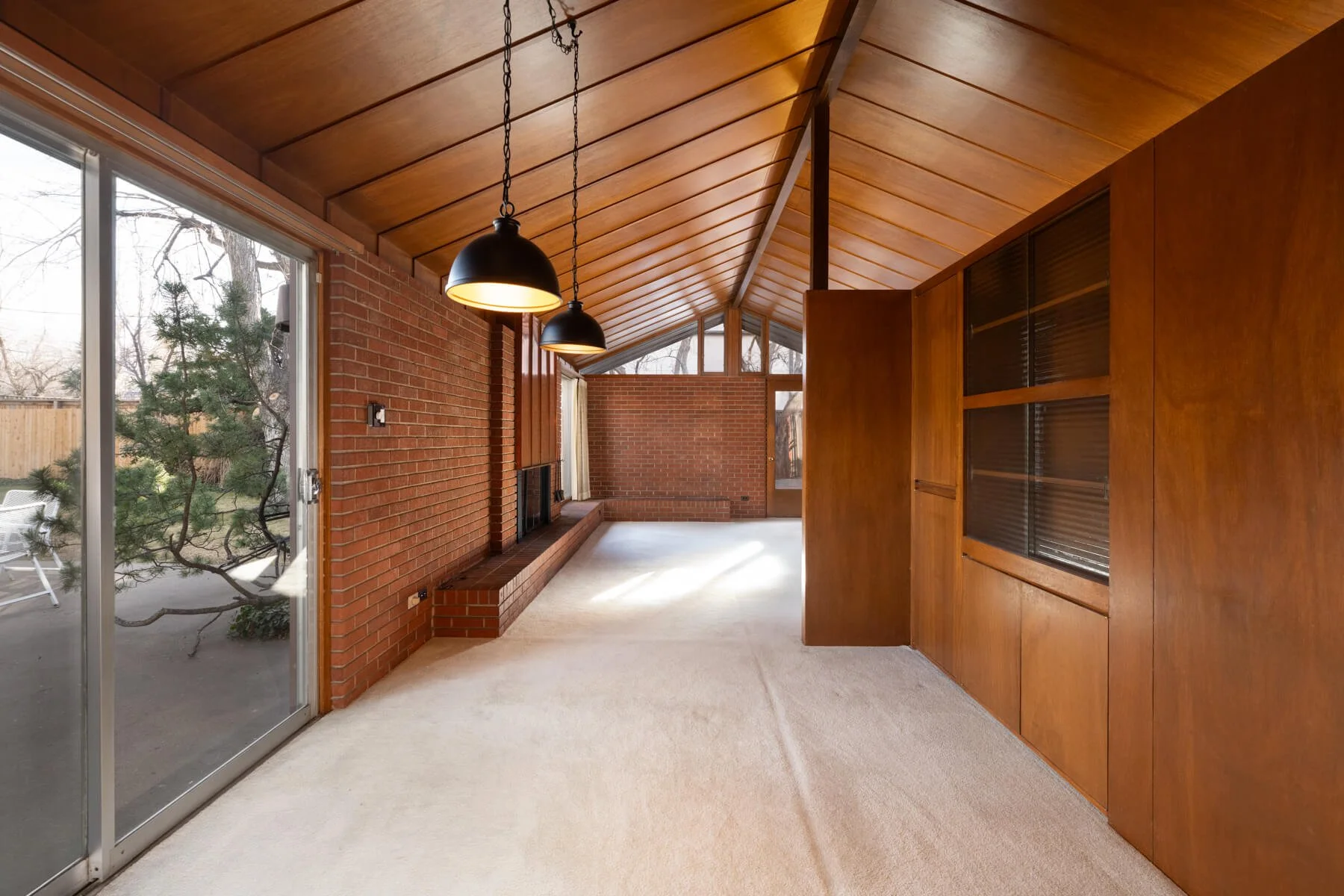
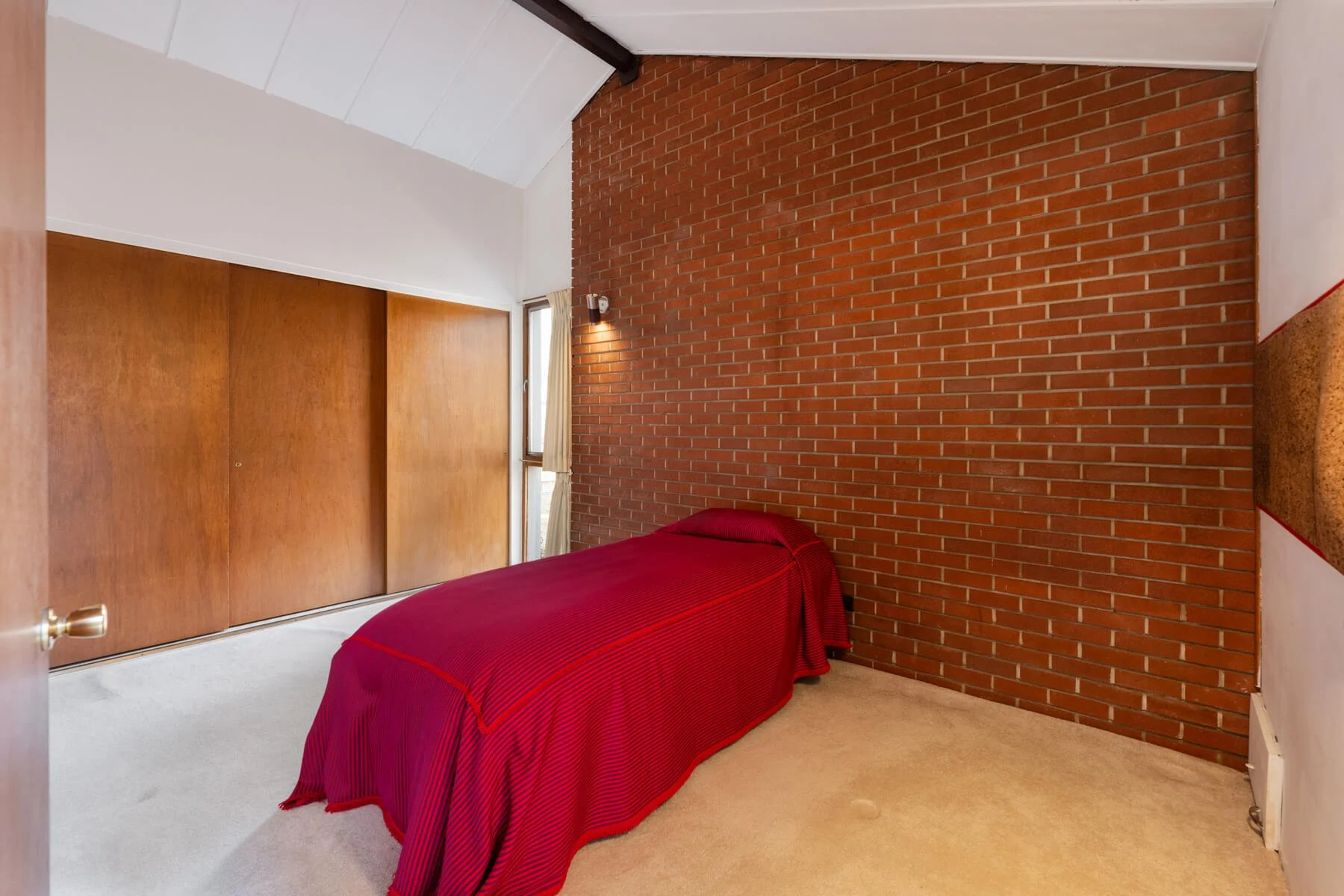
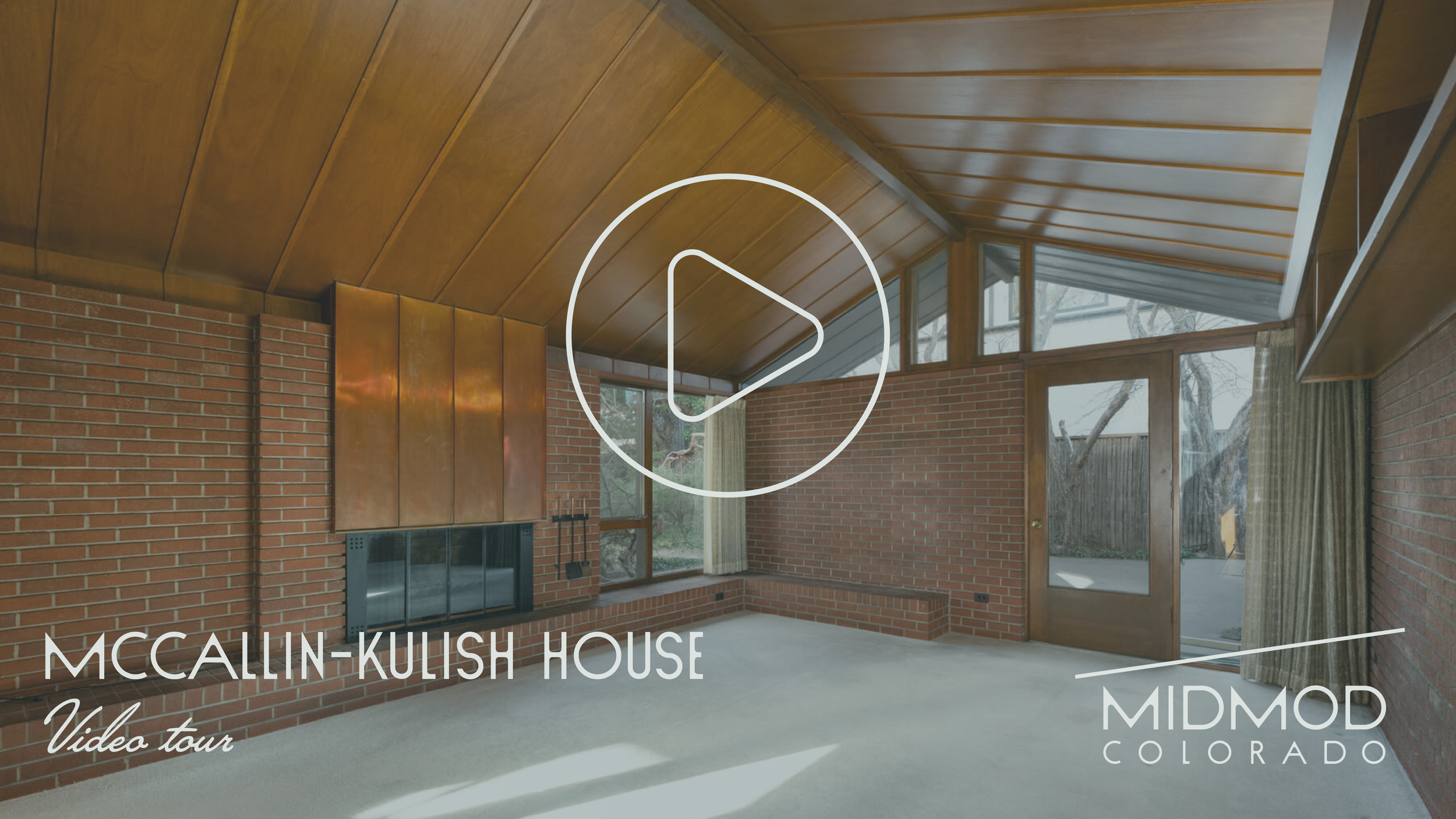
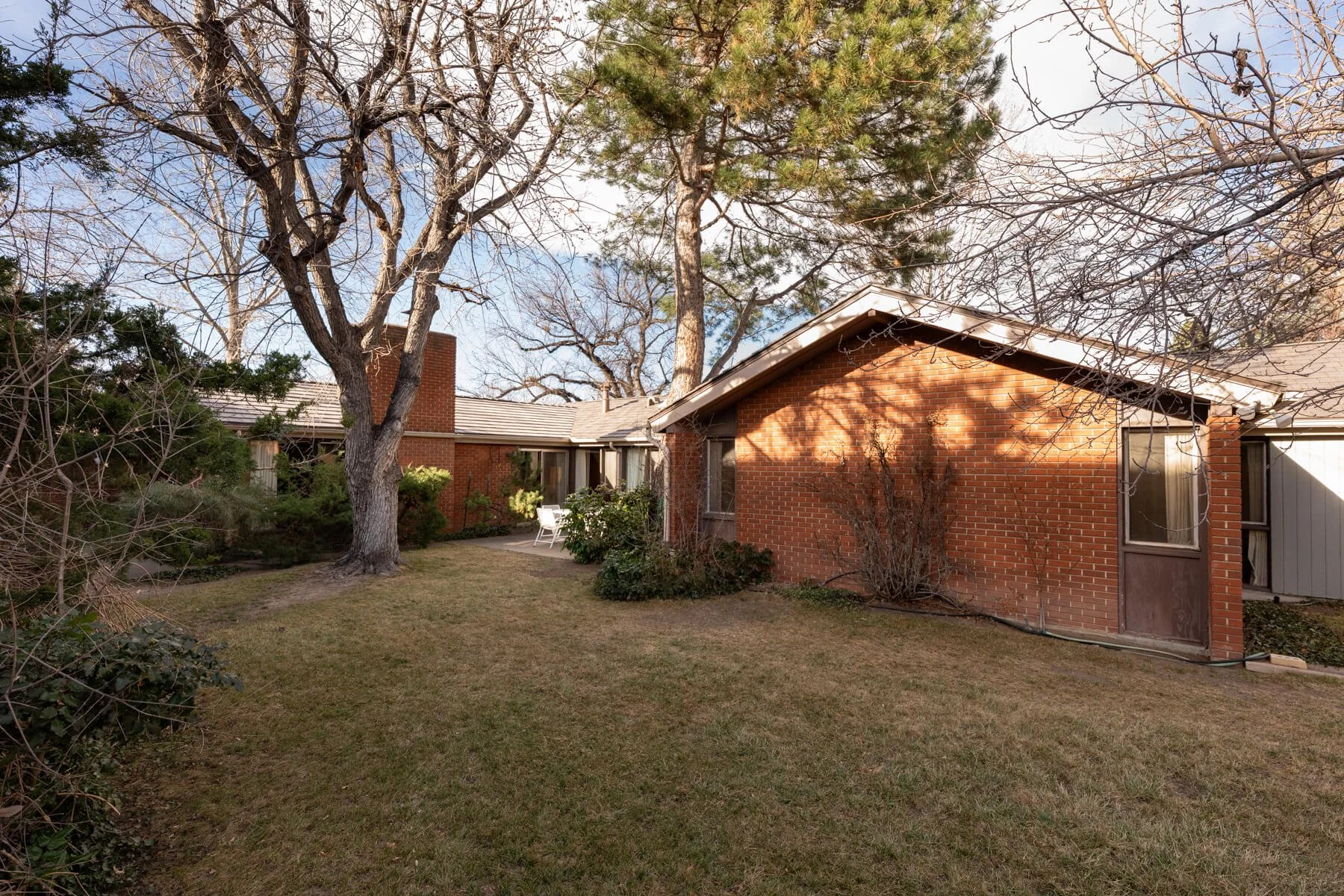
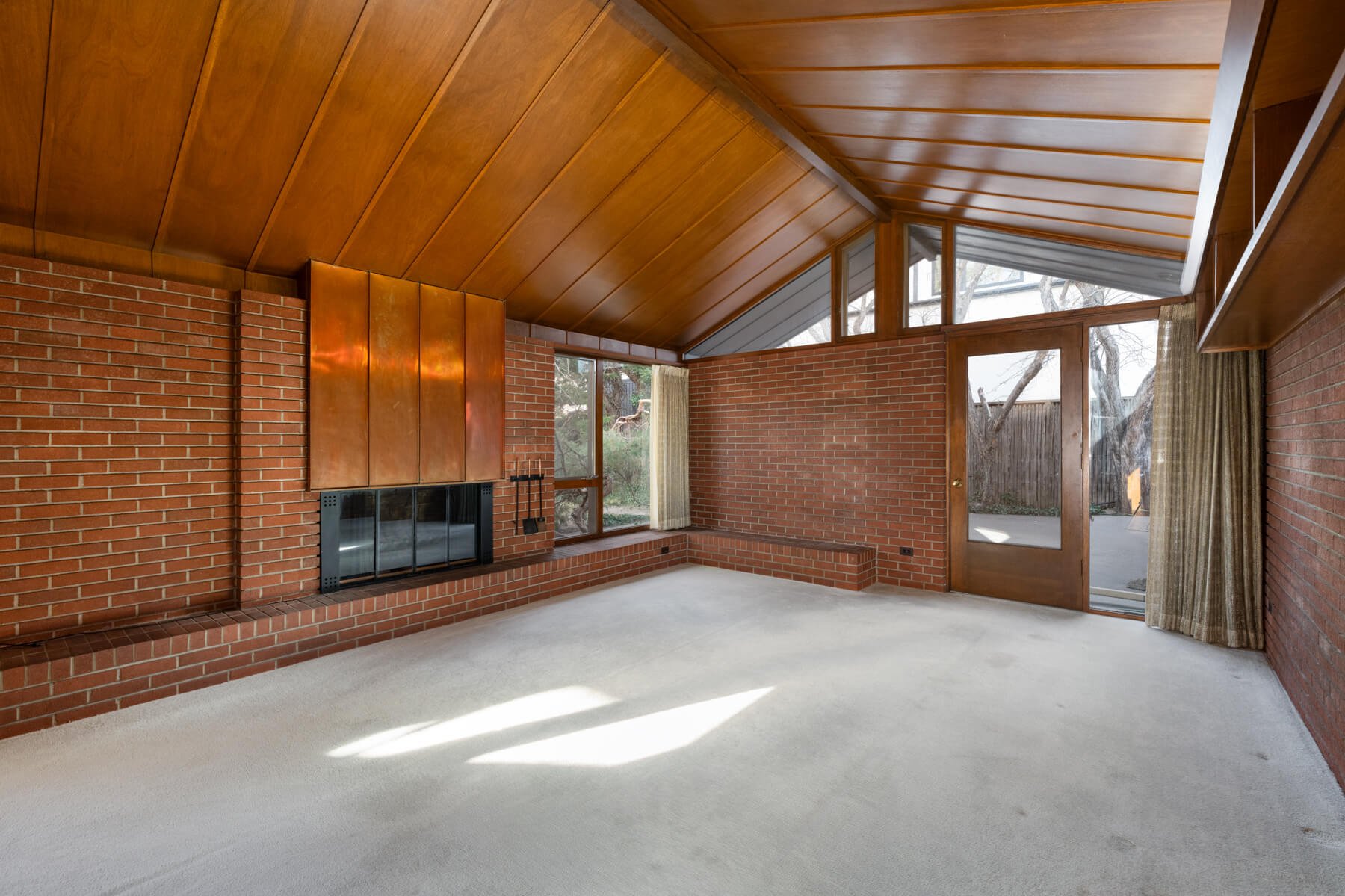
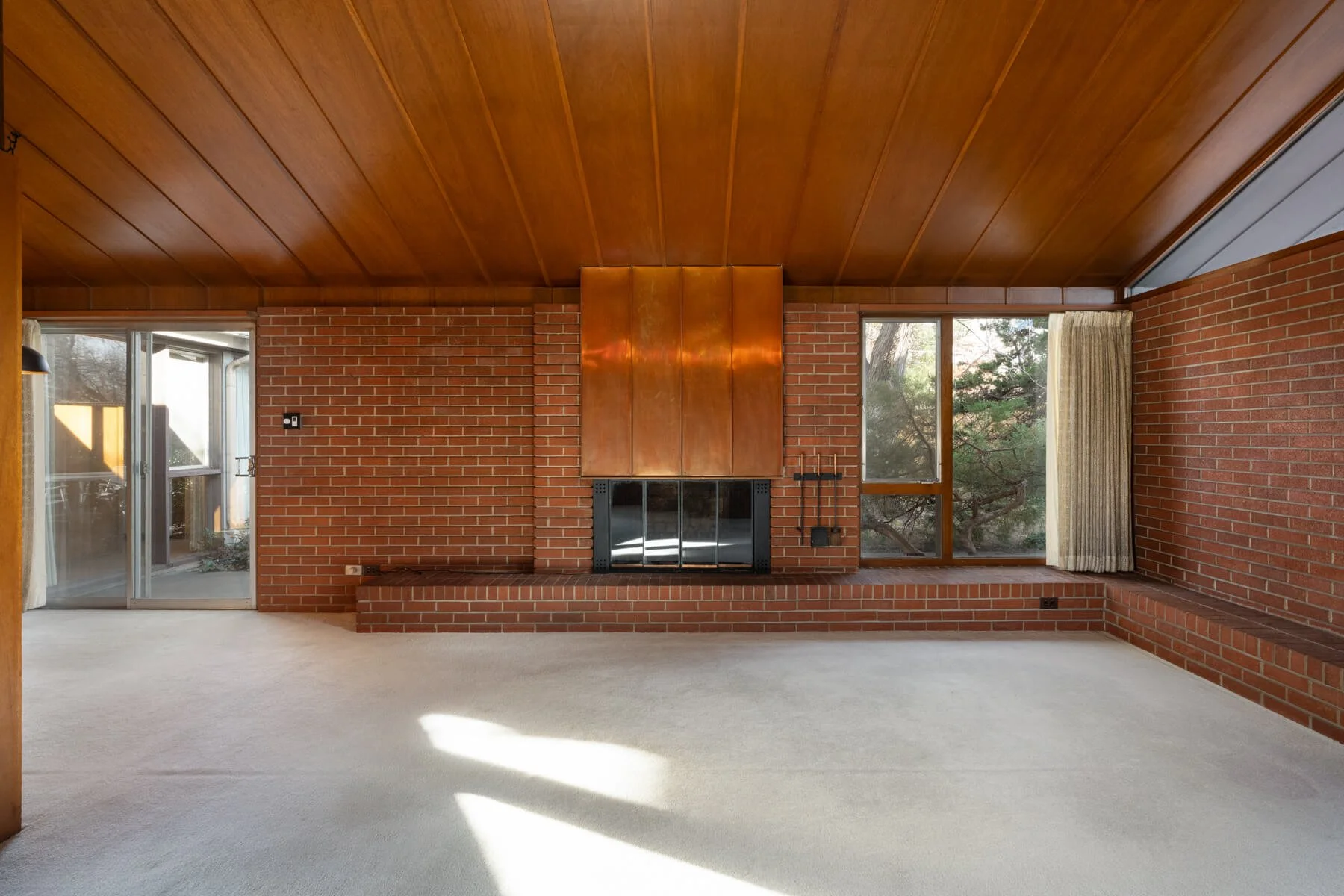
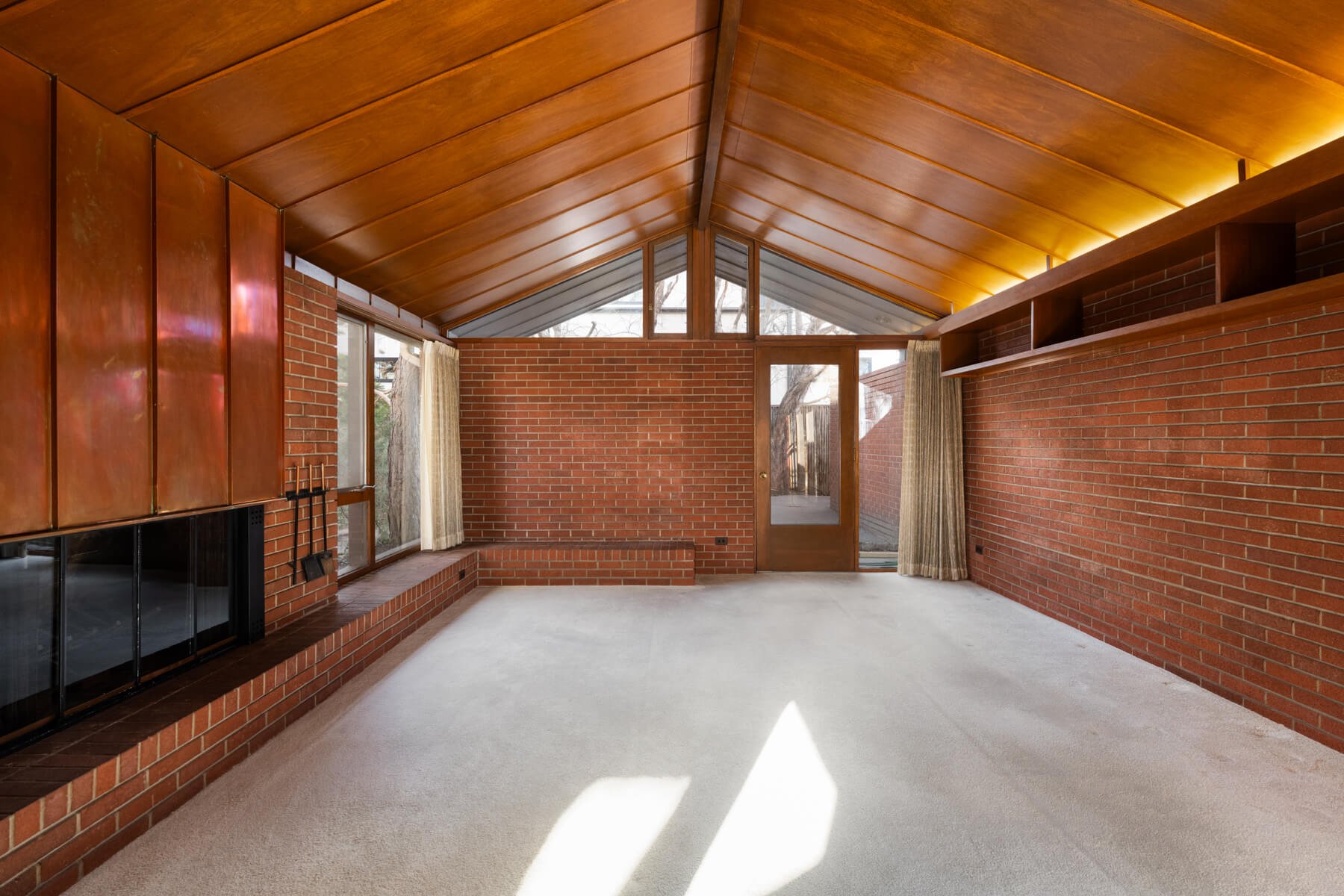
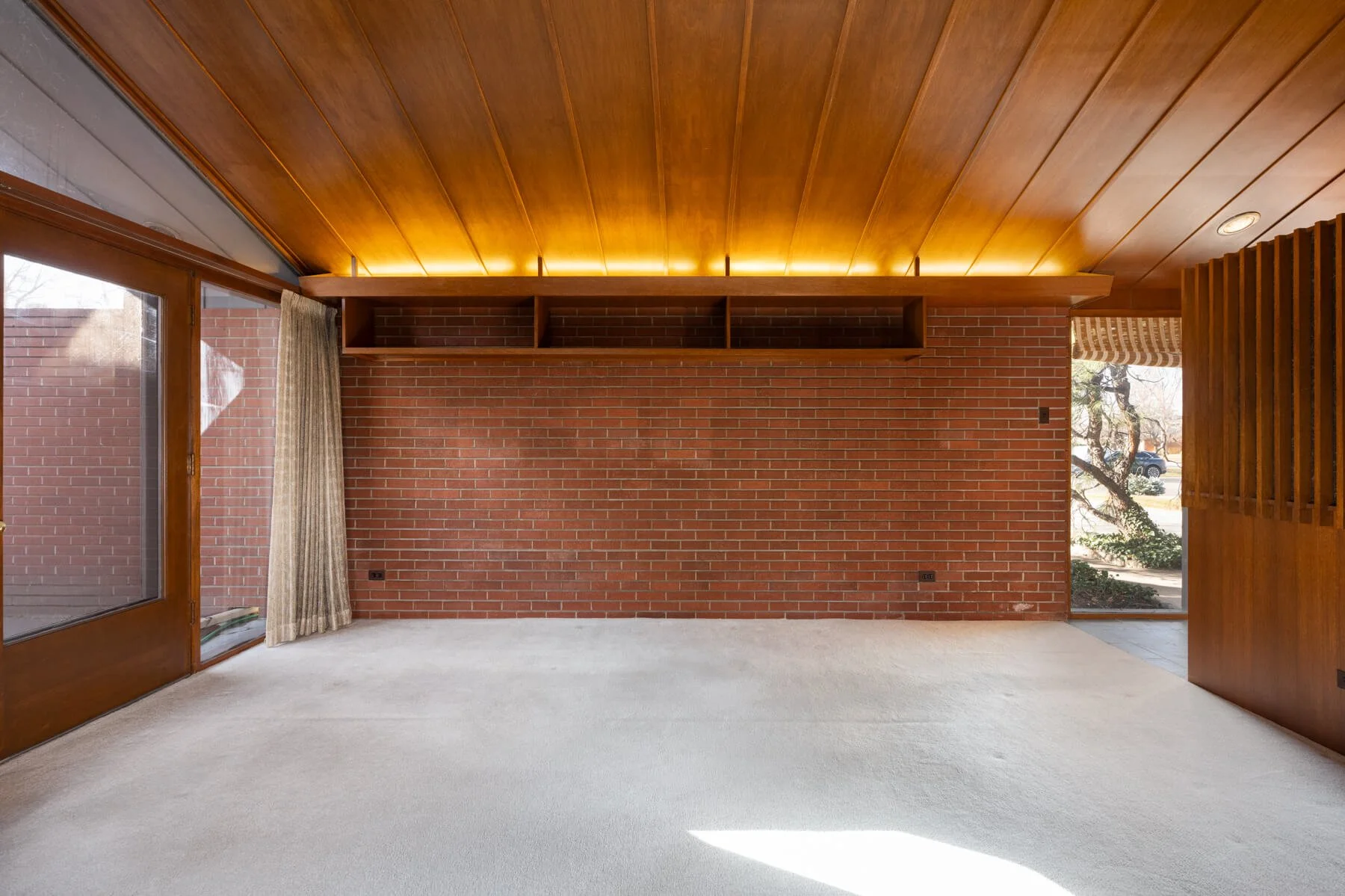
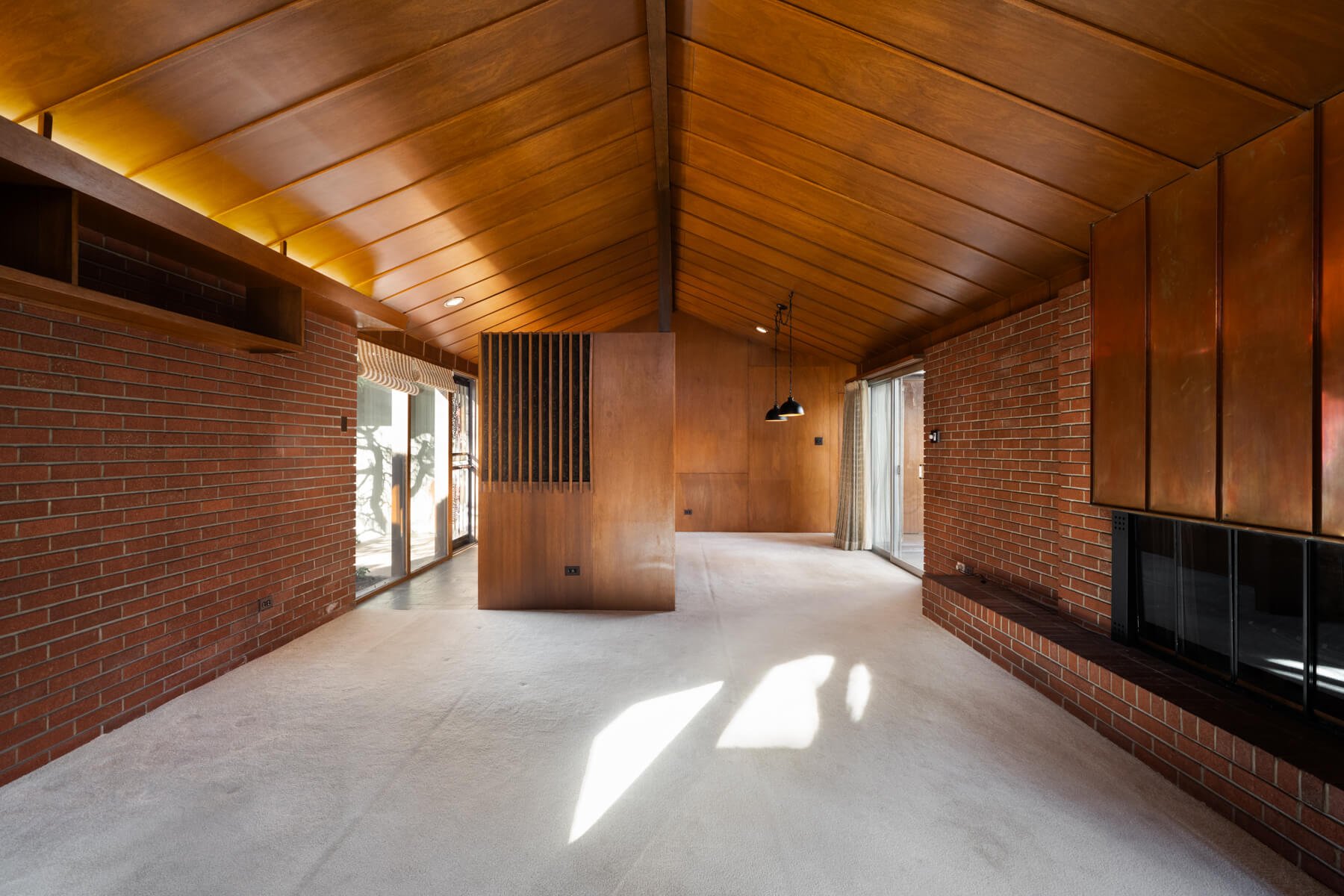
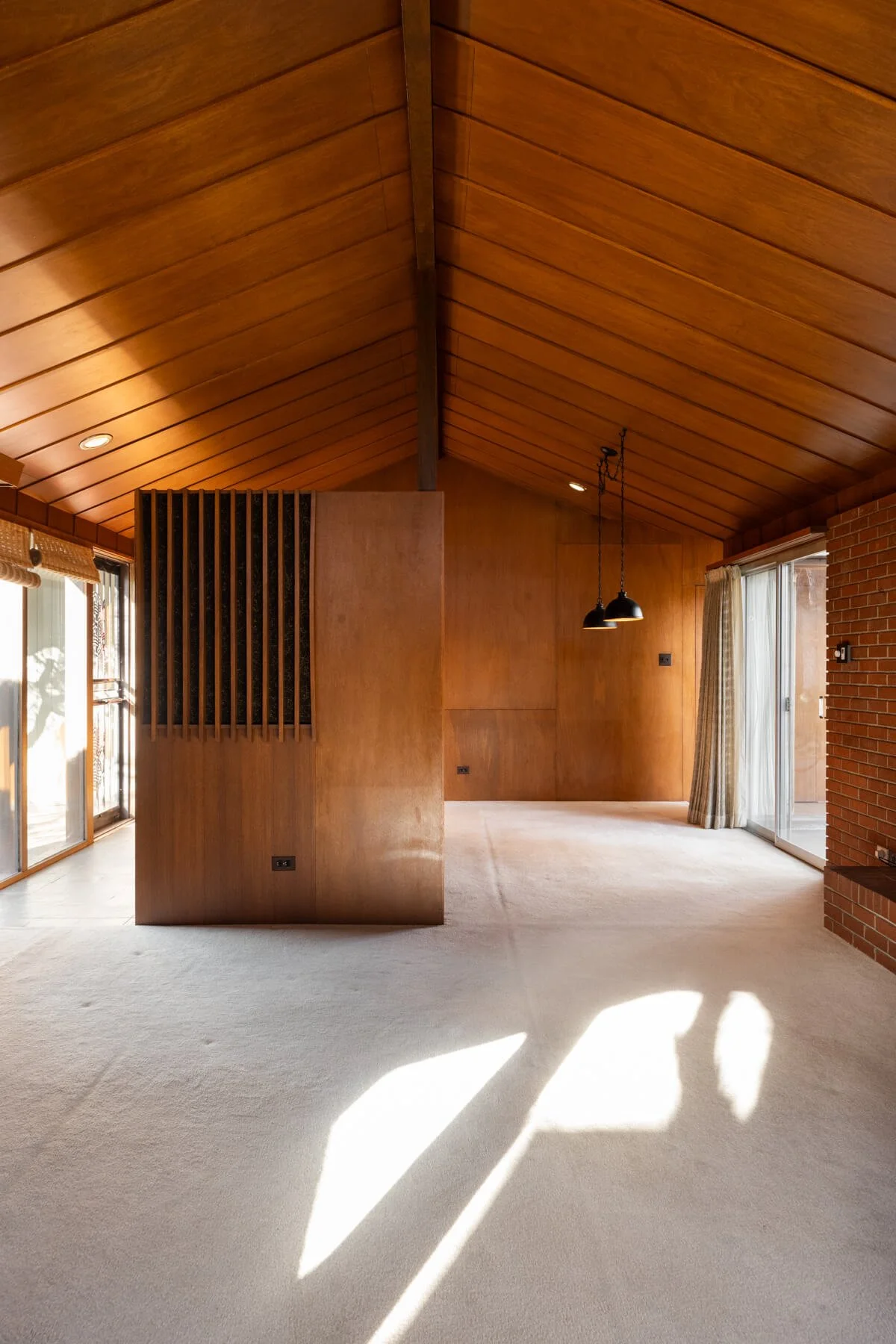
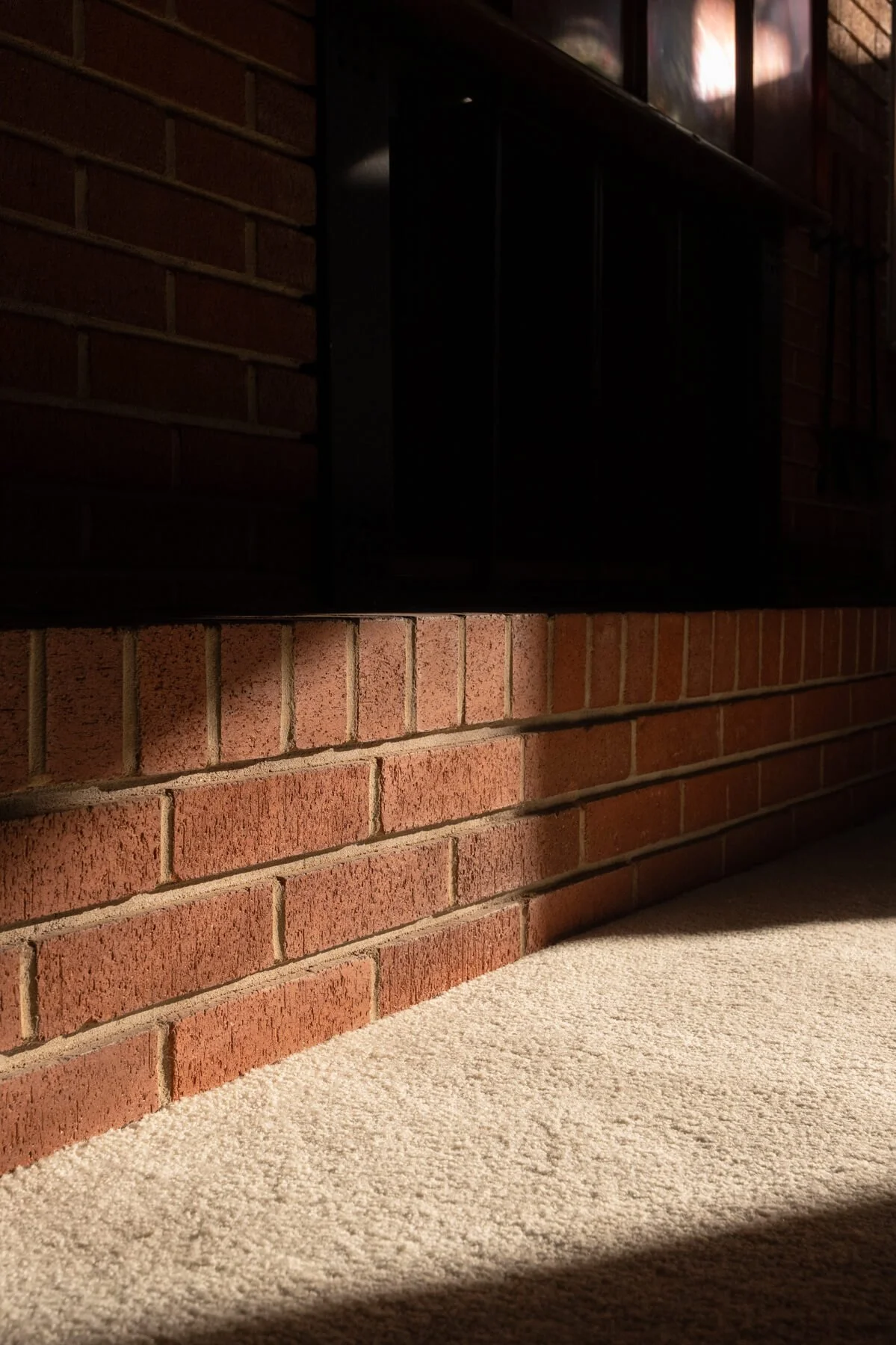
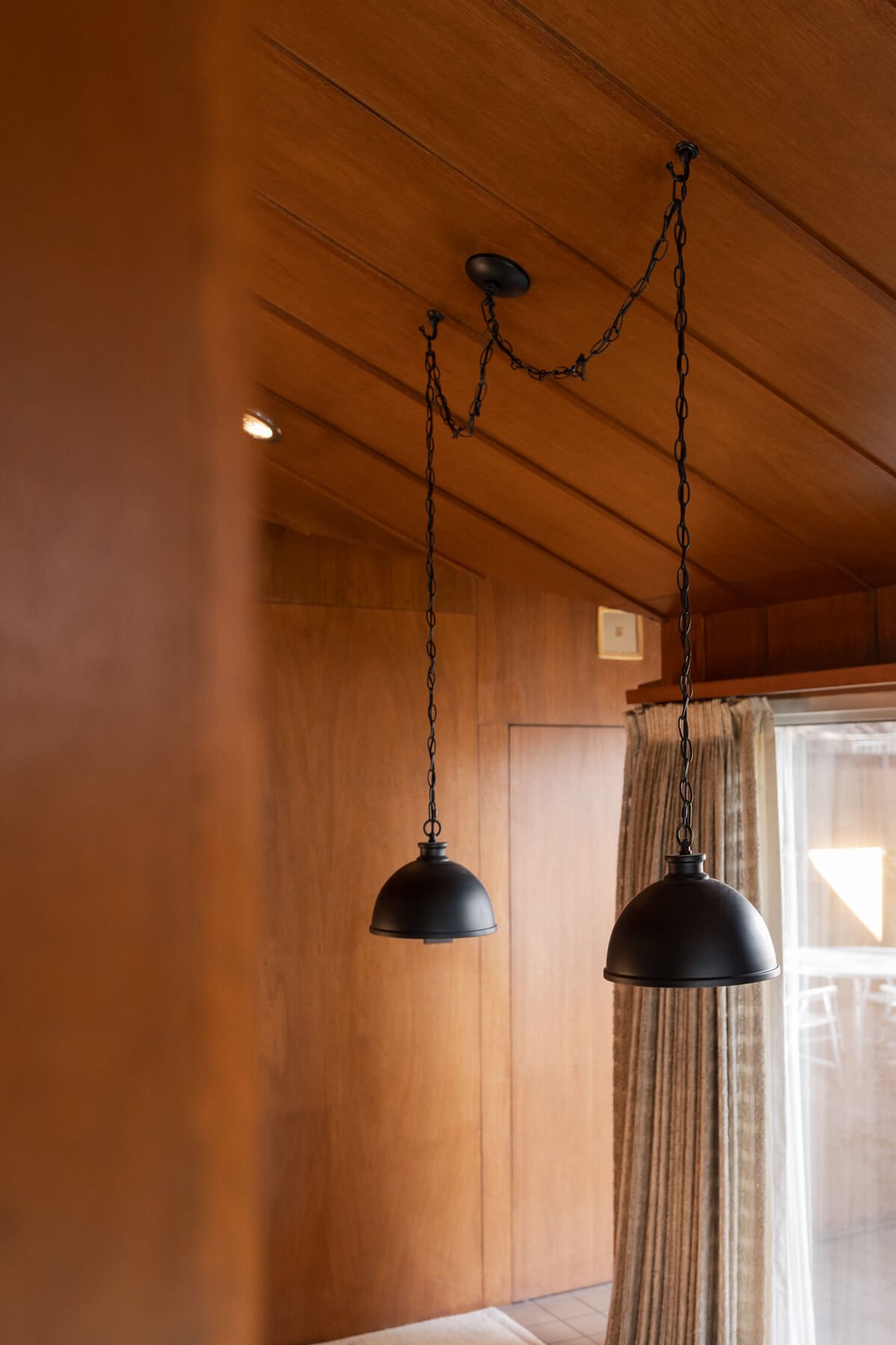
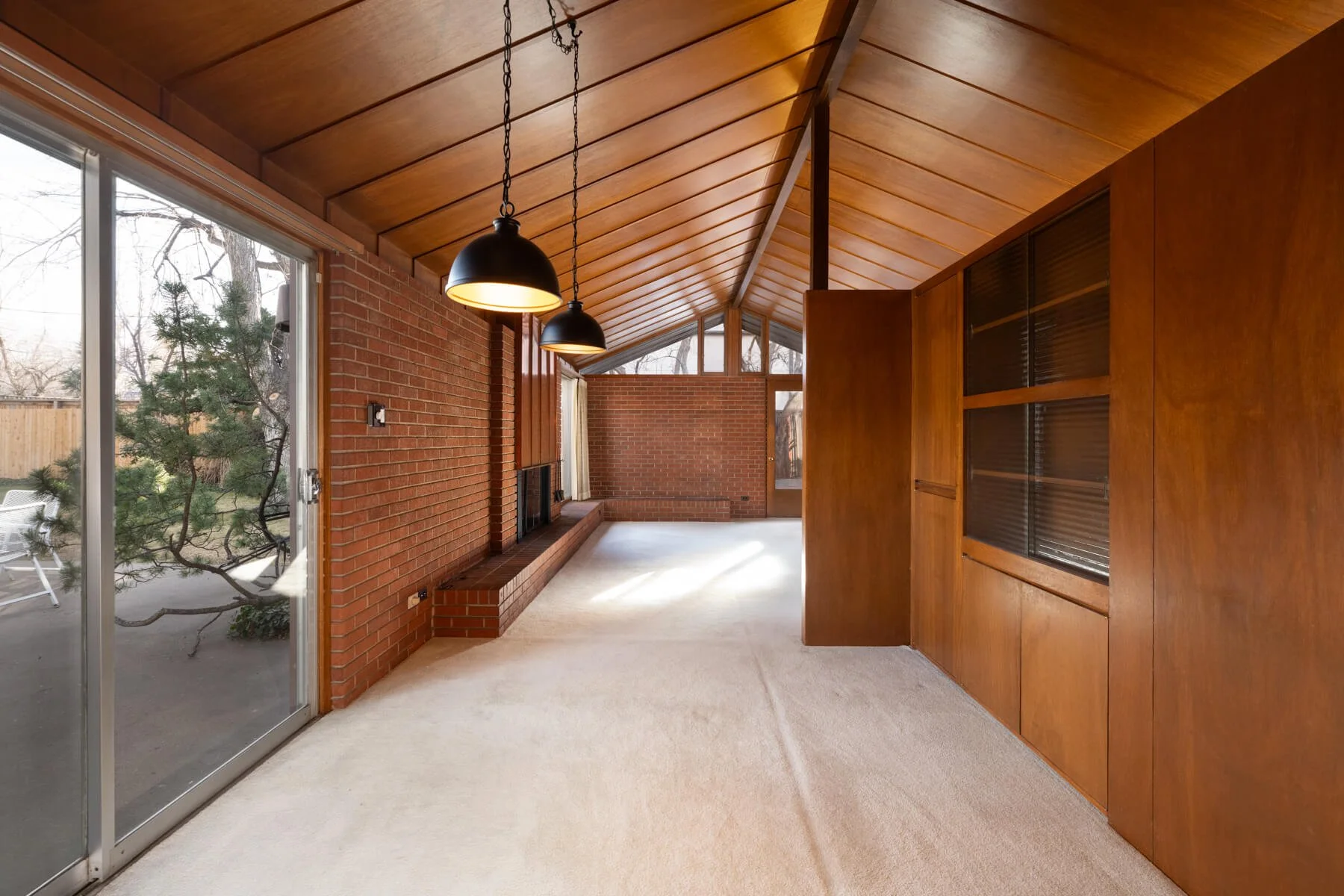
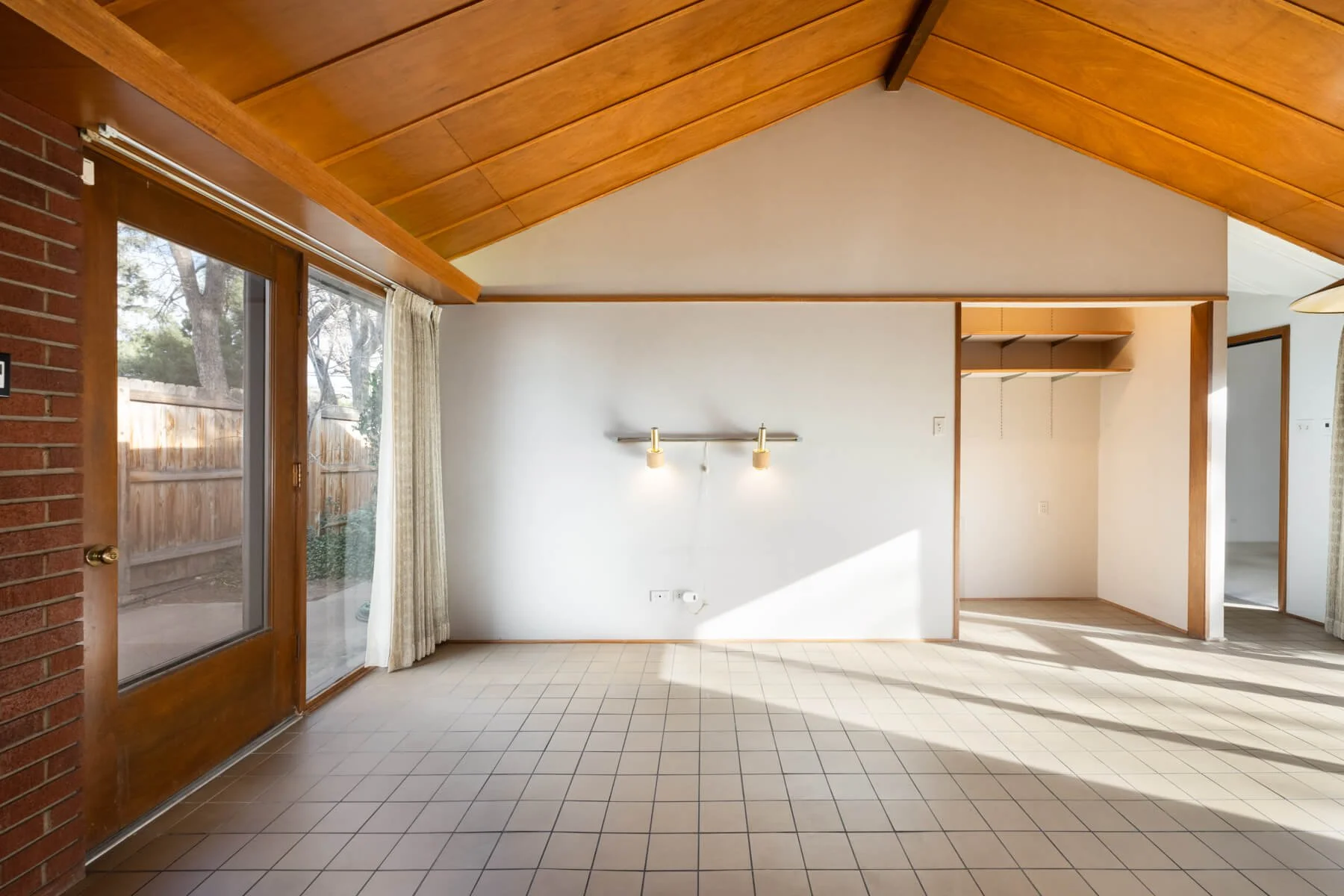
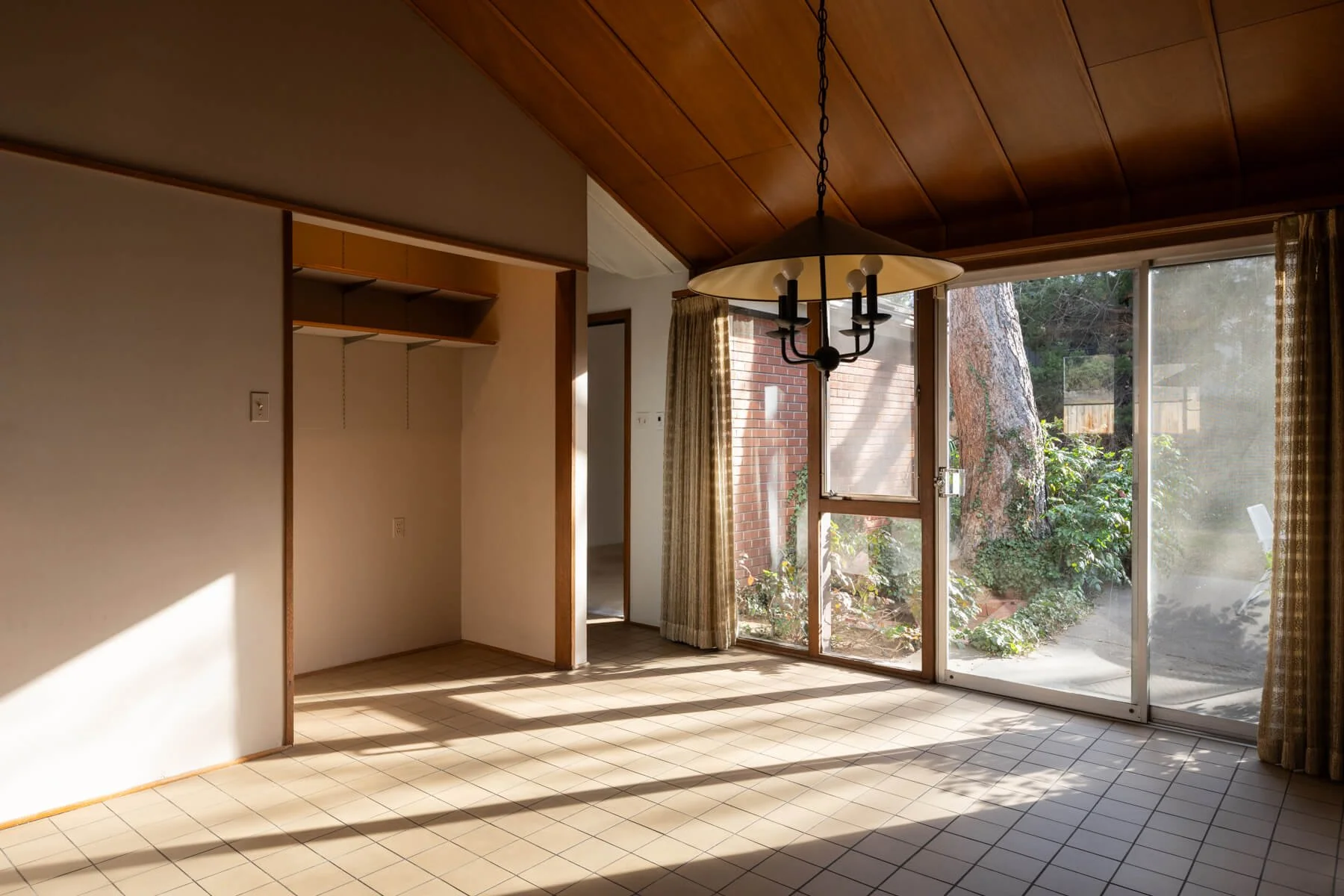
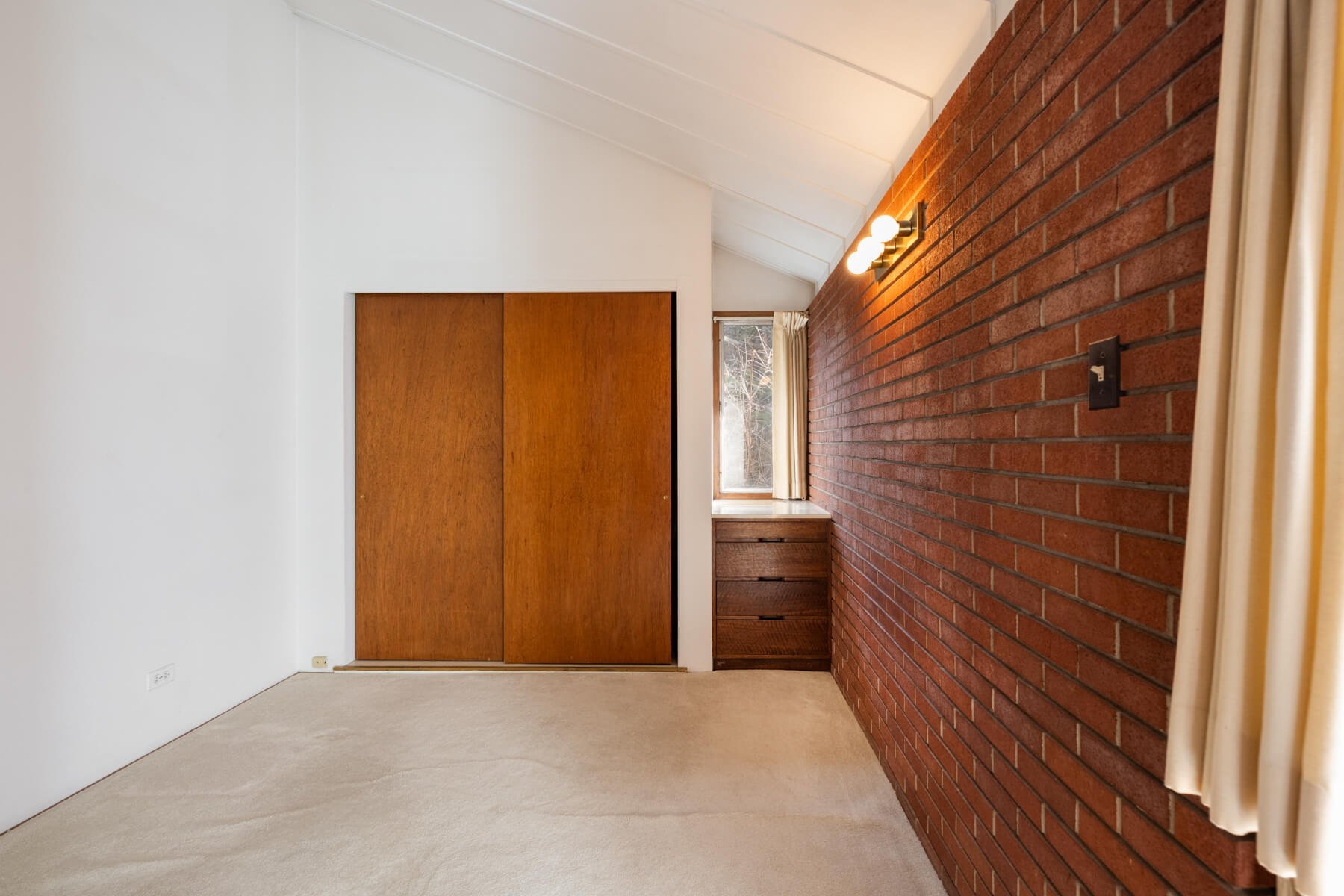
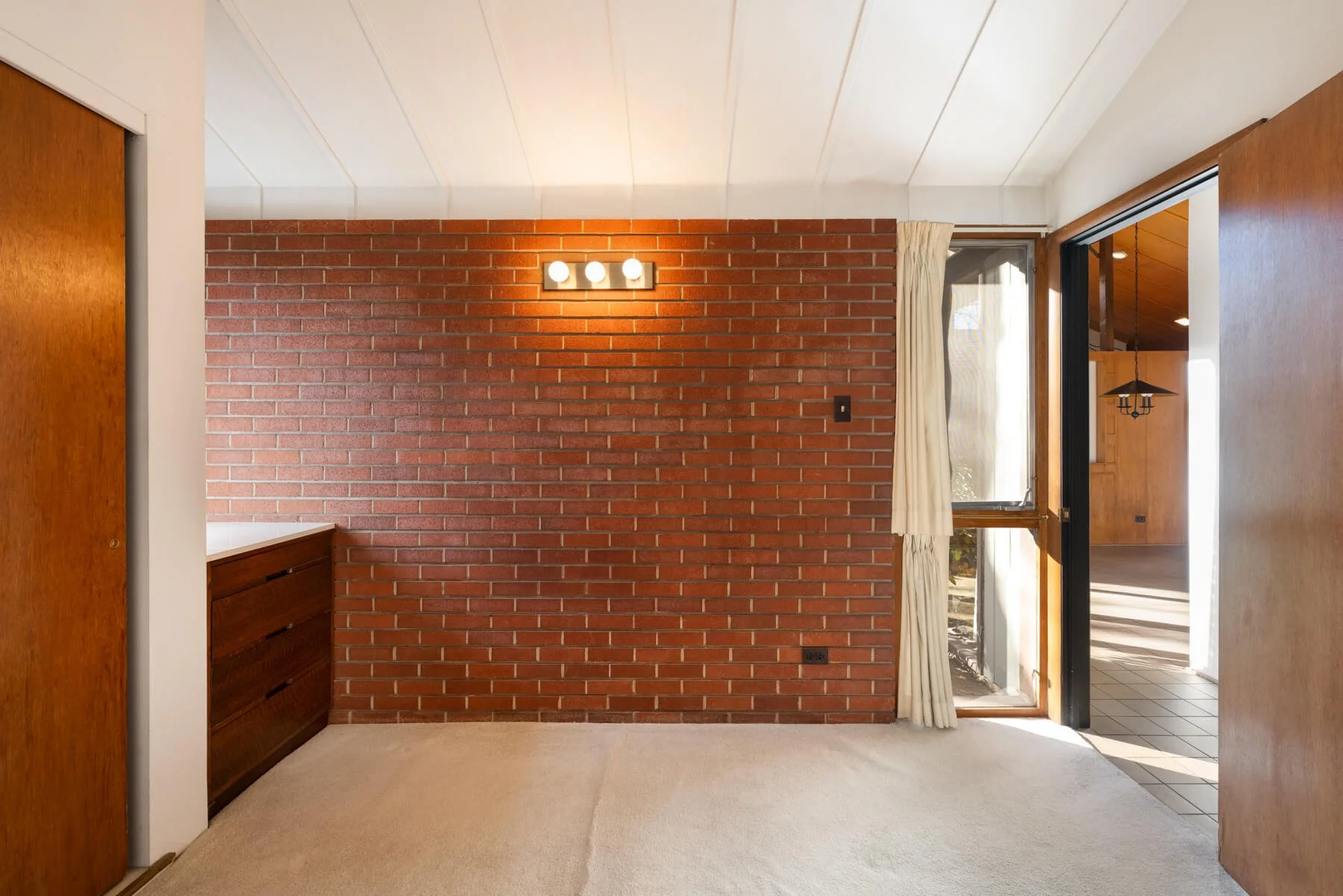
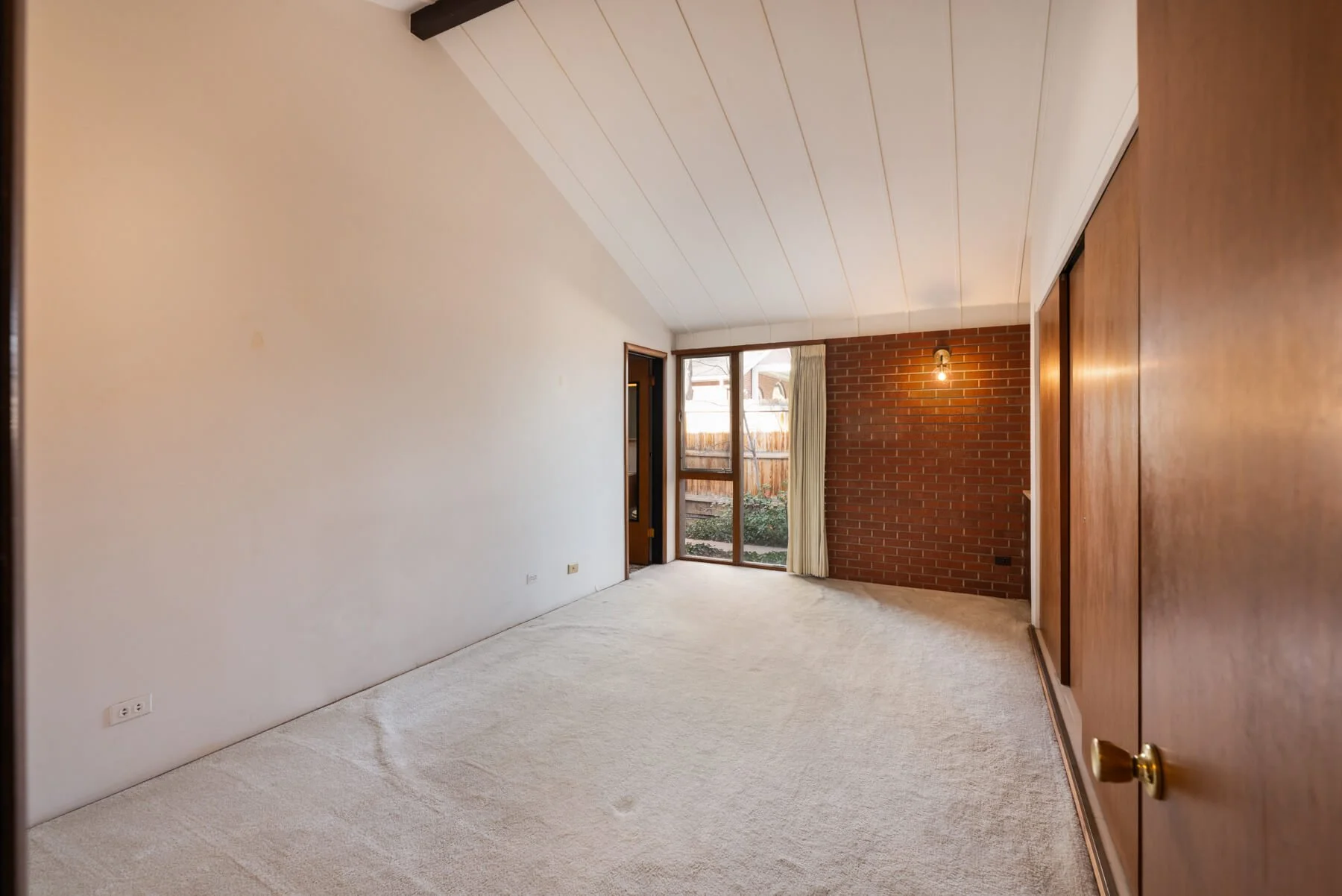
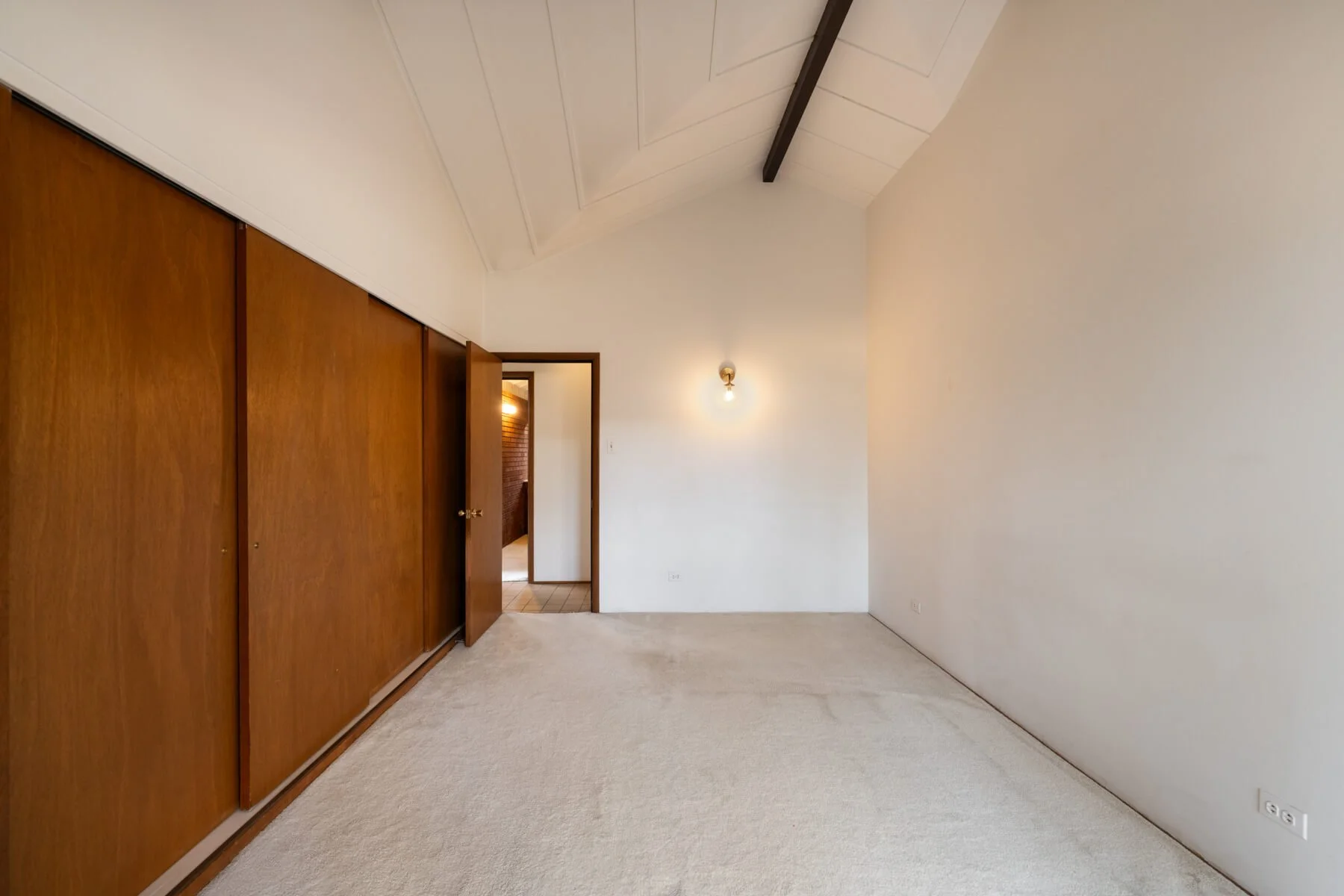
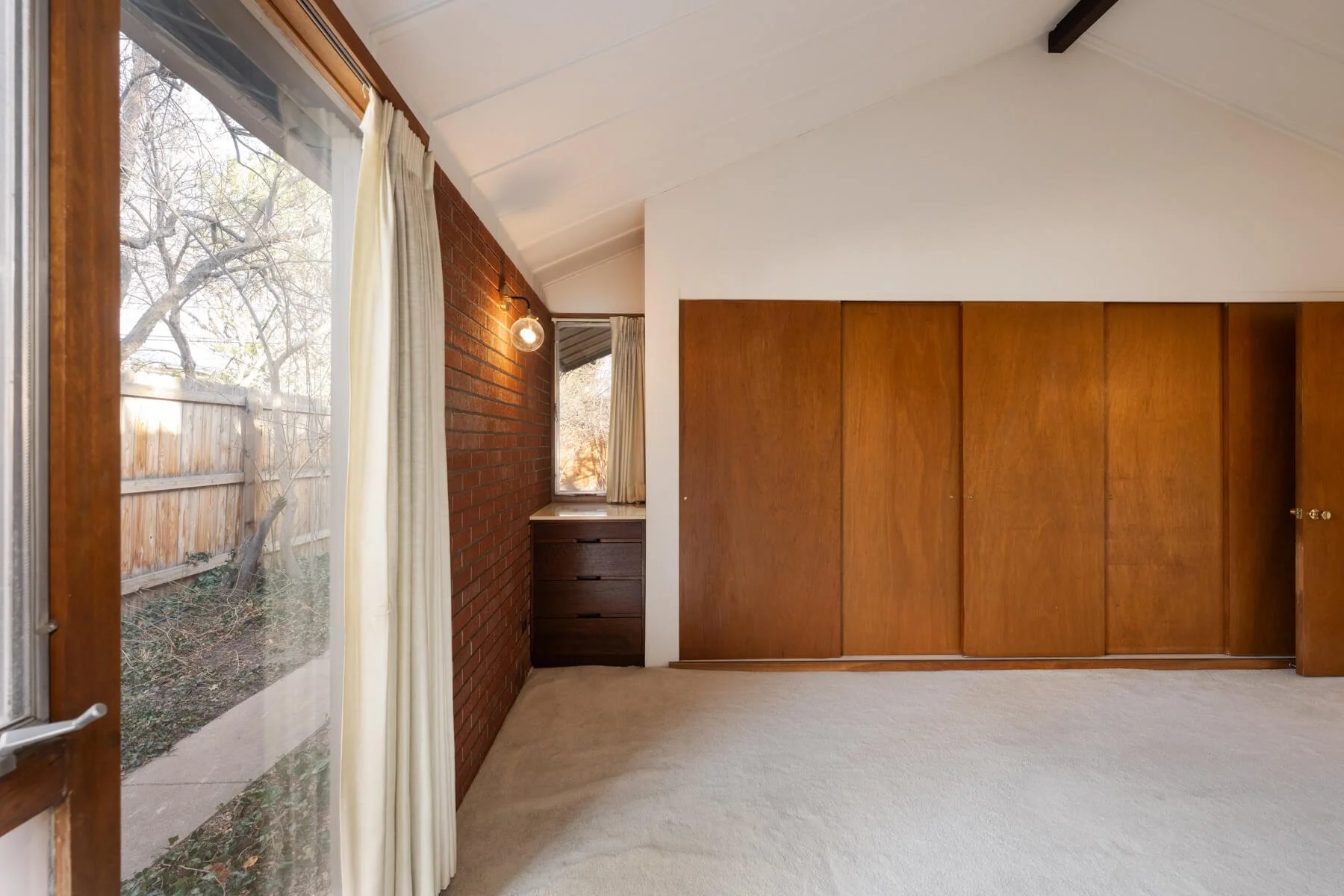
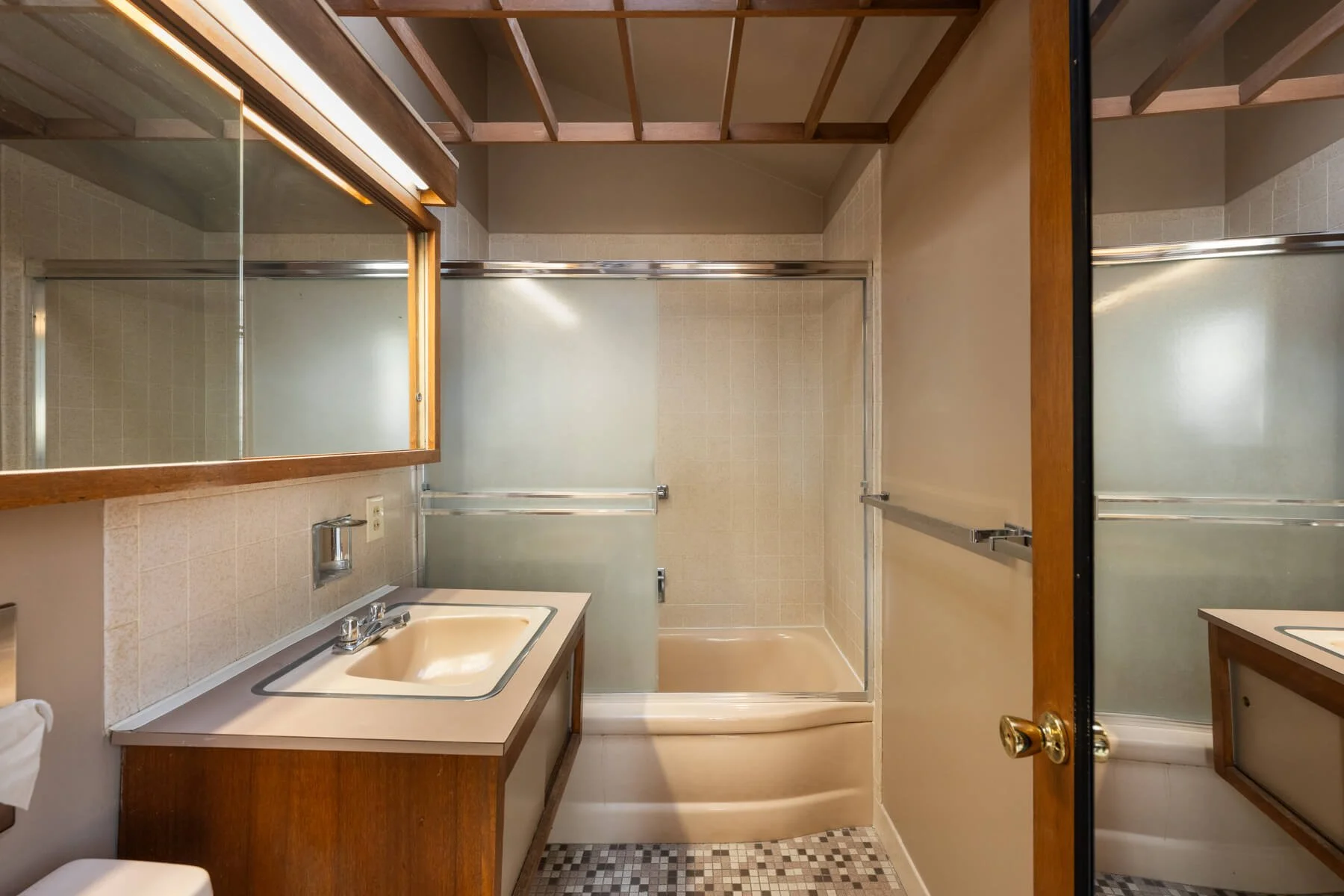
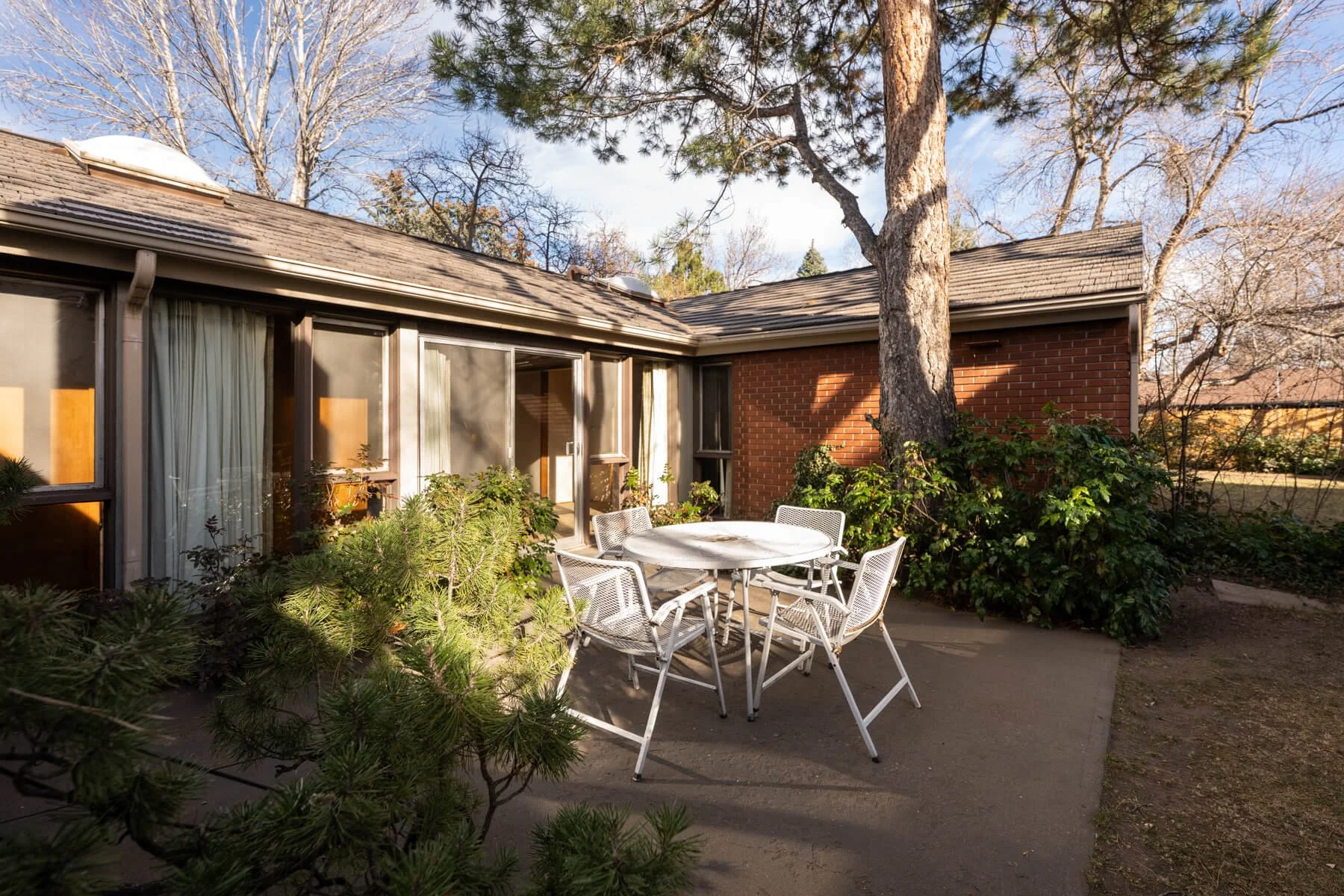
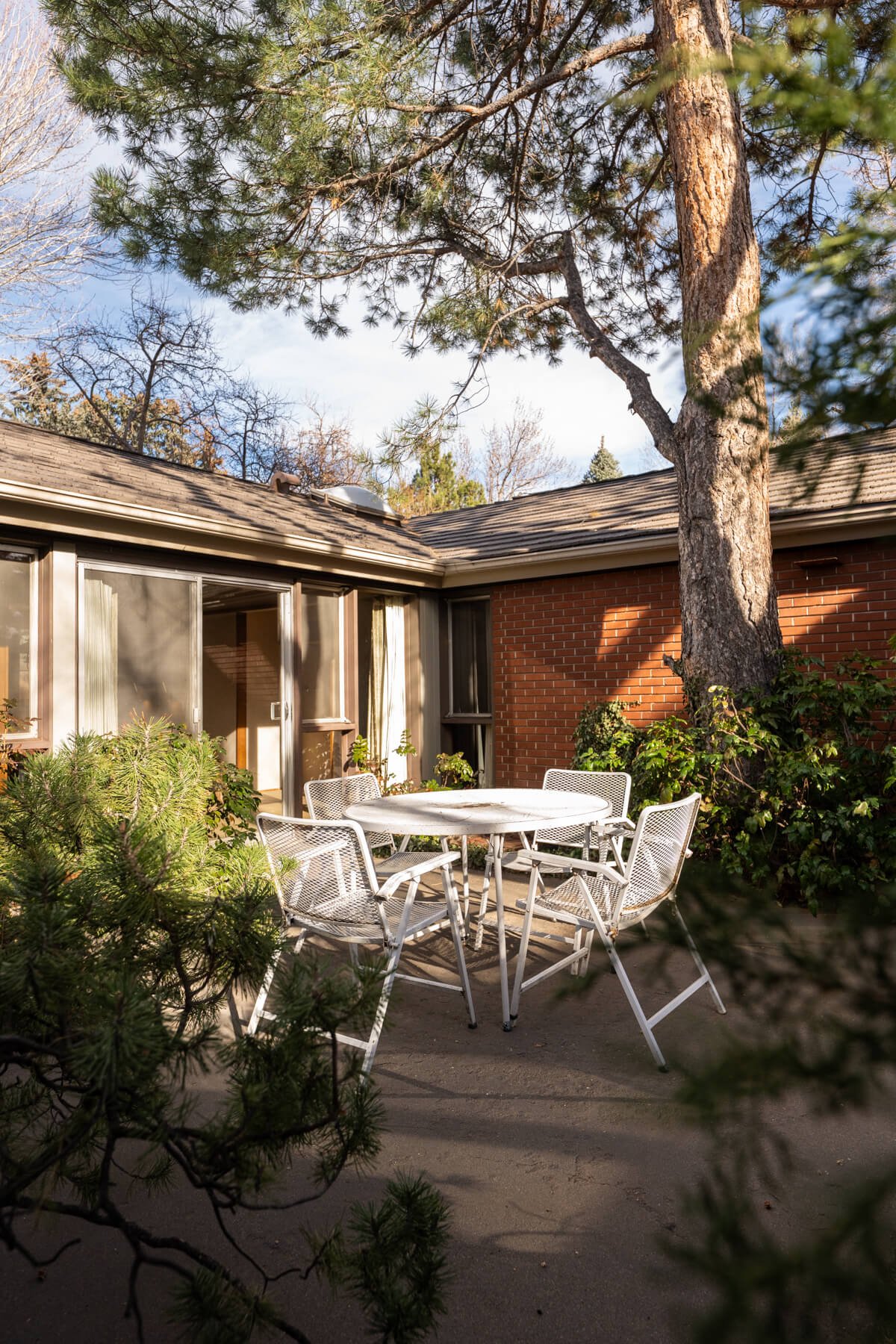
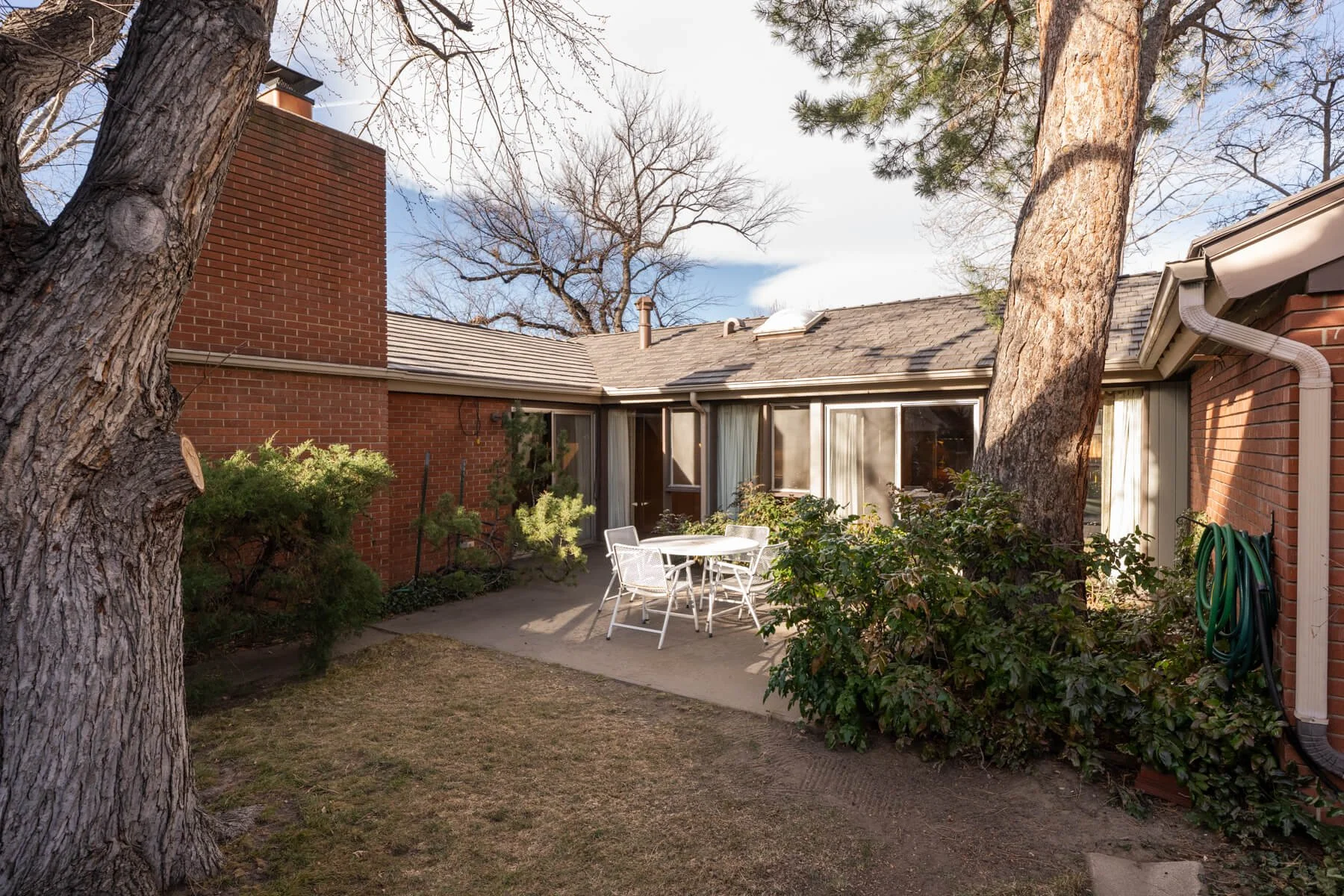
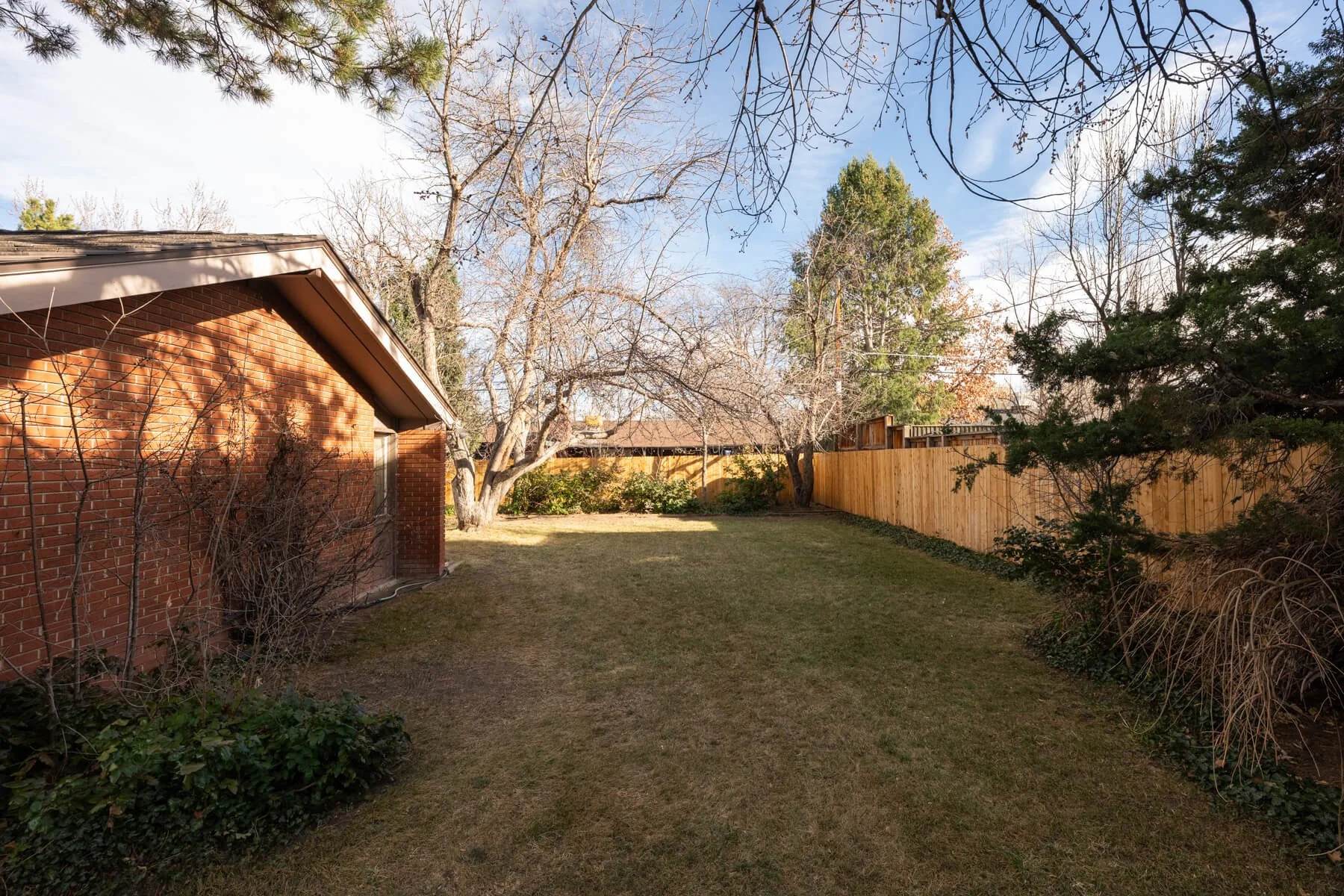
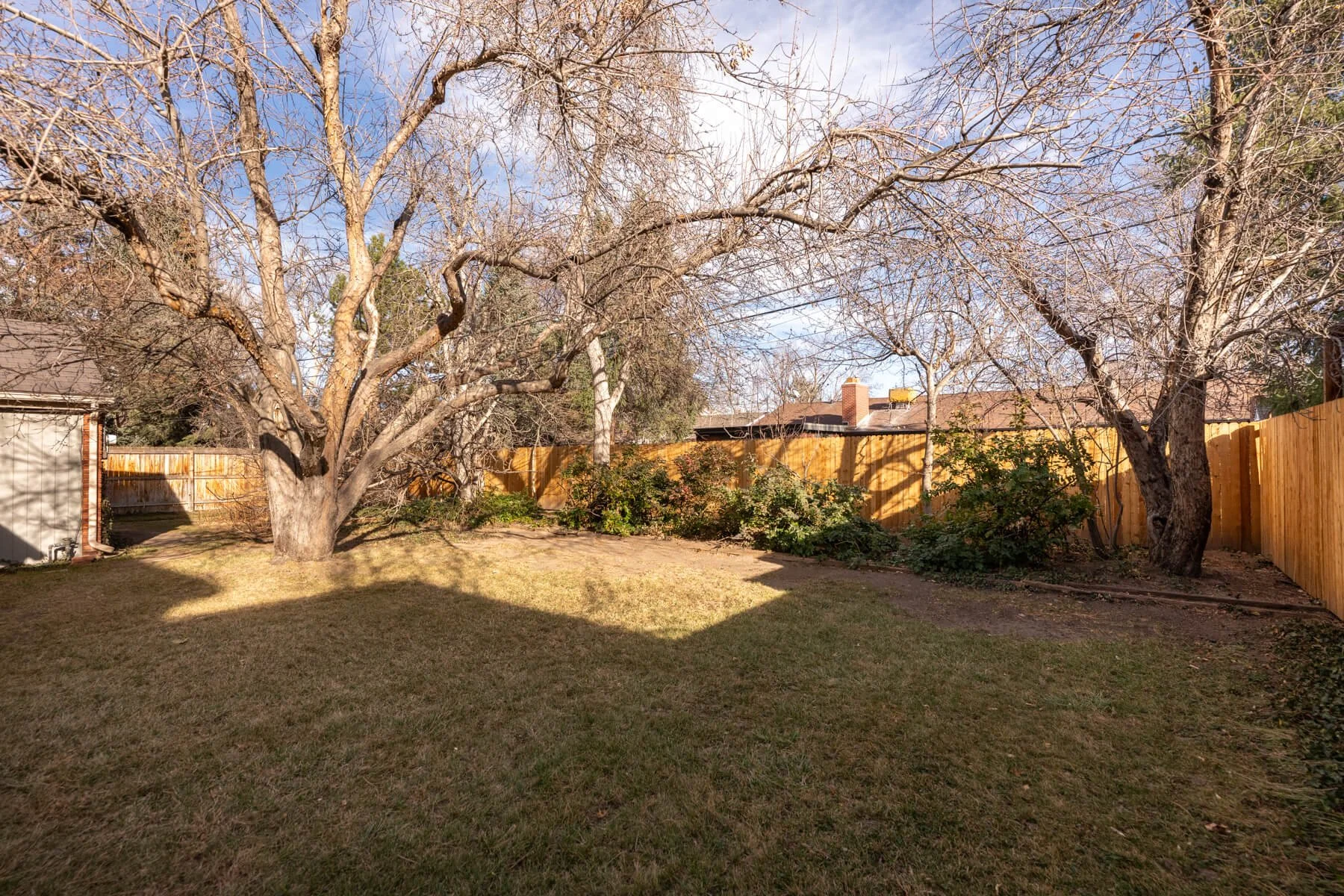
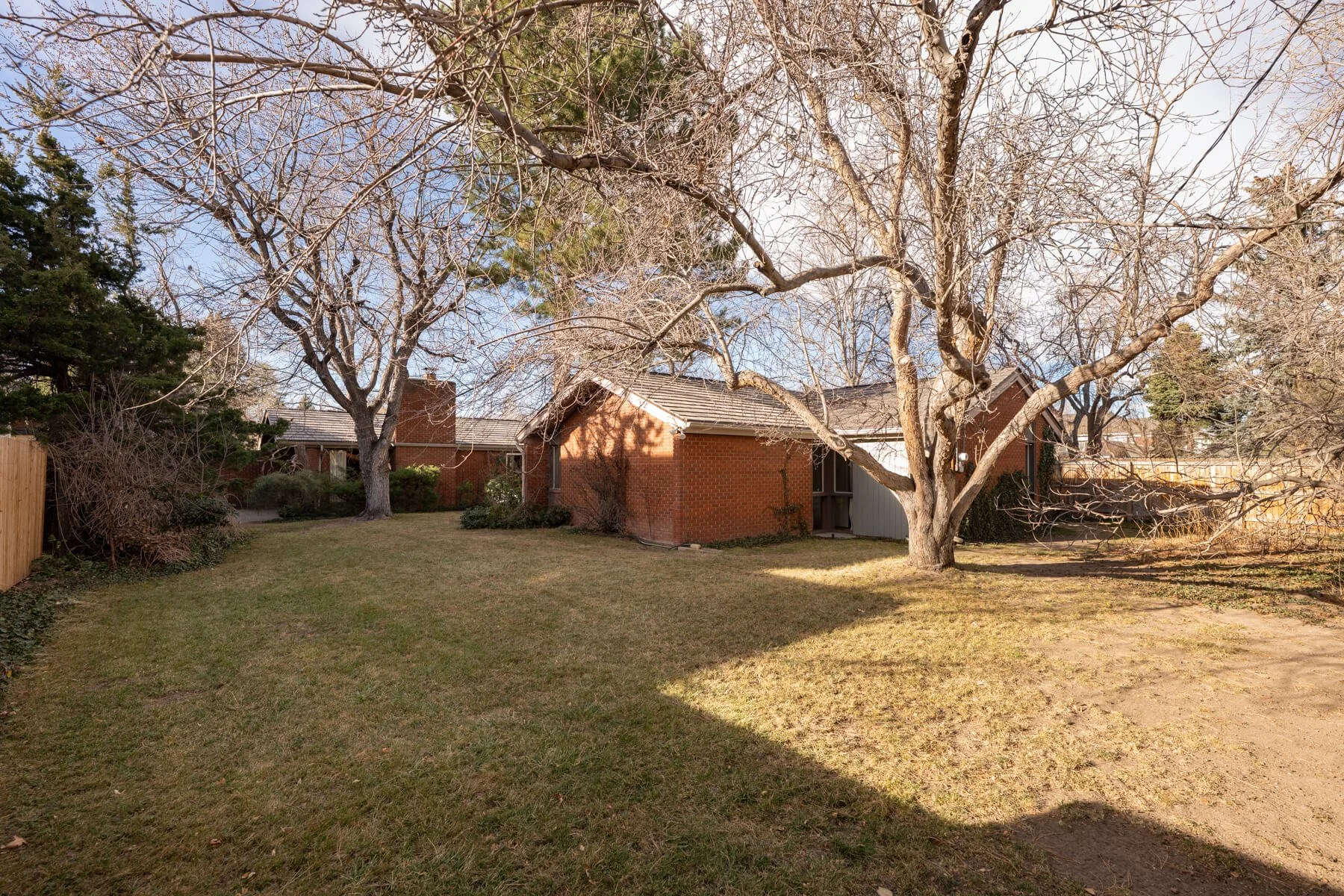
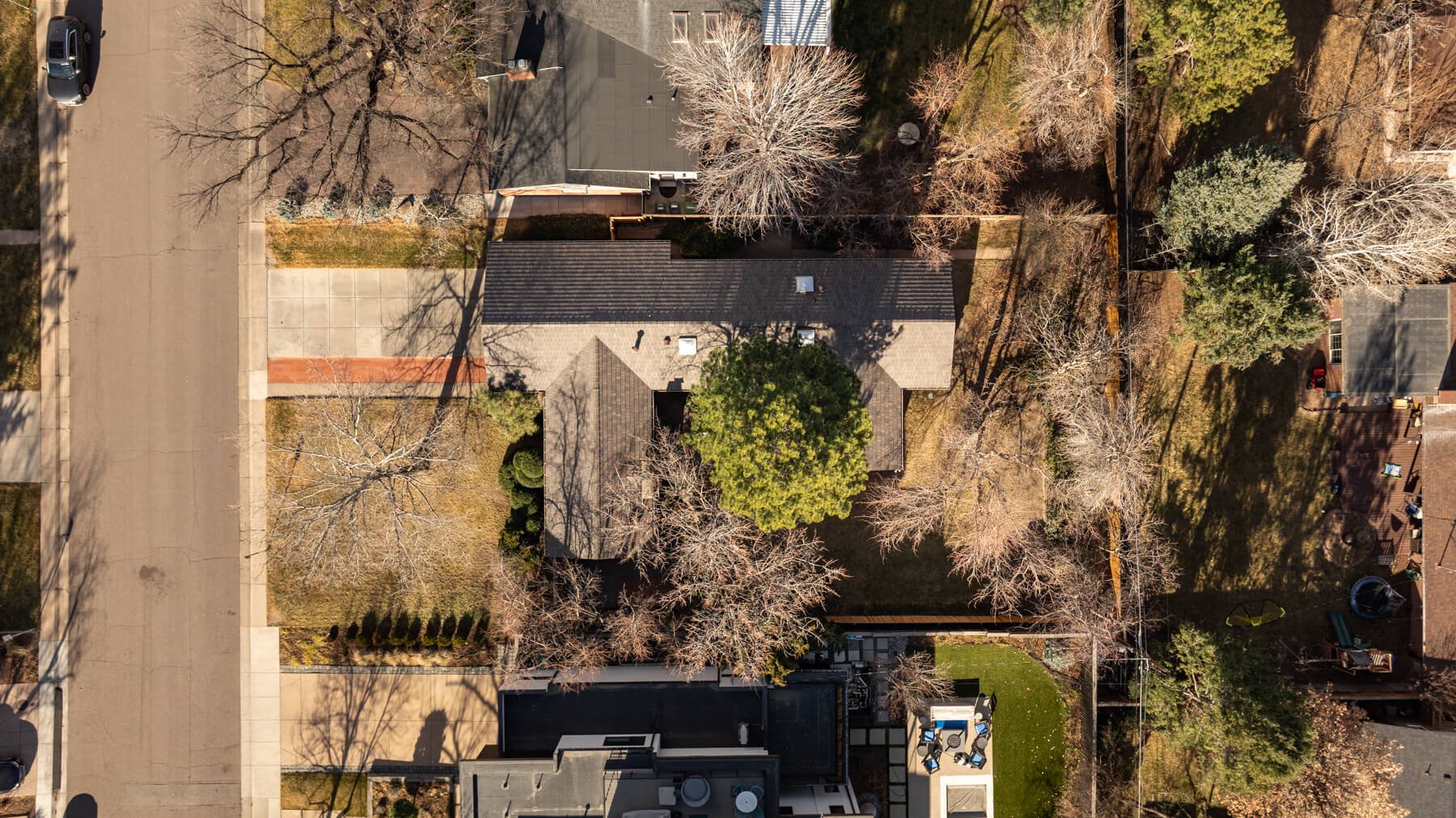
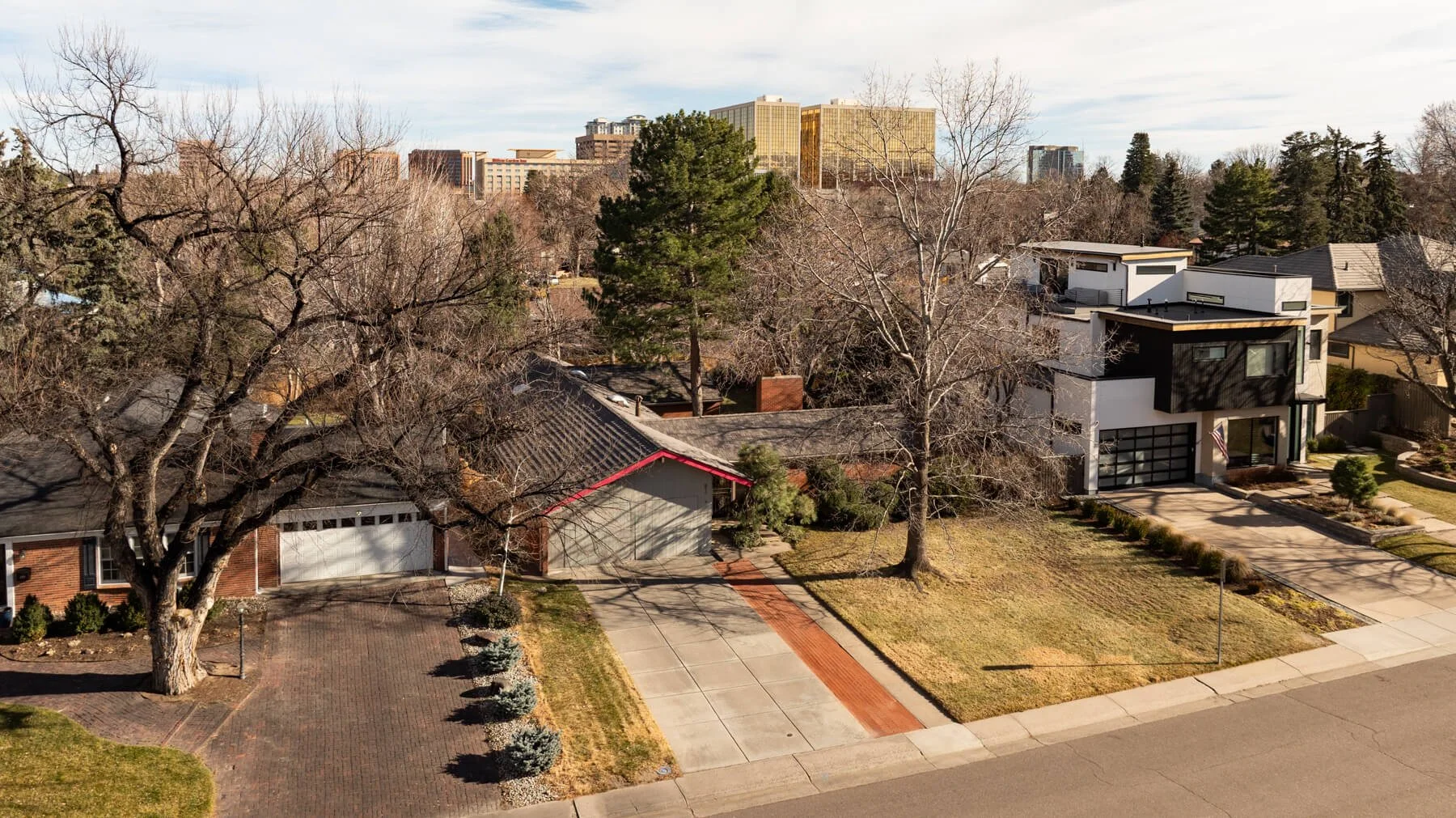
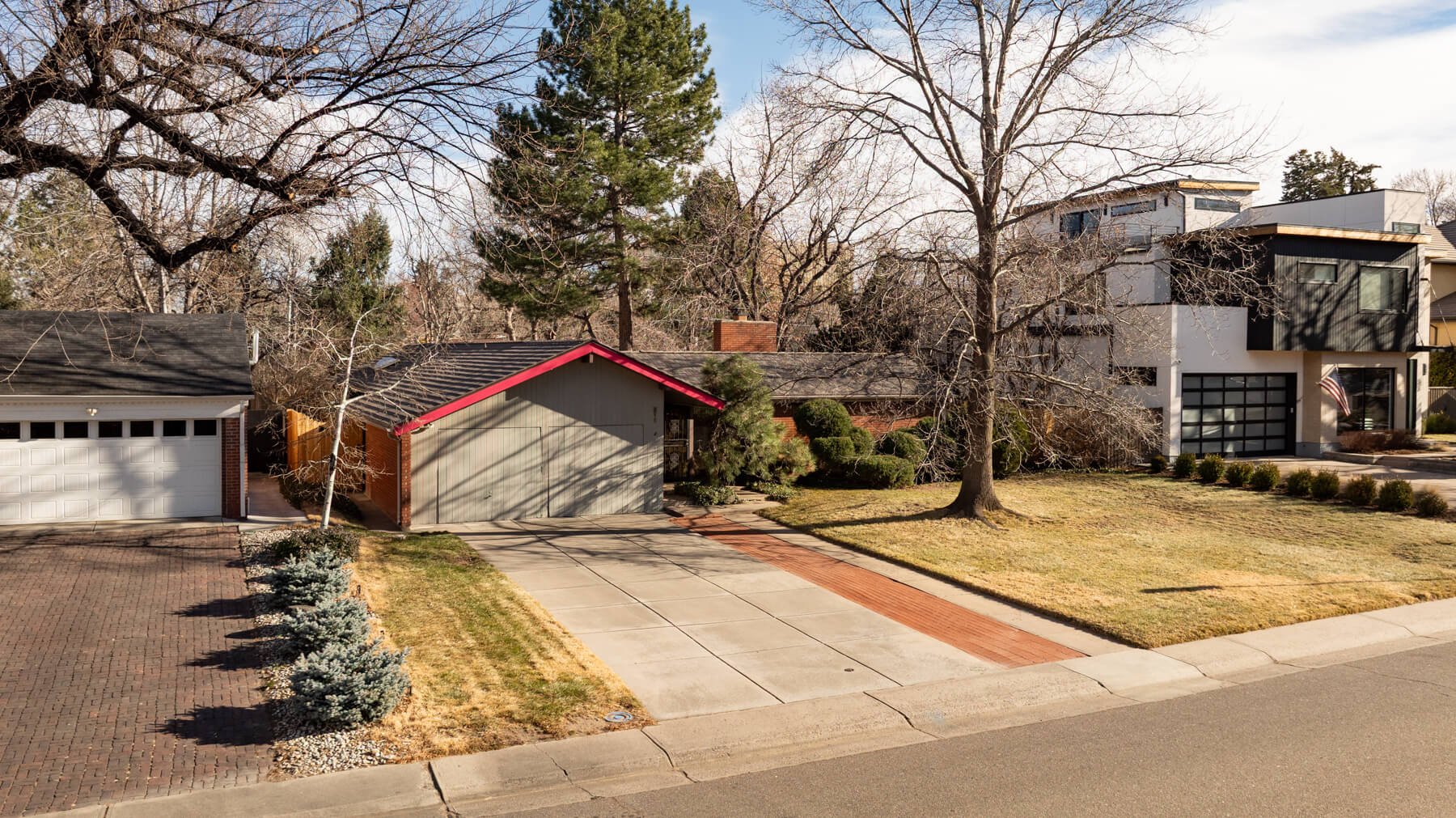
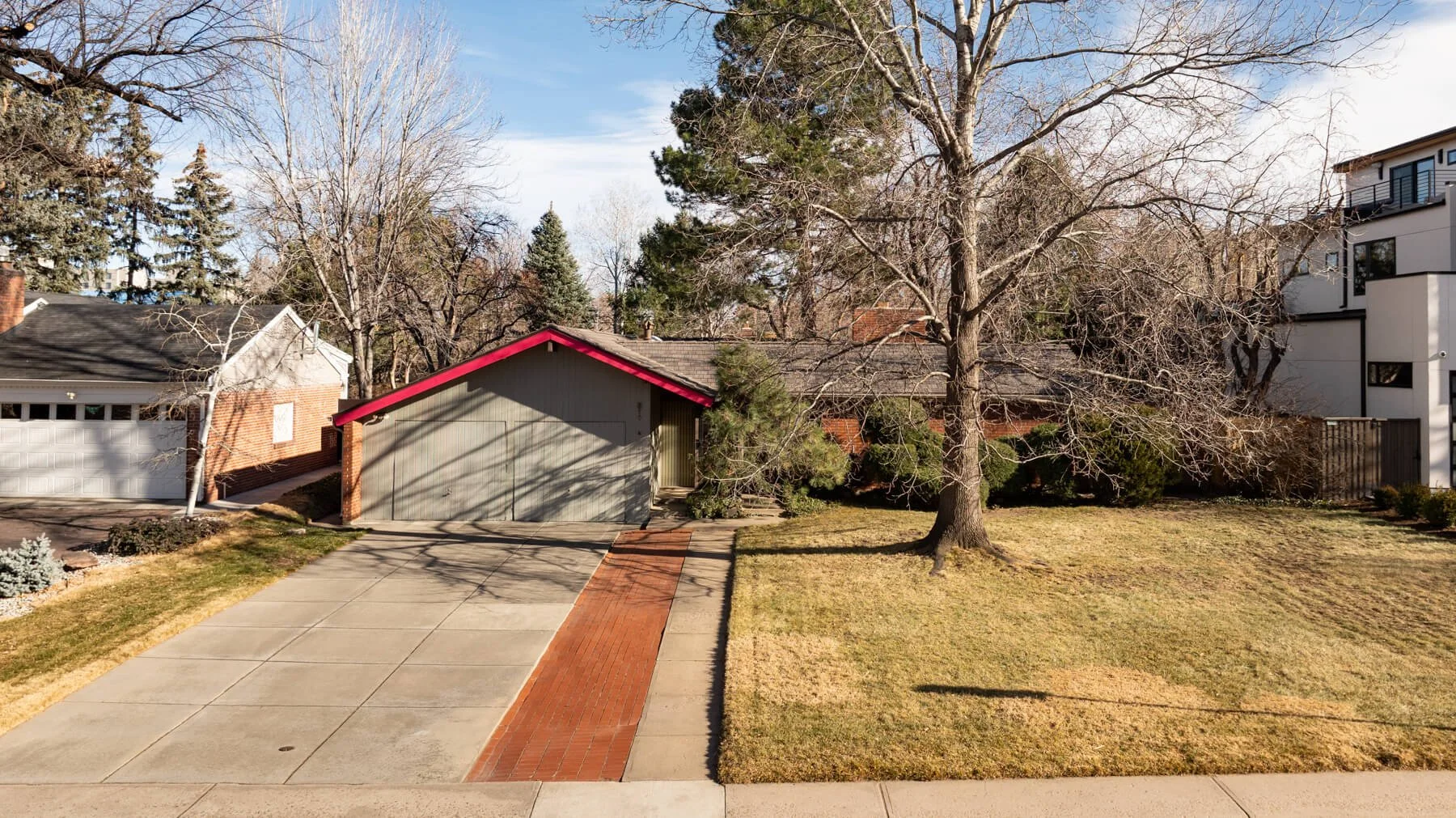
The main area of the home has unpainted, wood paneling, while the bedroom/living side has painted (originally) ceiling- discerning the two areas of the home. The gable roof lines meet in the primary bedroom, leaving the exposed adjoining angles for admiration by all that see the precisely milled and adjoined angles. The primary bedroom boasts a full room length closet, providing ample storage. As well as a time capsule en-suite bathroom. With another wood grid to show the dramatic height of the room. But the true show stopper of this home is the main living area. With a fireplace adorned with a copper hood, built in hi-fi speakers and storage, as well as doors to the courtyard and side yard- this was the true center of the modernist world. Oriented with privacy from the street, and from the front door, this room had glass walls facing the side yard, and the courtyard to connect the in and out, while blocking off all street view, leaving the occupants feeling like they were truly in their own oasis in the city. And, stepping outside to the 11,000sf+ lot (with the home being situated closer to the NW corner os the lot), there is ample space for spreading ones wings on the wide open space this large lot affords.
Home features:
2,070 square feet
4 bedrooms, 2 bathrooms
11,300sqft lot
2 Garage Spaces
Built in 1956
List Price: $1,230,000
Landmarked Designated Home in Denver
From the Denver Landmark Application
Wright’s Usonian style was one that Joseph (Gerry) Dion, the architect of 510 S Garfield St, was very familiar with. A recent graduate of the University of Denver School of Architecture and Planning, Dion had studied Wright’s work and had an opportunity to meet him during his visit to the school. And in 1951, Dion was hired by Edward Hawkins, who was developing the Arapahoe Acres subdivision in Englewood, to assist with designing houses for that development. The design of Arapahoe Acres was strongly influenced by the Usonian style and Dion was still working on Arapahoe Acres when he was
hired to design 510 S Garfield St. Many of the Usonian style features found at 510 S Garfield can also be found in Contemporary style homes of the 1950s and early 1960s such as those found in Denver’s Krisana Park, Lynwood and Harvey Park. These homes pulled many influences from the Usonian style such as sliding doors opening onto patios and open plan layouts. But those homes were mass produced developments without the level of craft and detail seen in Dion’s design for 510 S Garfield.
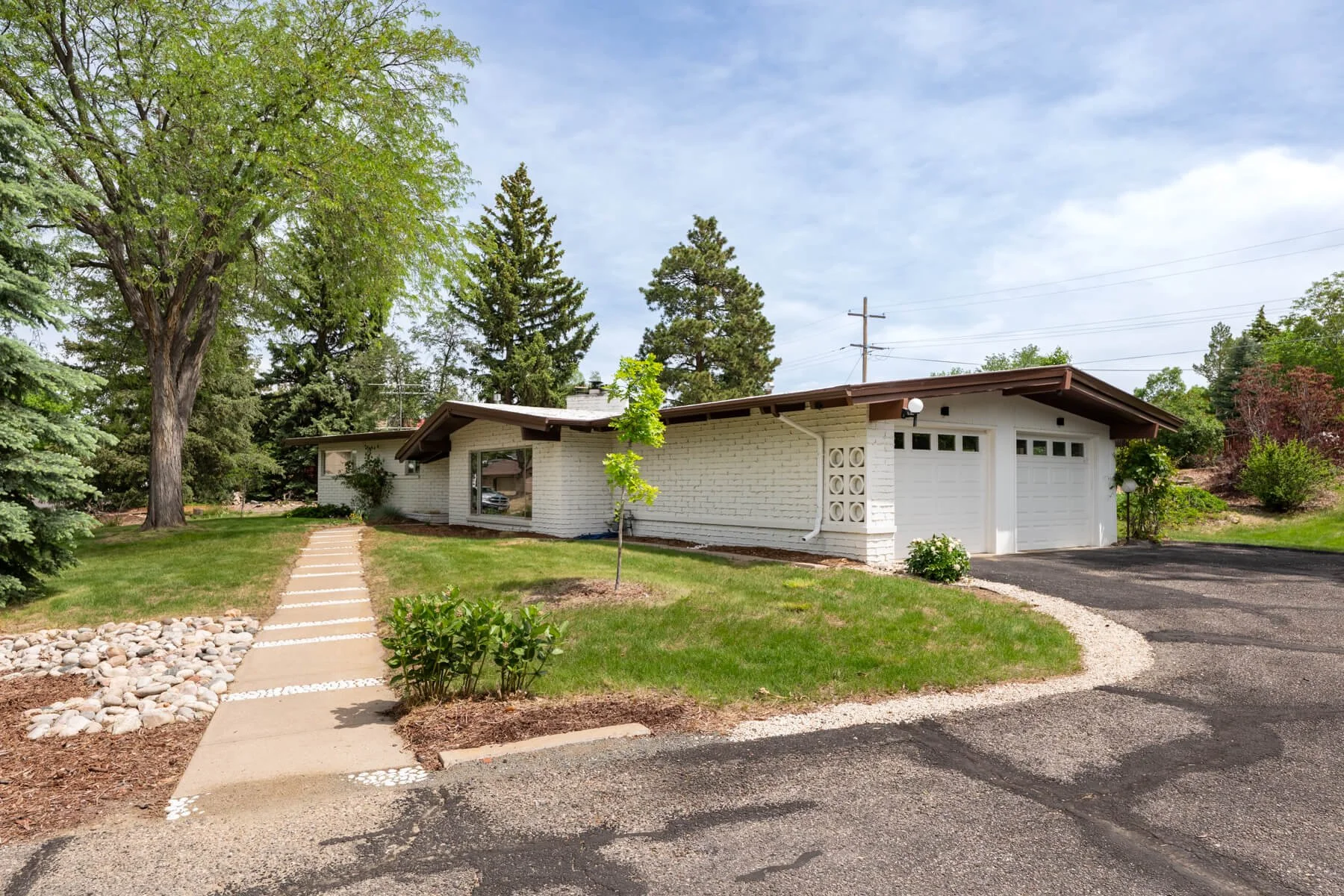
The McCallin-Kulish House is an outstanding example of the work of Joseph G. (Gerry) Dion. Born May 21, 1921, in Lowell, Massachusetts, Dion graduated high school in 1939 at the beginning of World War II. He joined the military, serving in the 10th Mountain Division and the Army Corps of Engineers. After the war, Dion came to Denver to study at the new University of Denver School of Architecture and Planning under noted local architect Eugene Sternberg. After graduating in 1951, Dion went to work for Edward Hawkins, the developer of Arapahoe Acres. Sternberg had originally worked with Hawkins on the development (which began in 1949) but after he fell out with Hawkins over the price of the homes, Hawkins brought in Sternberg’s student Dion to assist. Dion worked on Arapahoe Acres from 1951 to 1957, when it was completed. Dion, under Hawkins’ employ, designed approximately 35 (or about one quarter) of the homes in Arapahoe Acres, while Hawkins himself designed about 70 of the homes. The homes Hawkins and Dion designed followed Frank Lloyd Wright’s Usonian style. In 1998, Arapahoe Acres became the first post-World War II residential district to the listed in the National Register of Historic Places. In 1955-56, as Arapahoe Acres construction was nearing a close, Paul and Irene McCallin, residents of Arapahoe Acres, purchased a lot in the Stokes Place division of Denver just south of Cherry Creek. The McCallins hired Dion (who was also an Arapahoe Acres resident) to design a home for them at 510 South Garfield Street. In designing the home, Dion was free to design for a larger lot than typical in Arapahoe Acres. He introduced into the Usonian mix a gabled roof and vaulted ceiling design generally not used in his and Hawkins’ Usonian homes in Arapahoe Acres, but sometimes used by Wright himself in his Usonian designs, and he included a redwood-paneled two-car garage. Dion otherwise adhered to
Usonian orthodoxy, creating a unique, aesthetically pleasing, nature-blending home which distinctly contrasted, but did not clash, with the more conventional Ranch style homes then typical of the Stokes Place neighborhood. Dion’s residential career in Denver was relatively short since he focused on educational and institutional designs after forming a partnership with Stanley Morse and William Champion (also an alumnus of the University of Denver School of Architecture and Planning) in 1963. Dion’s principal works during the 1960s included Everitt Jr. High School in Wheatridge, Goddard Middle School in Littleton, Dunstan Jr. High School in Lakewood, the Houston Fine Arts Center for the University of Denver, and the Sixth Church of Christ, Scientist in Denver. In 1969, Dion moved back to his native Massachusetts, where he joined the firm of Perley F. Gilbert Assocs. Inc. in Lowell which also specialized in educational designs.
The McCallin-Kulish House showcases the changing domestic ideals and lifestyles represented in its Usonian design. The Usonian Style, as conceived and practiced by Frank Lloyd Wright from the mid-1930s to the late 1950s, constituted not only a style of residential design but also, and integrally, an invitation to a particular way of residential living. Said Wright, “The architect should strive continually to simplify; the ensemble of the rooms should then be carefully considered that comfort and utility may go hand in hand with beauty.” The Zimmermans, who hired Wright to design a house for them in New Hampshire in the late 1940s described their house as “an integrated expression of our personal way of life rather than a coldly efficient building.” A Usonian residence meant living on a single floor, always open to natural surroundings, with an open plan living area, amidst simple and unembellished spaces. Post World War II modernist developers, most notably Joseph Eichler in California’s Bay Area and, in Colorado, the Wolff family in Denver’s Krisana Park neighborhood, took up
this Usonian creed and sought to mass produce it. They met with some success, as middle-class homebuyers enjoying heightened prosperity in the 1950s became more discriminating about the types of places they wanted to make home. Eichler helped develop a desire for a new type of domestic environment through his didactic and evangelistic marketing (which the Wolffs would imitate in Denver). Eichler advertised his homes as offering “a new way of life” with “more usable living space, inside and out, than is offered in any other home” offering “rooms and patios as one living space” and nothing “spent for frills and gimmicks.” Eichler made Usonian modesty and simplicity in design, and openness to natural surroundings, a popular virtue. Wright, as he approached the end of his life, also struck a tone of evangelism about the Usonian home as a path to a better and more fulfilled life. The Arapahoe Acres development also strongly promoted Wright’s vision of a Usonian lifestyle. Advertisements for Arapahoe Acres endorsed its “low-maintenance living” featuring all the comforts of a larger home in a more compact, affordable home; quality materials; radiant heating; and garden views. In 1951, Arapahoe Acres was recognized by the Southwest Research Institute as outstanding for “its good site plan, with consideration for orientation, privacy, and variety; general architectural character, particularly the dramatic use of interior space; and for its excellent value.” The McCallin family first experienced this Usonian way of life while residents of Arapahoe Acres and then hired Dion to create their own personalized Usonian home in the Stokes Place – Green Bowers neighborhood.
Interior Photos of The McCallin-Kulish House
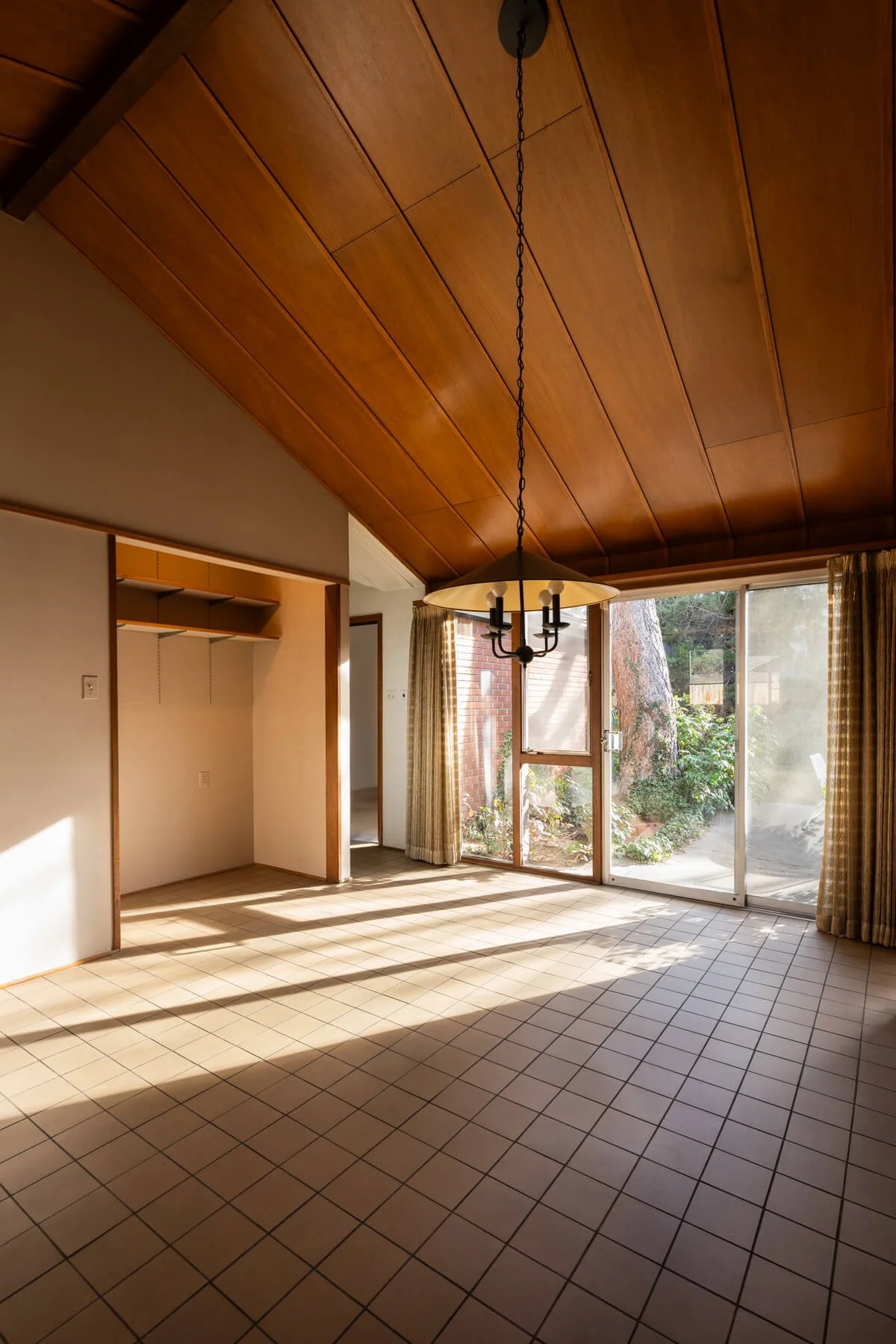
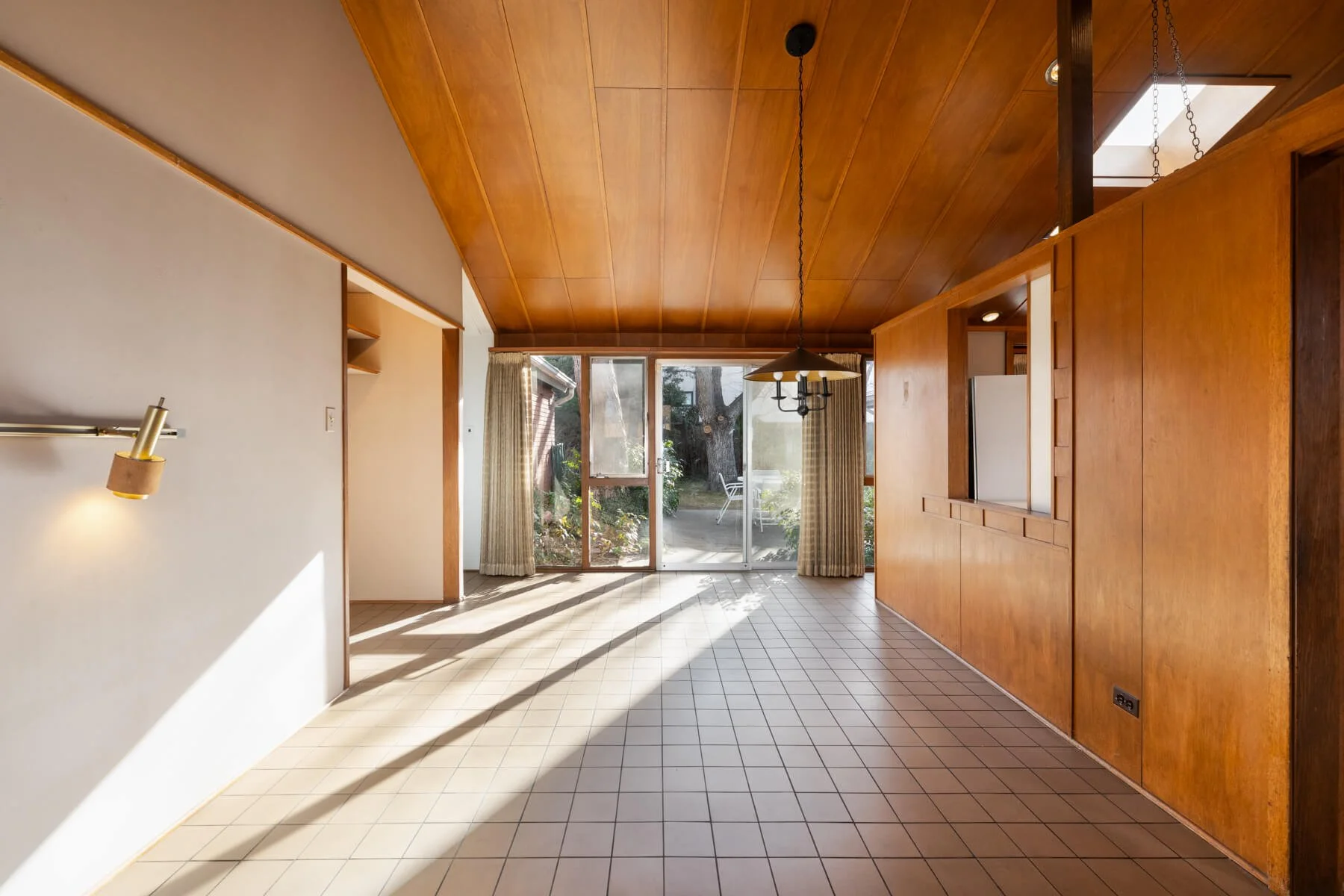
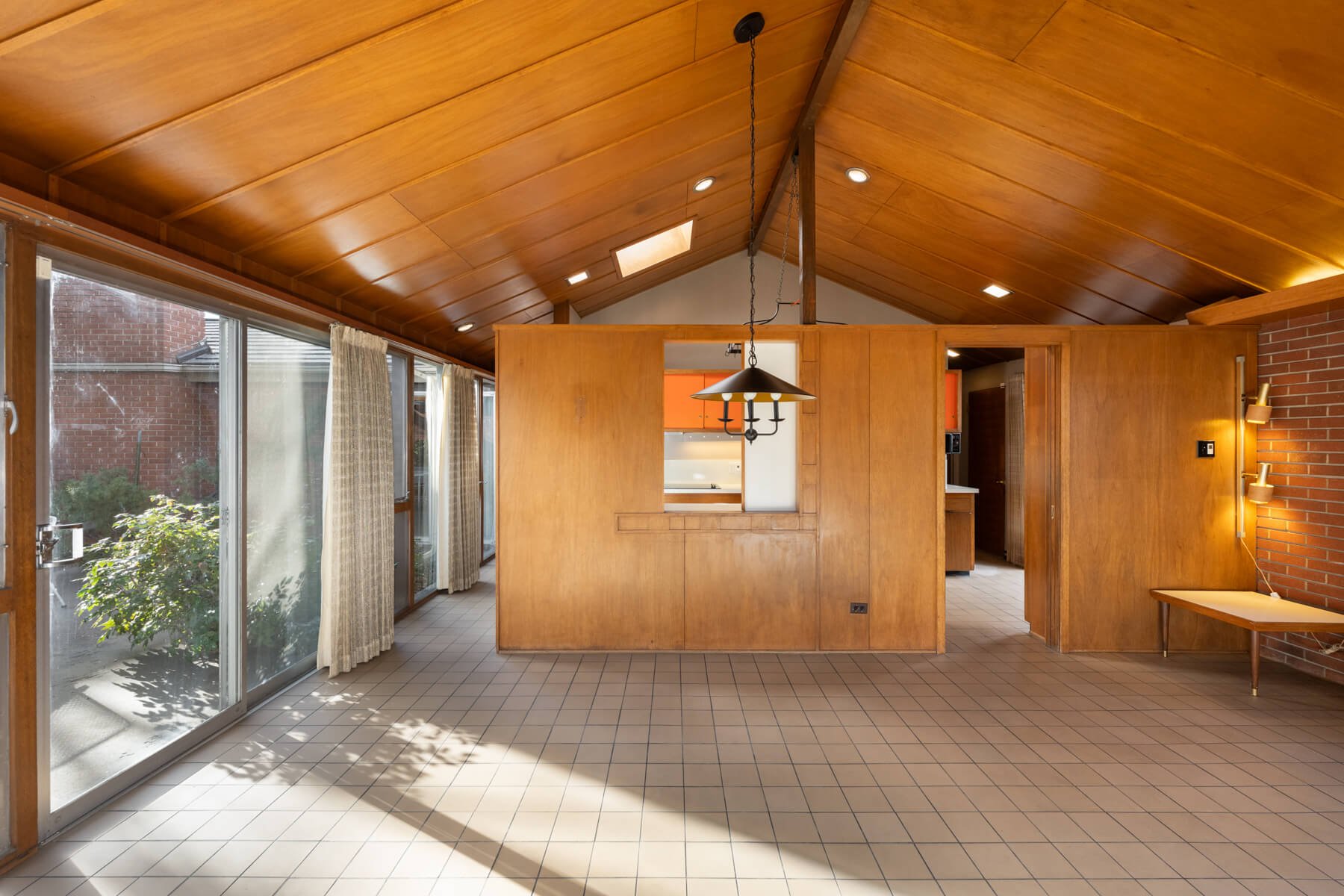
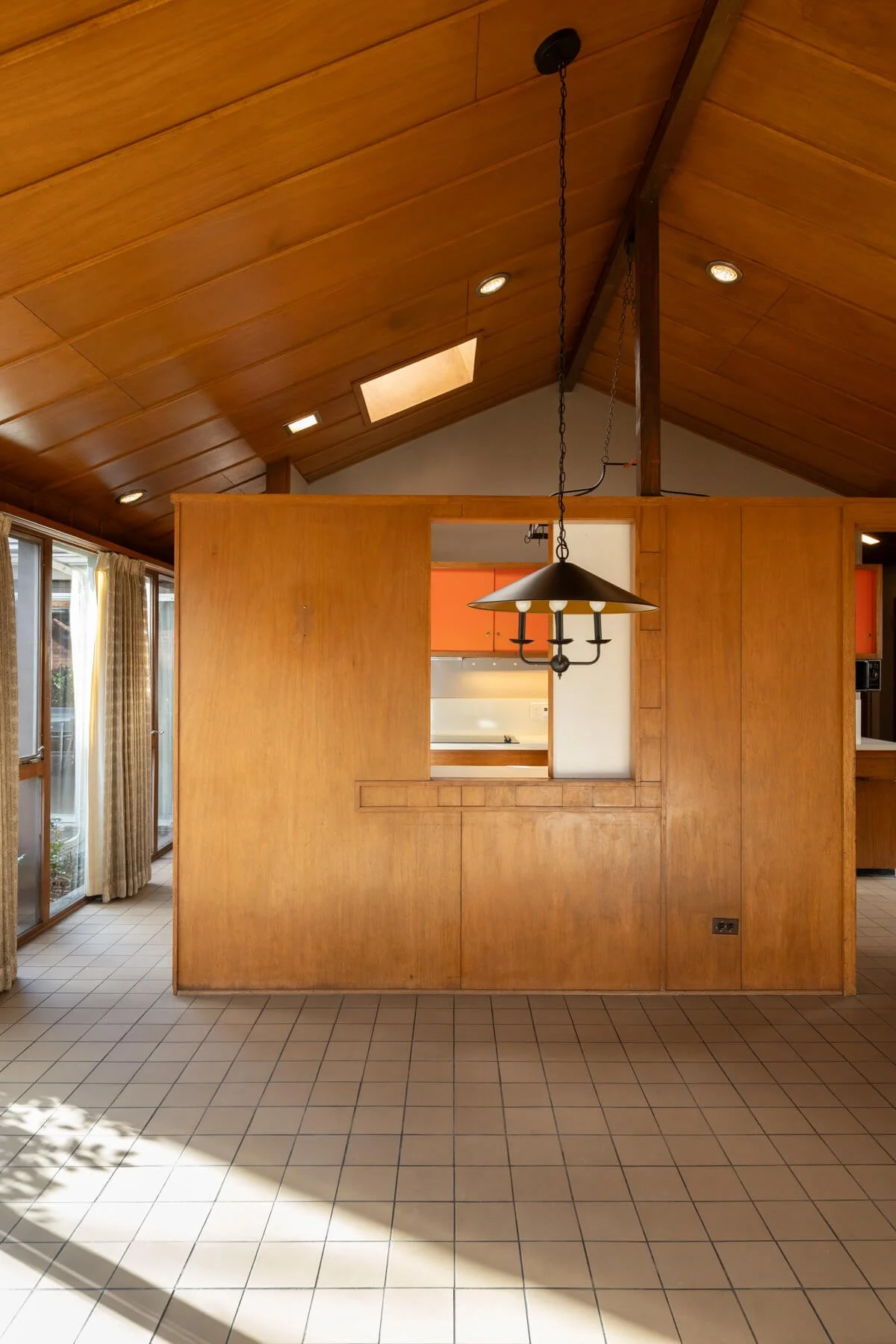
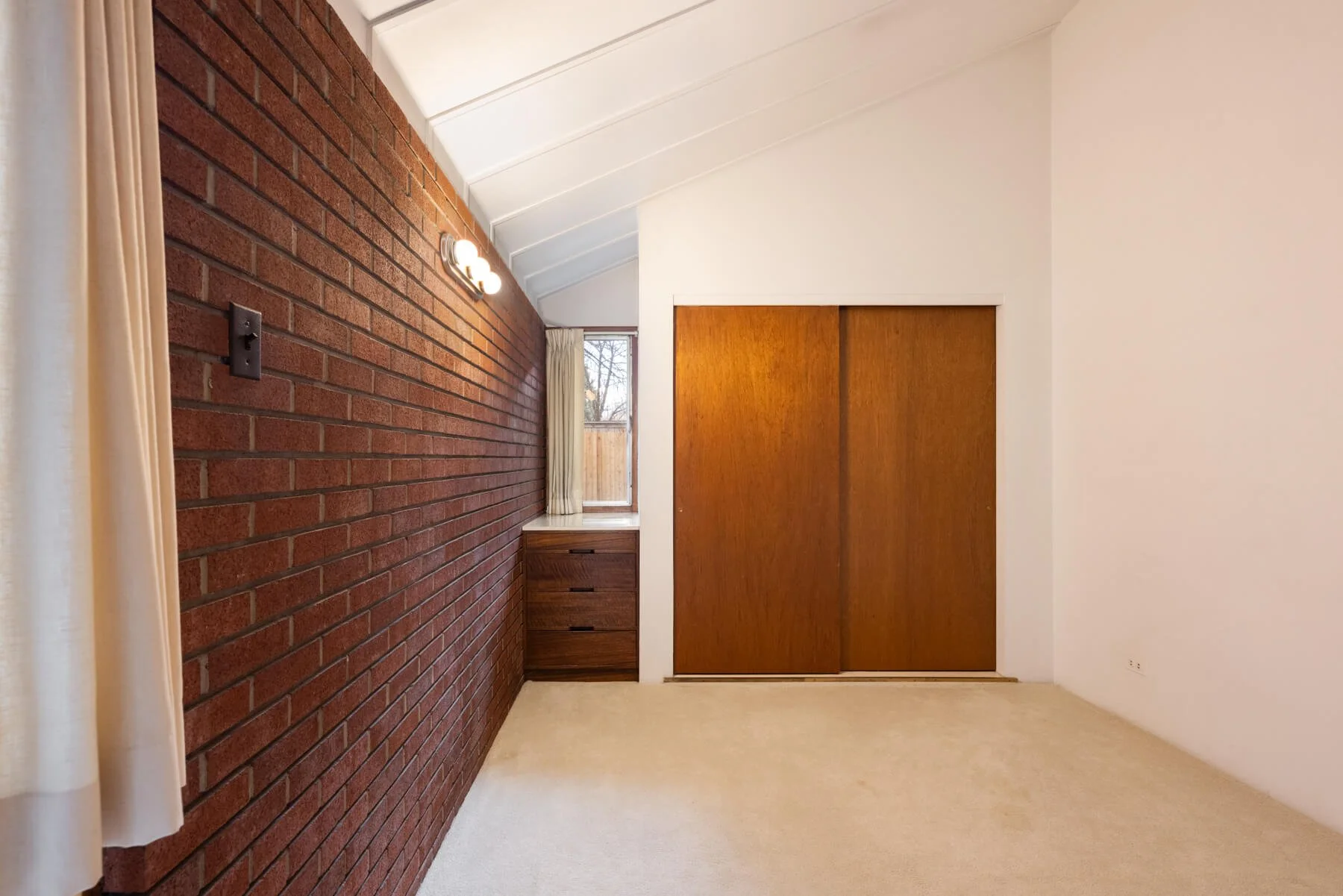
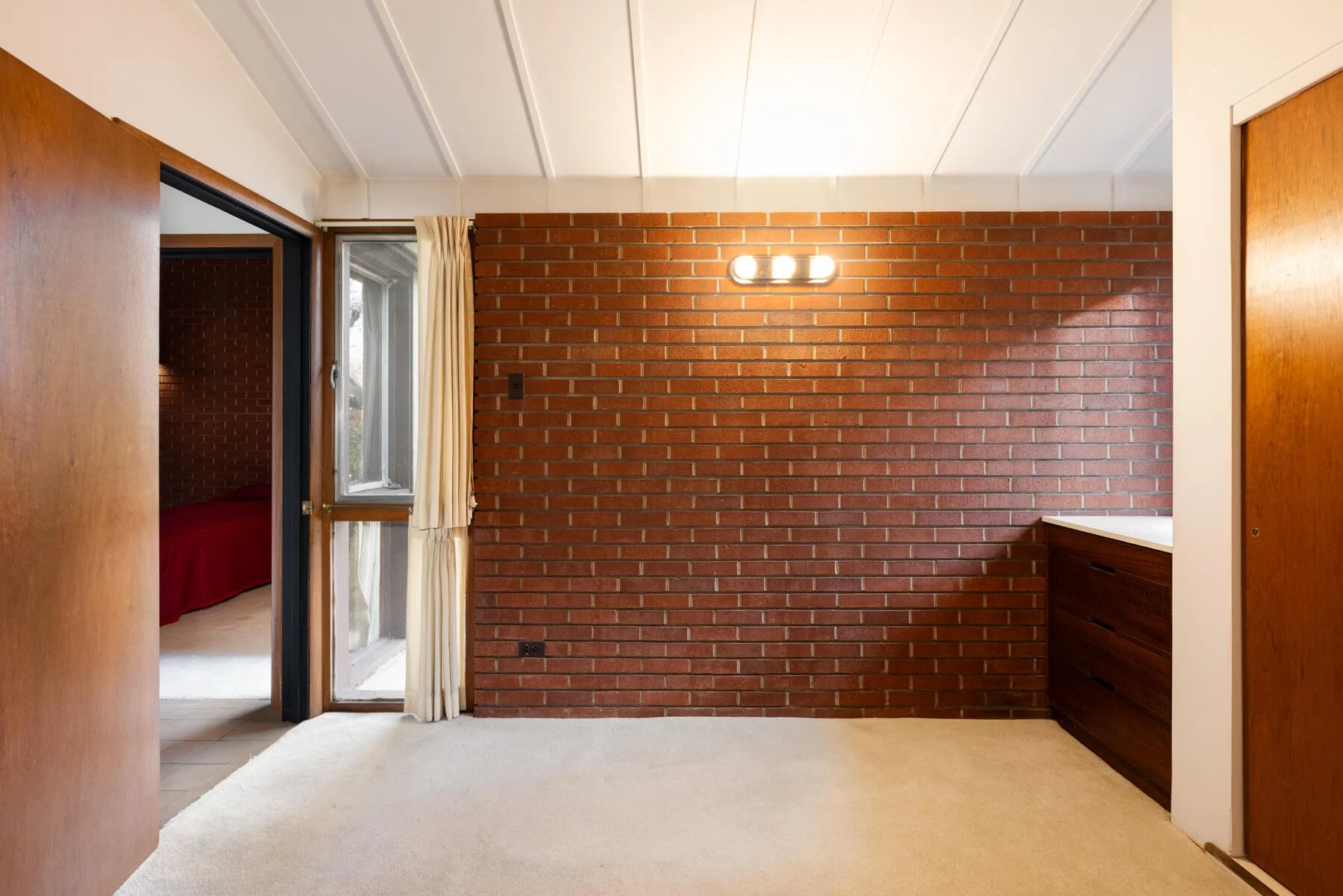

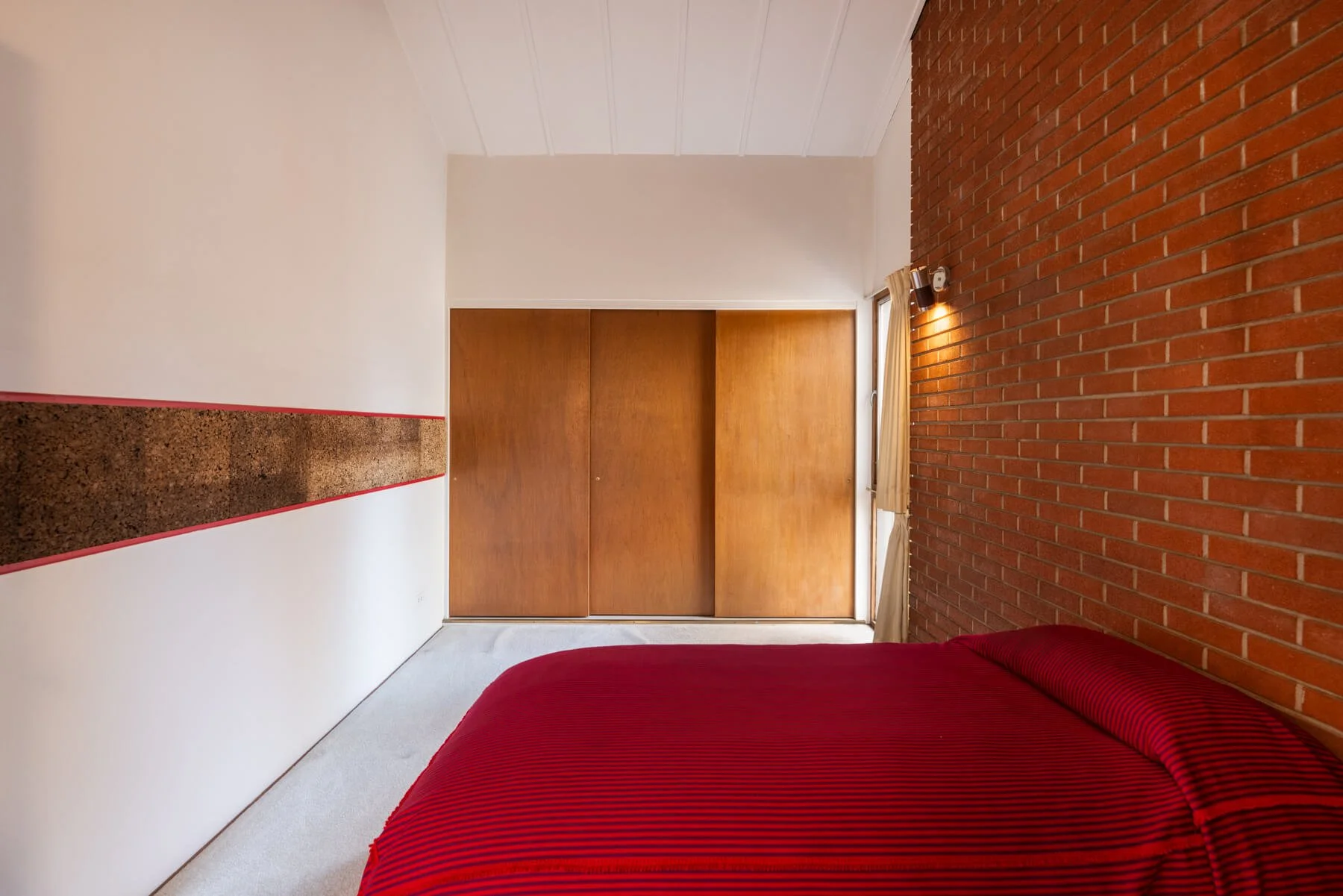
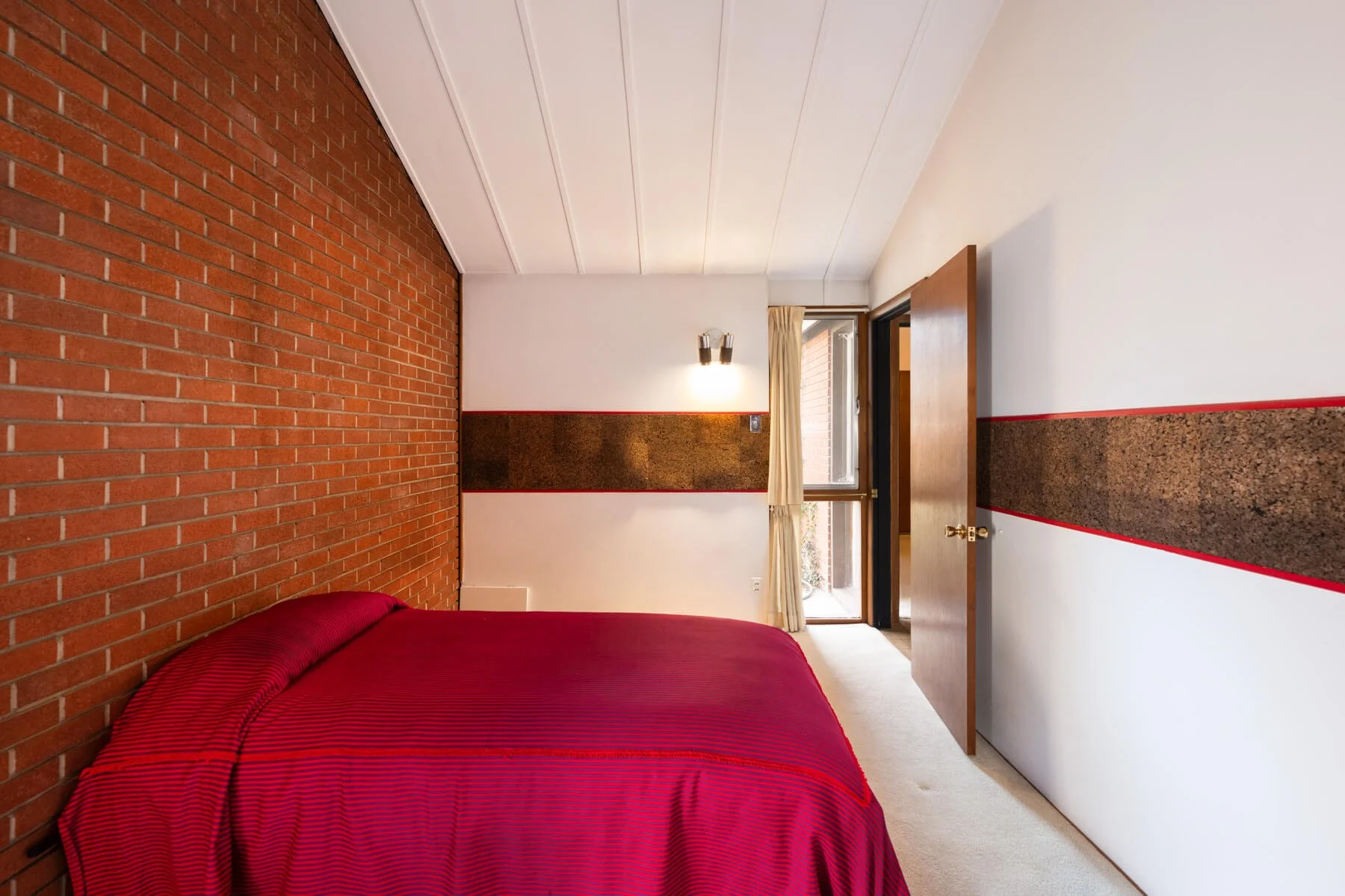
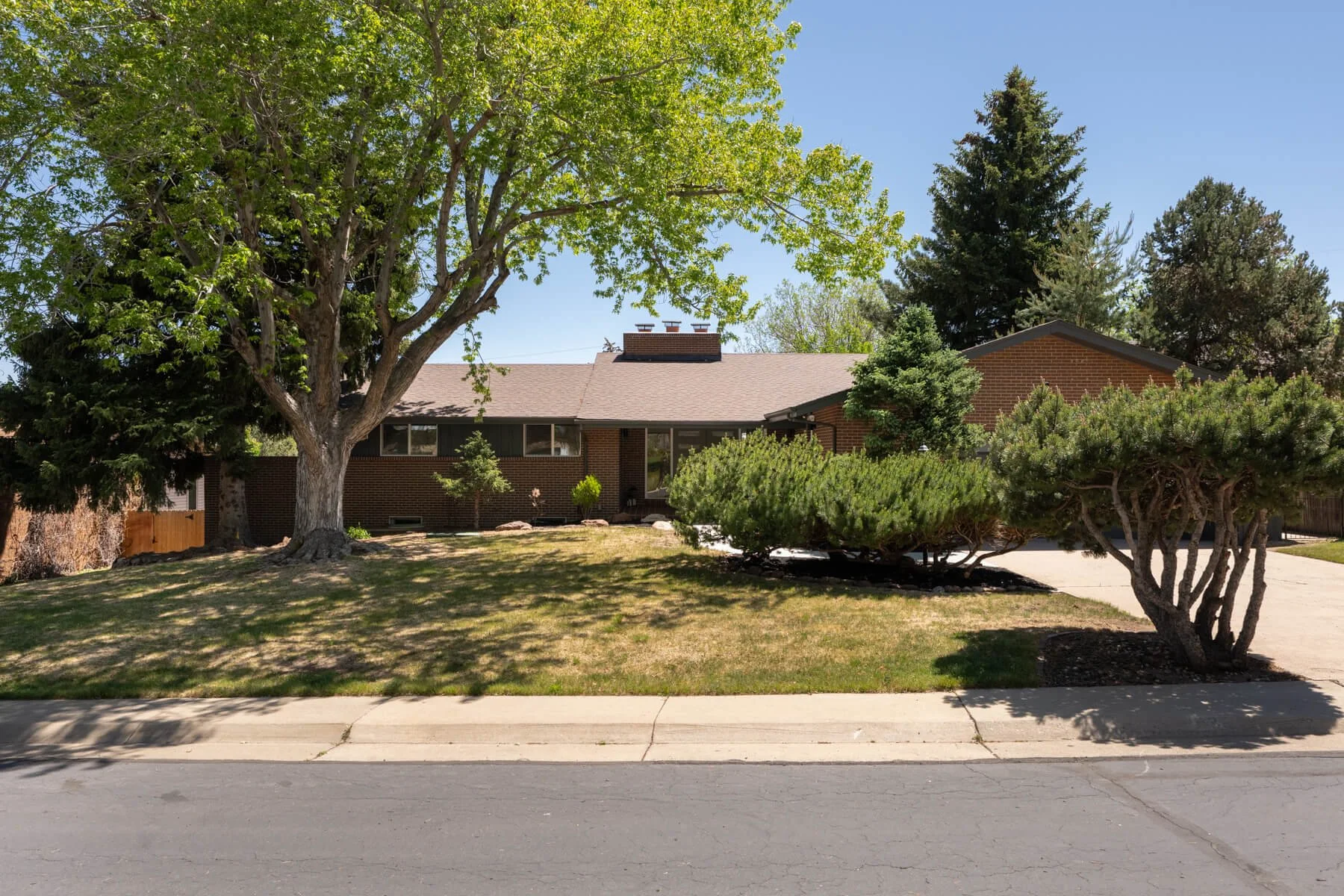
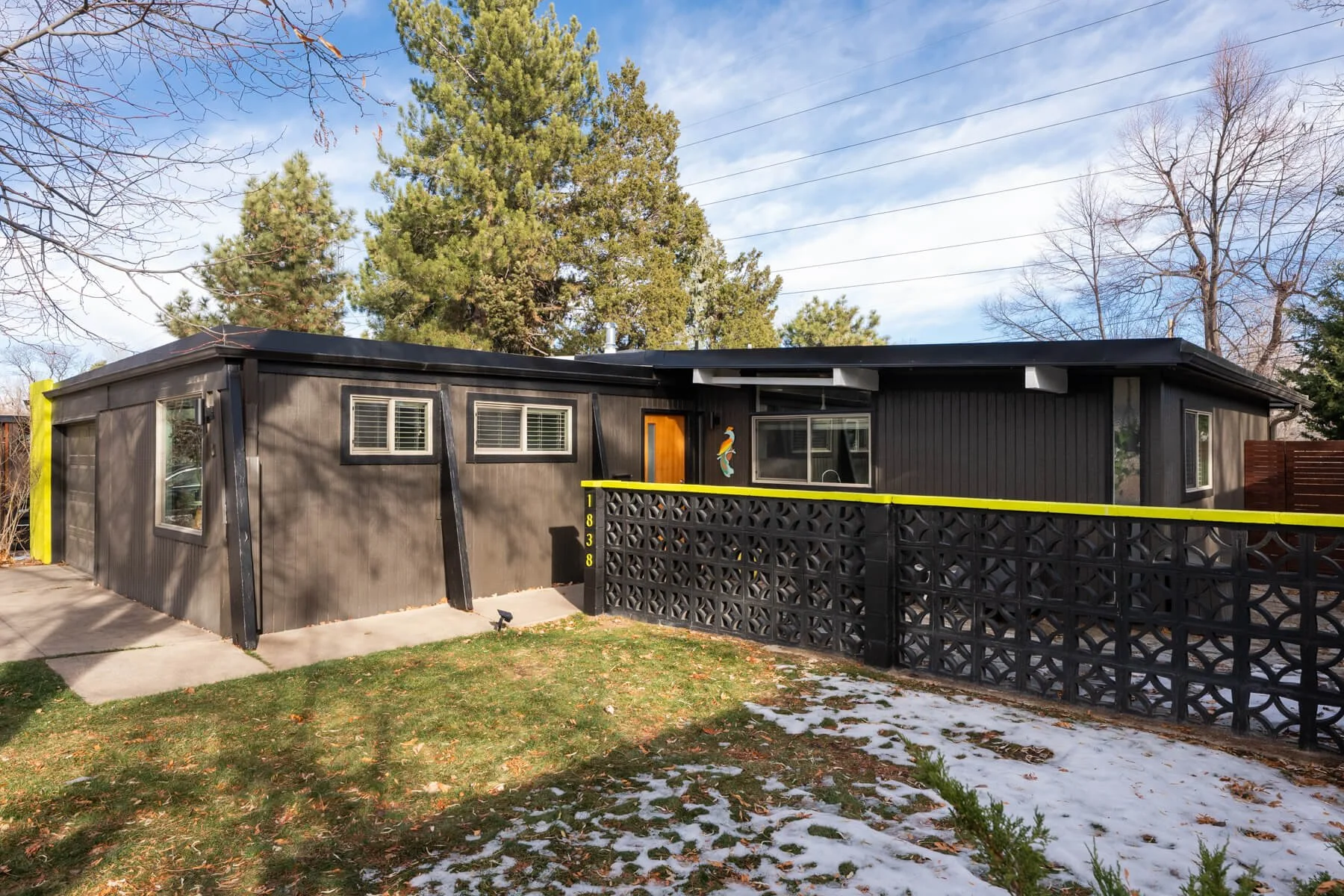
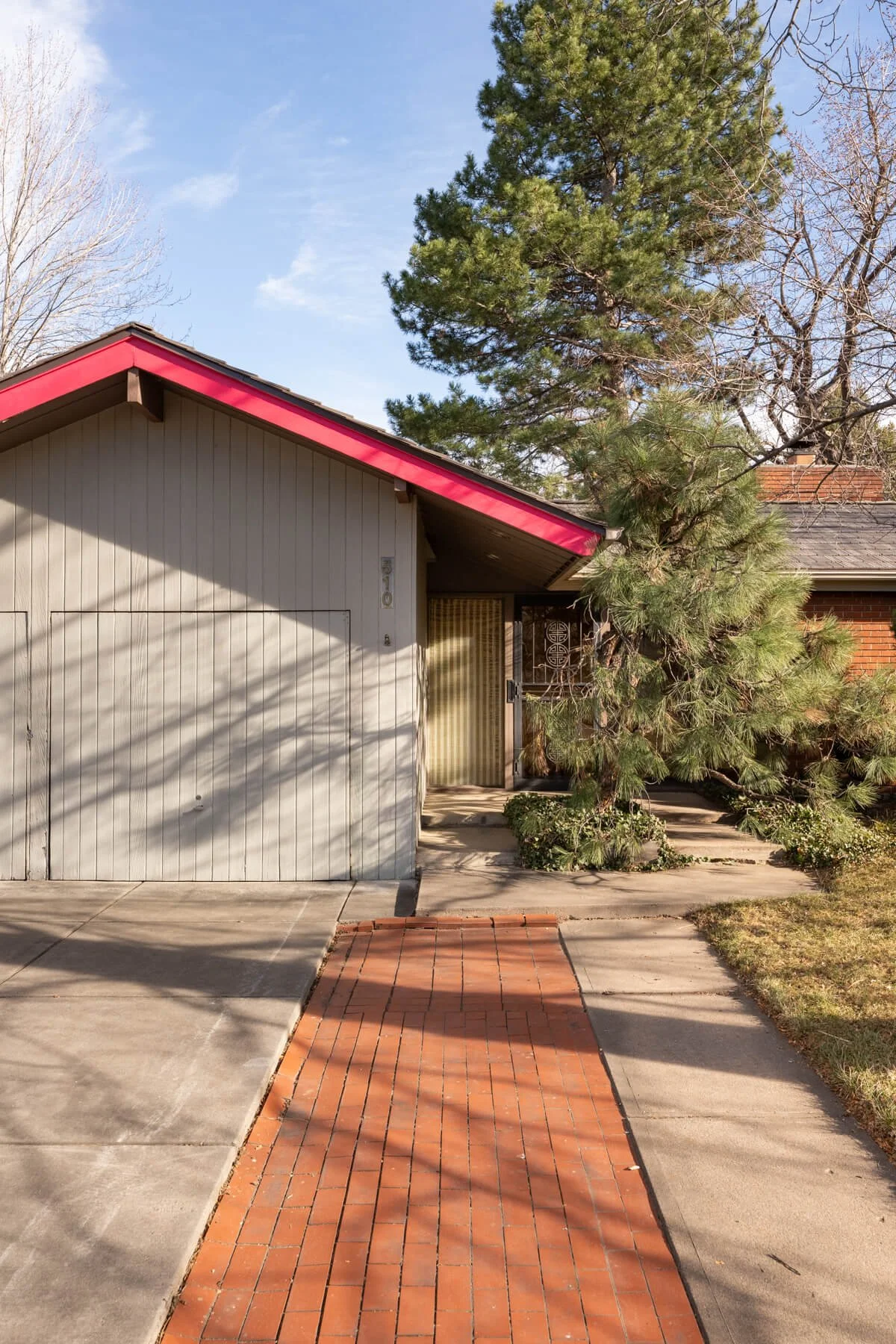
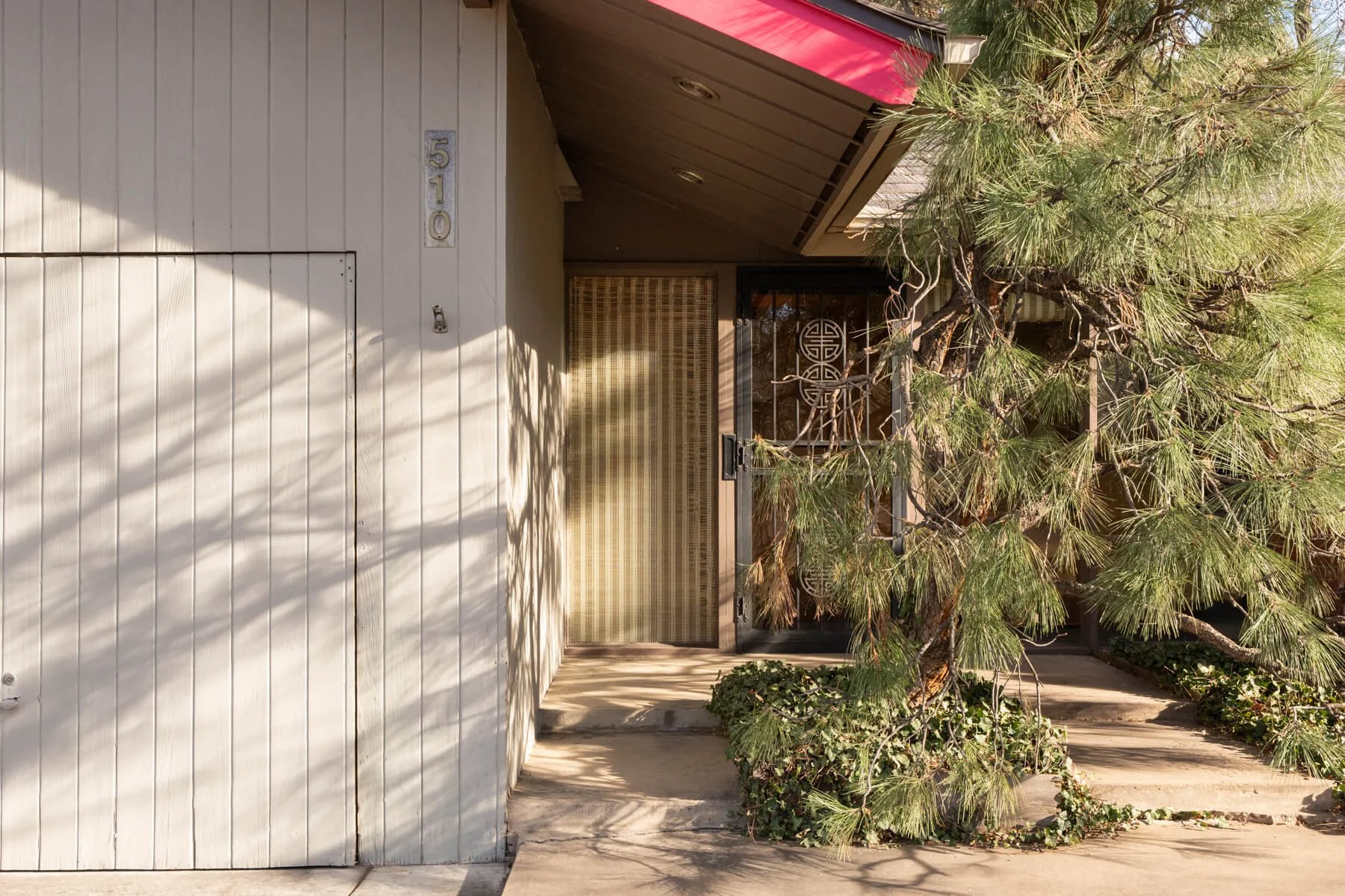
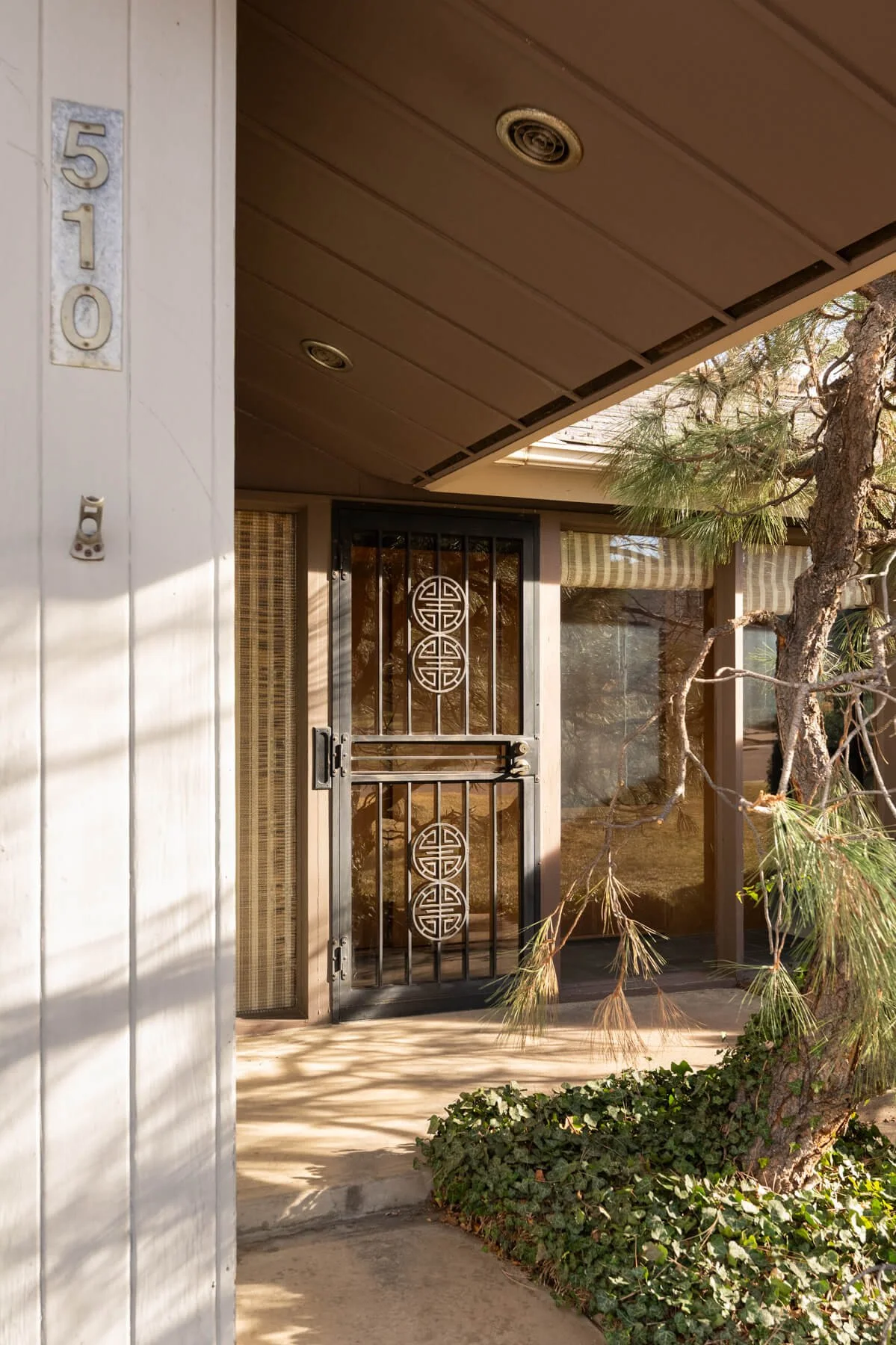
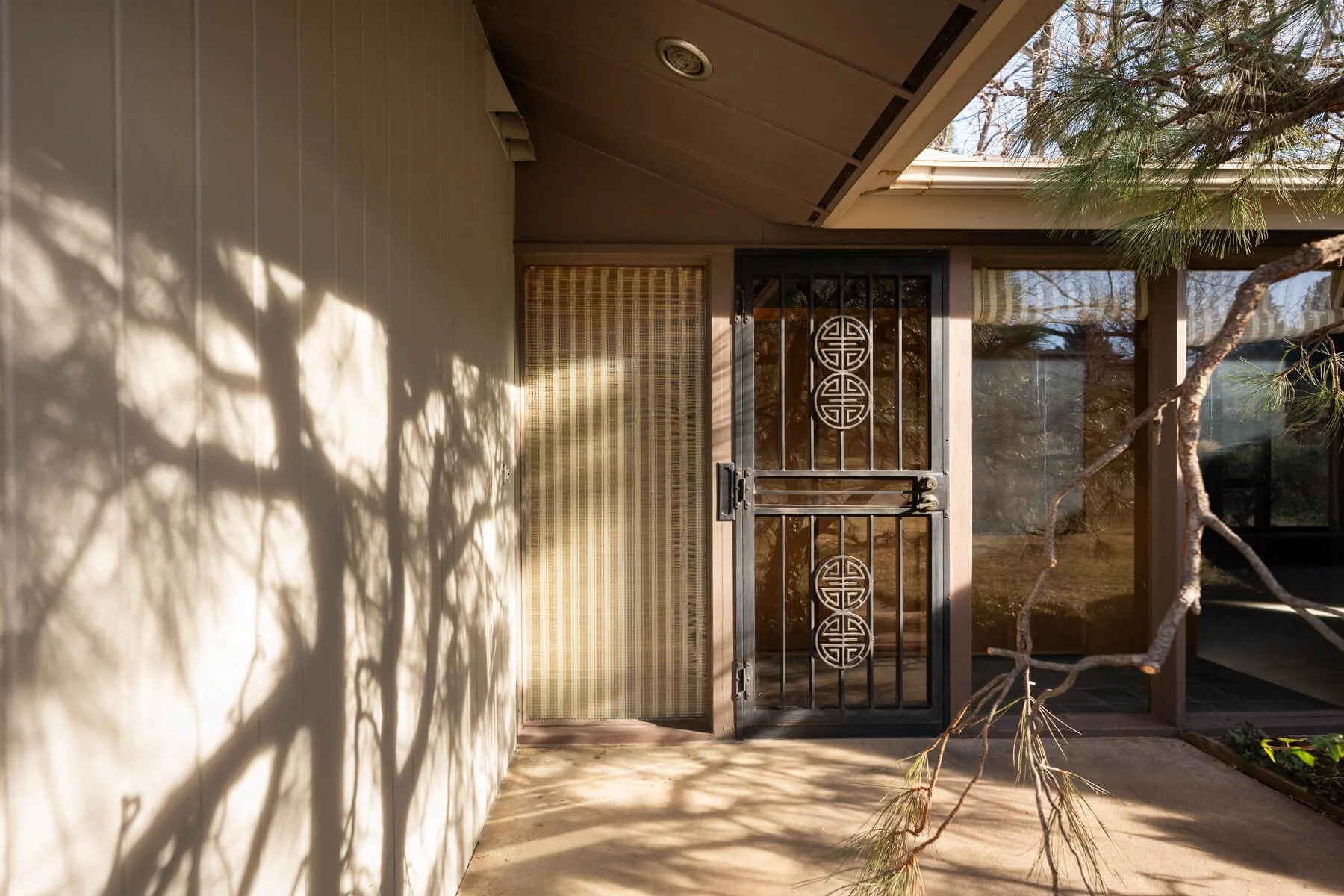
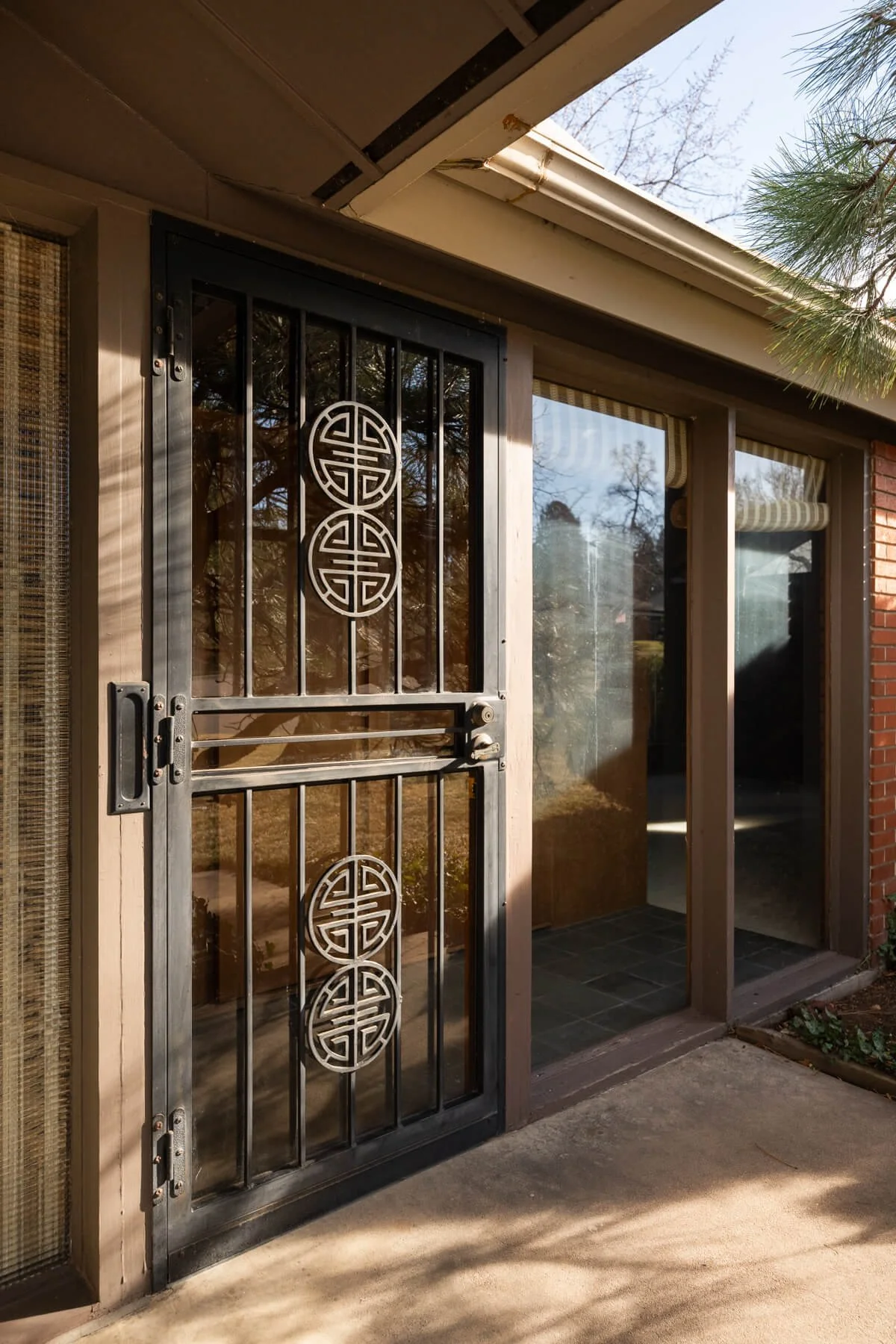
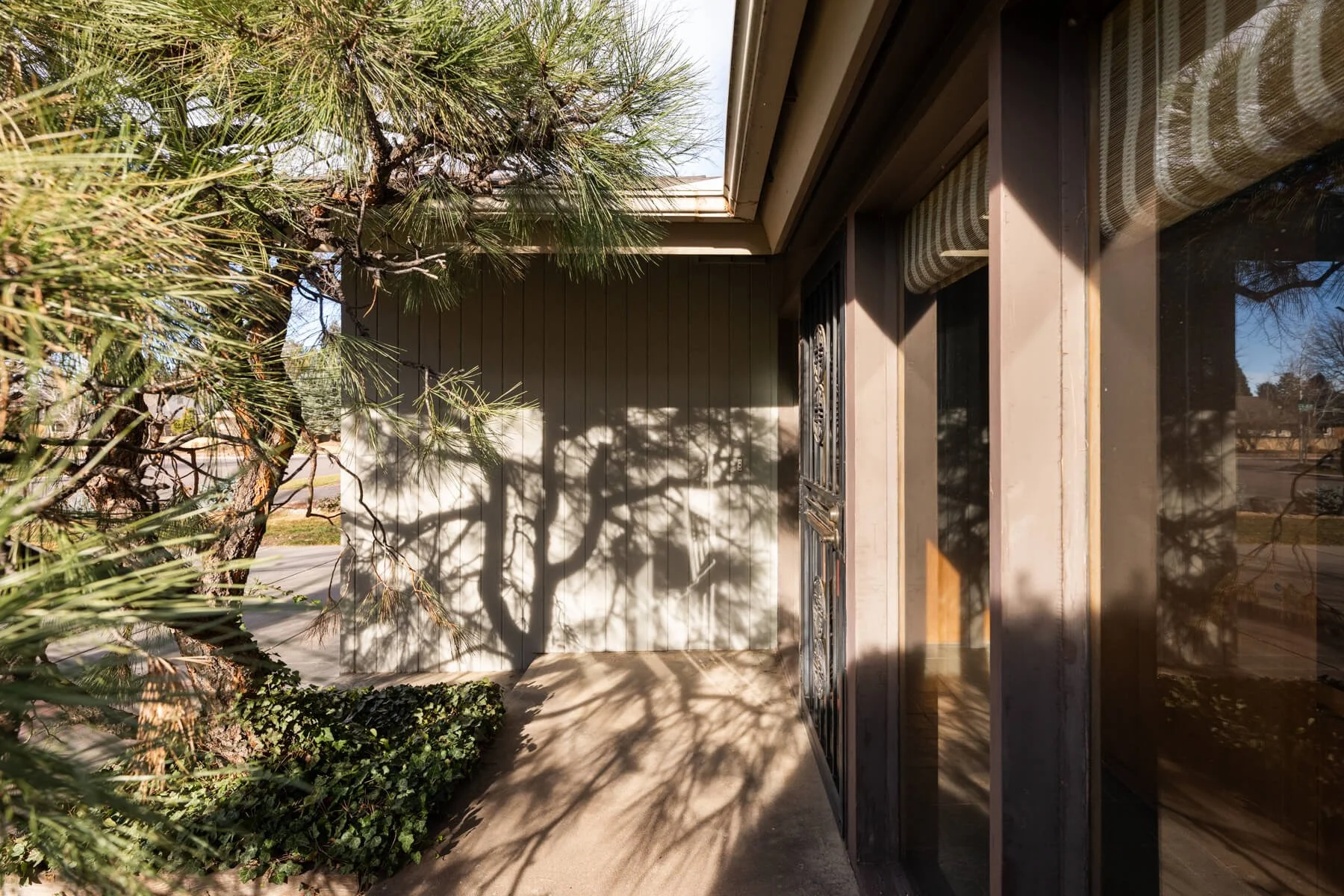
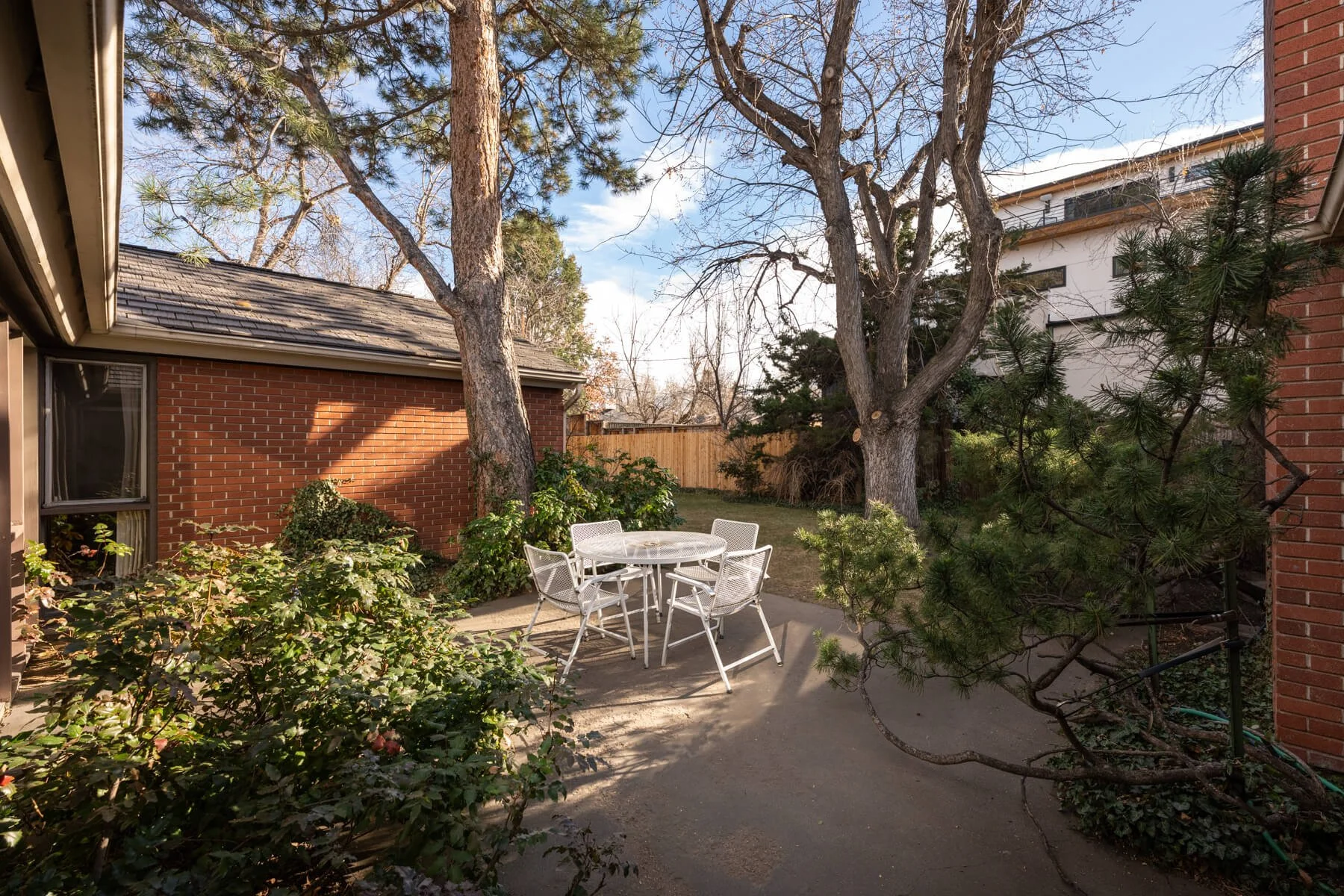
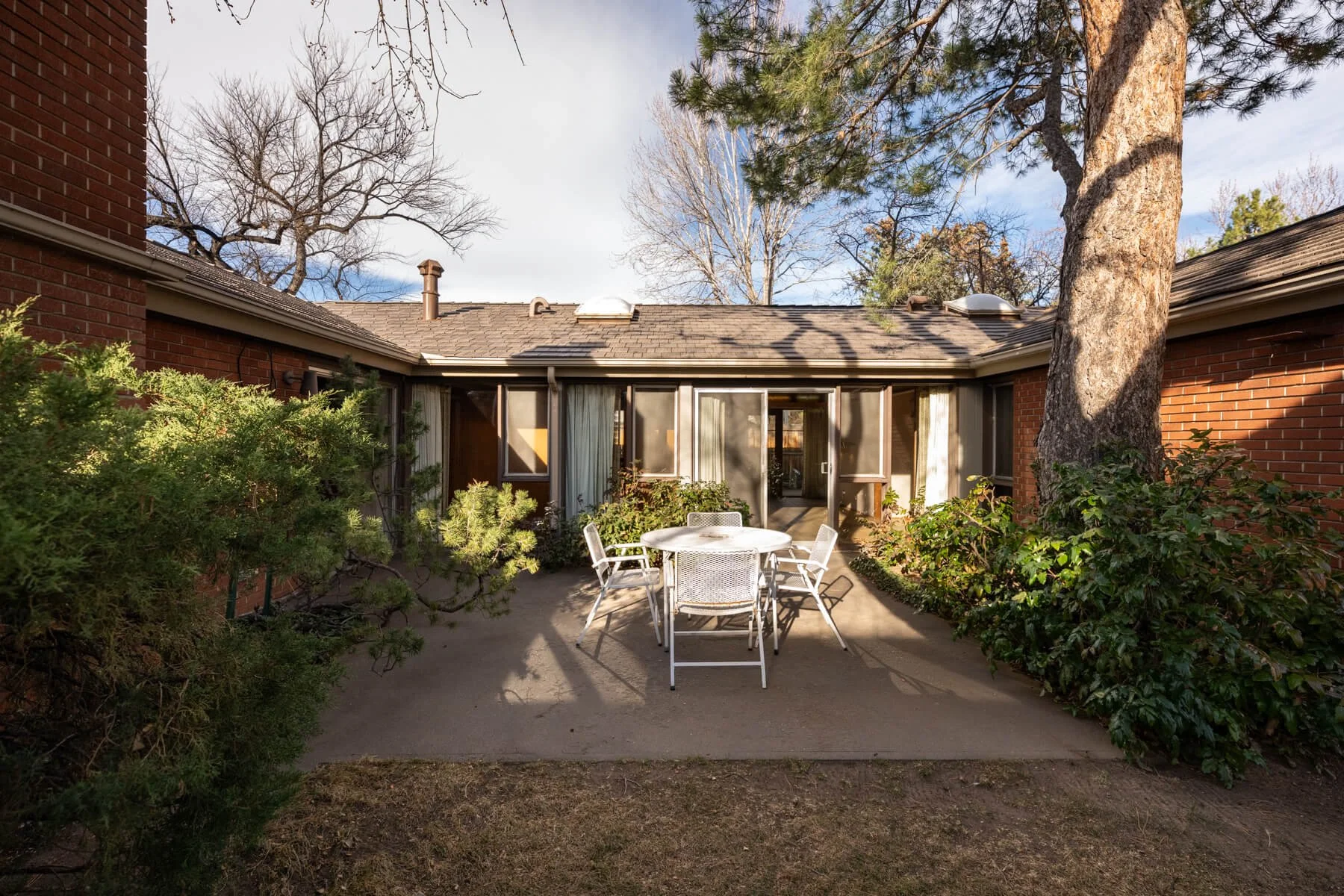
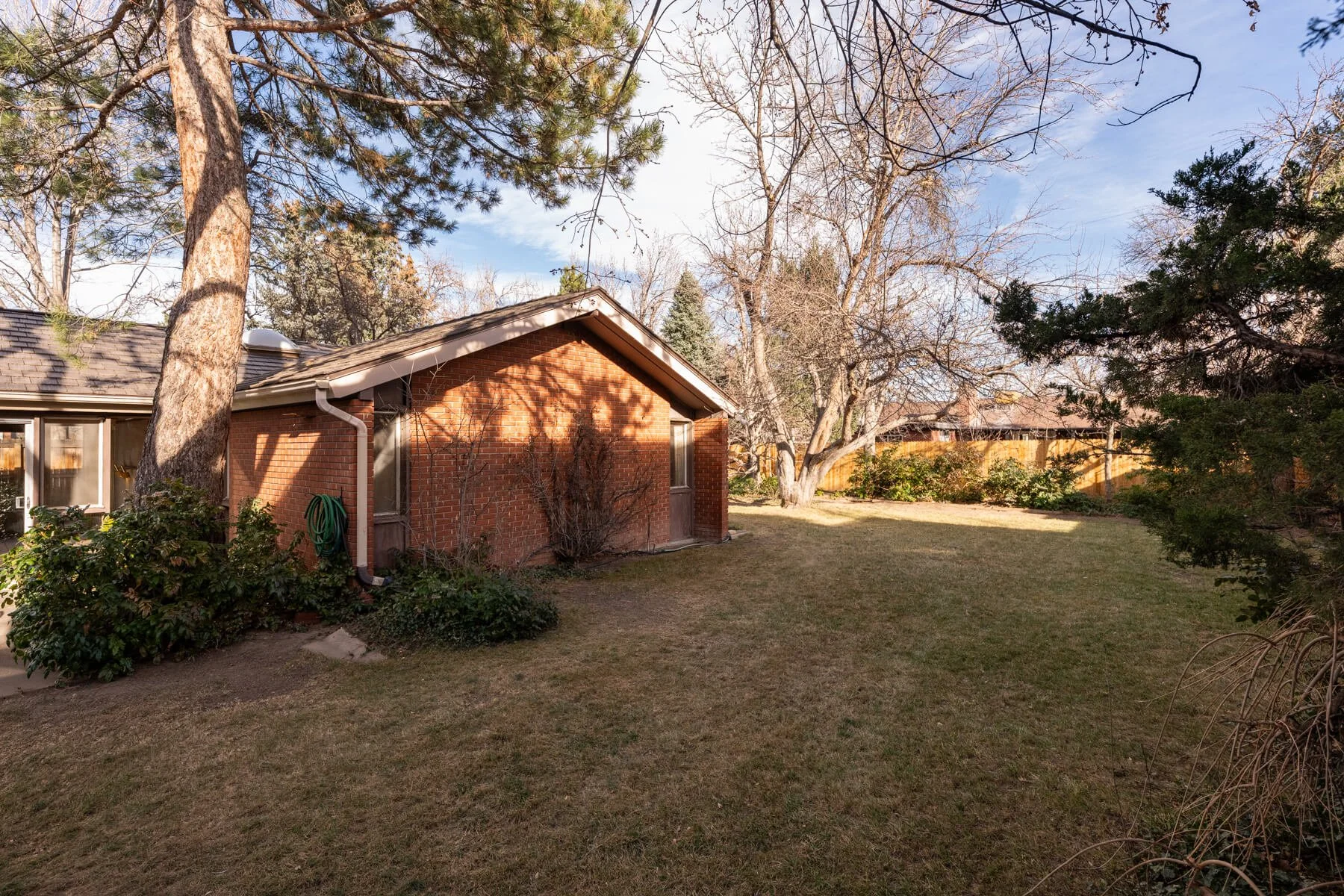
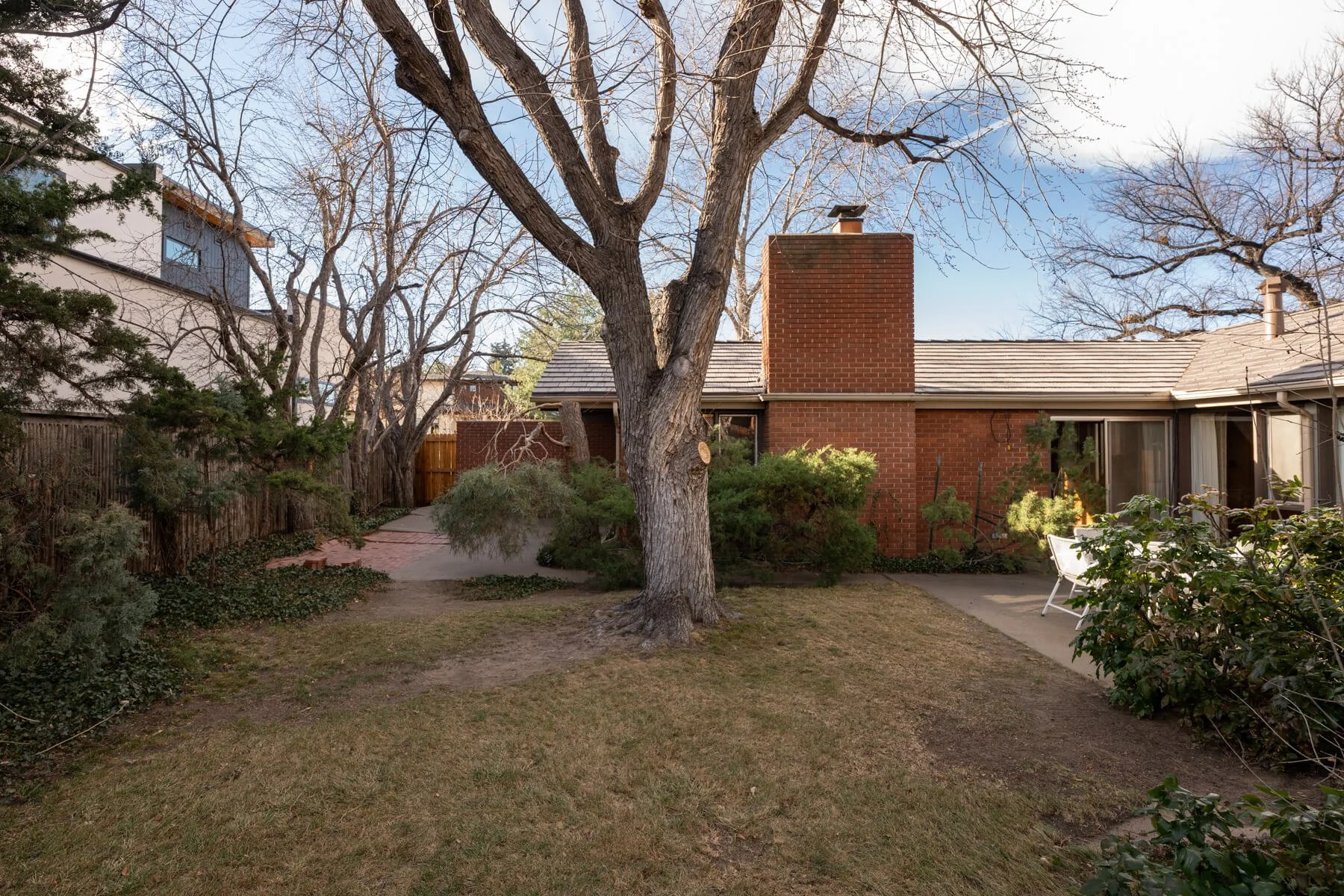
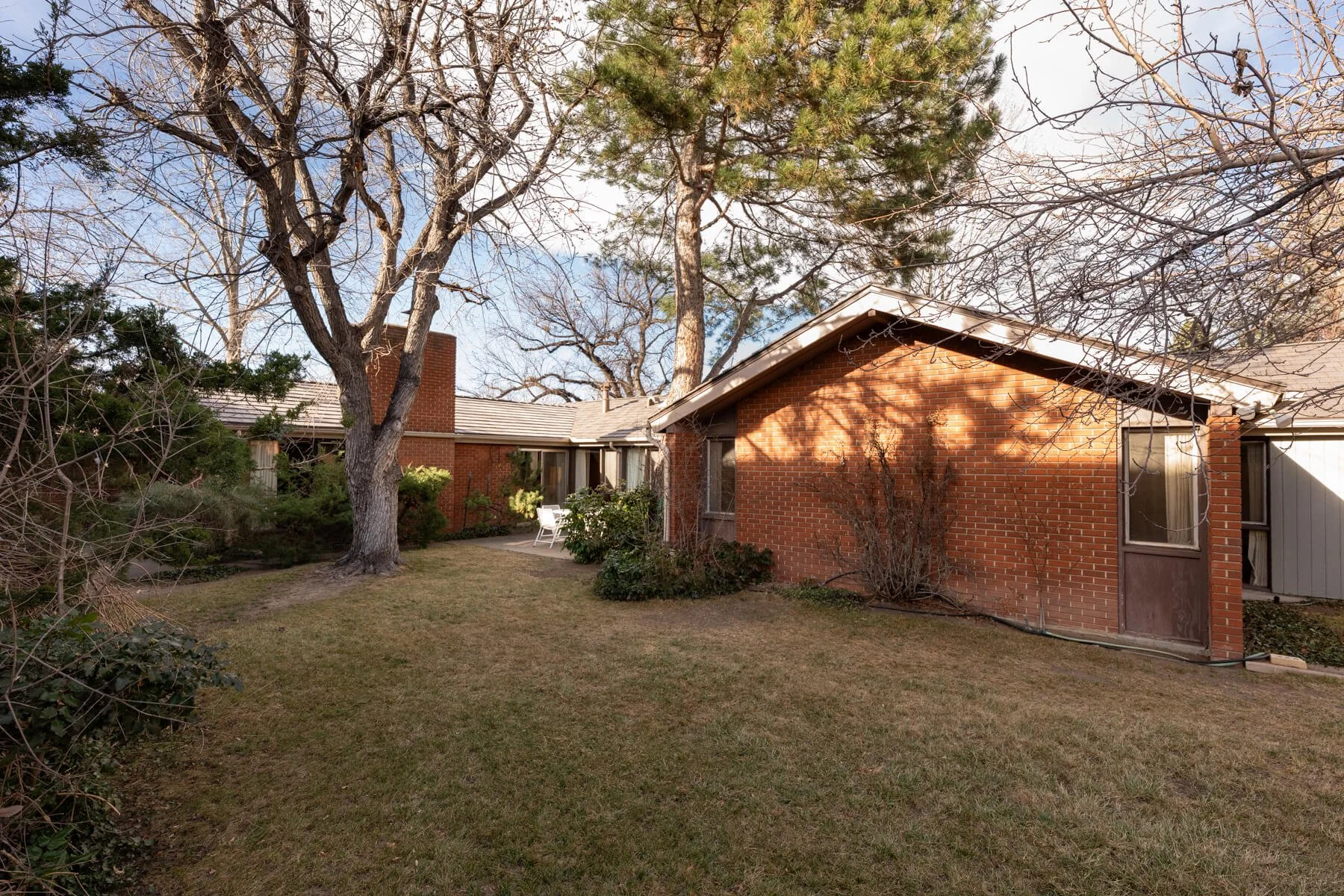
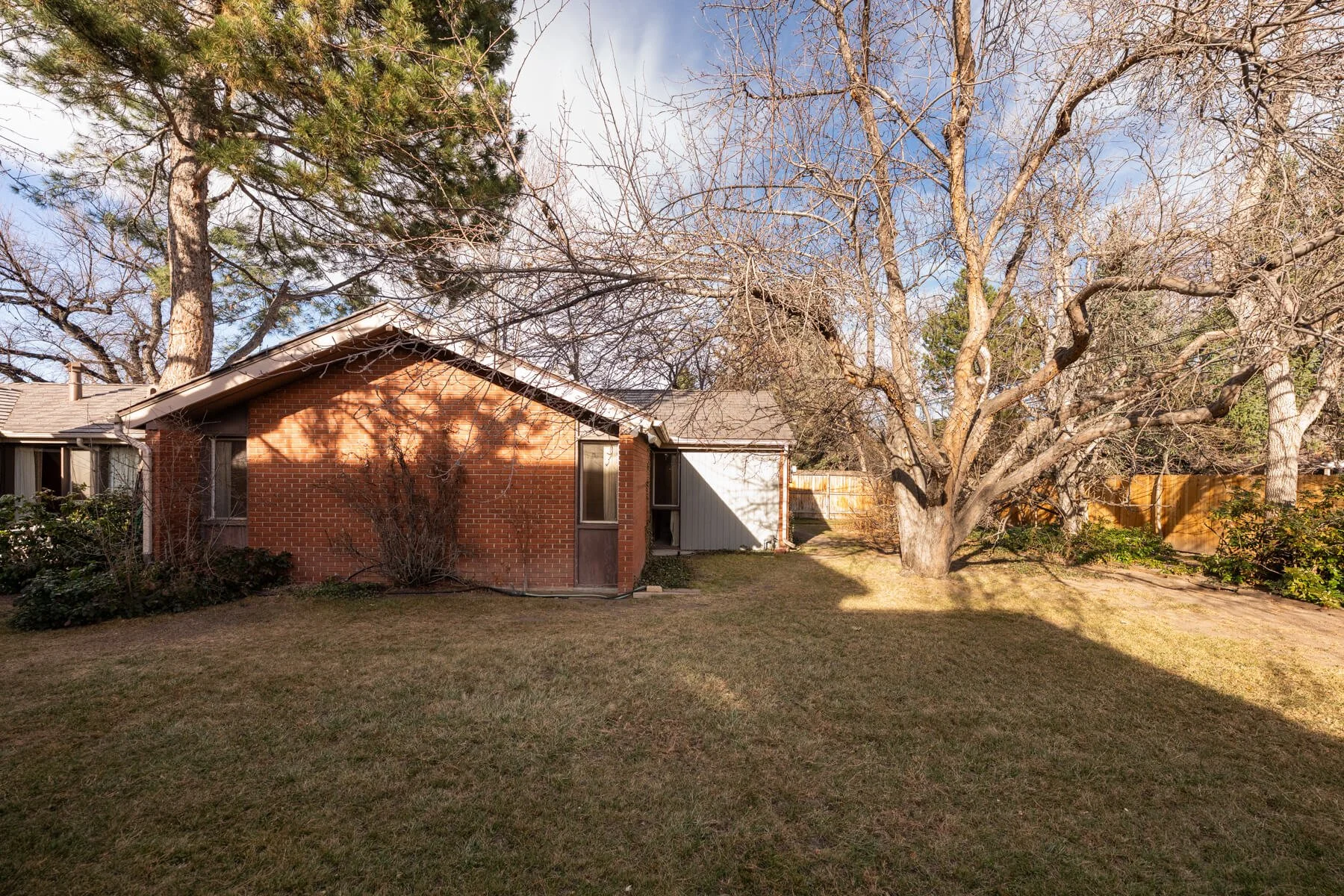
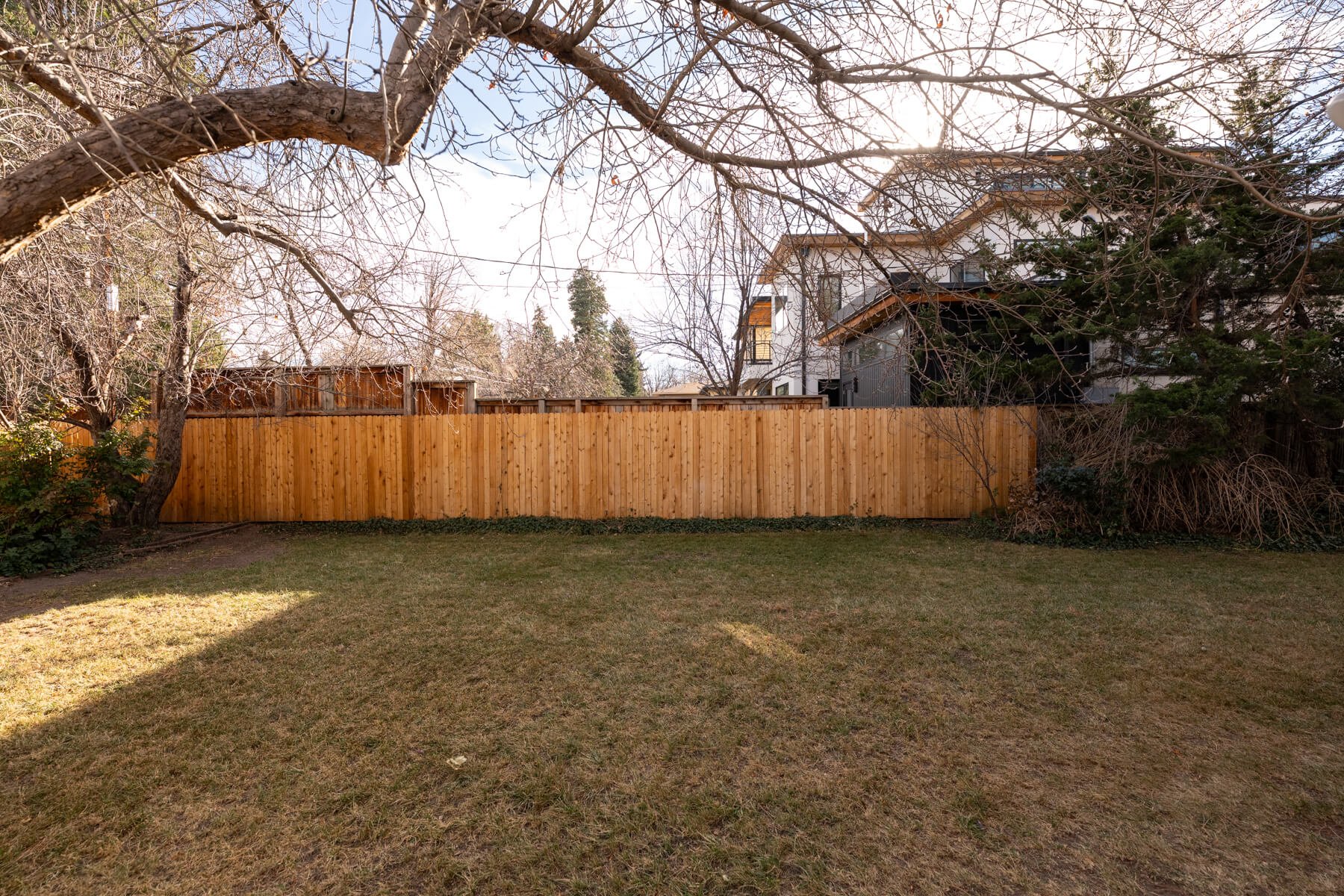
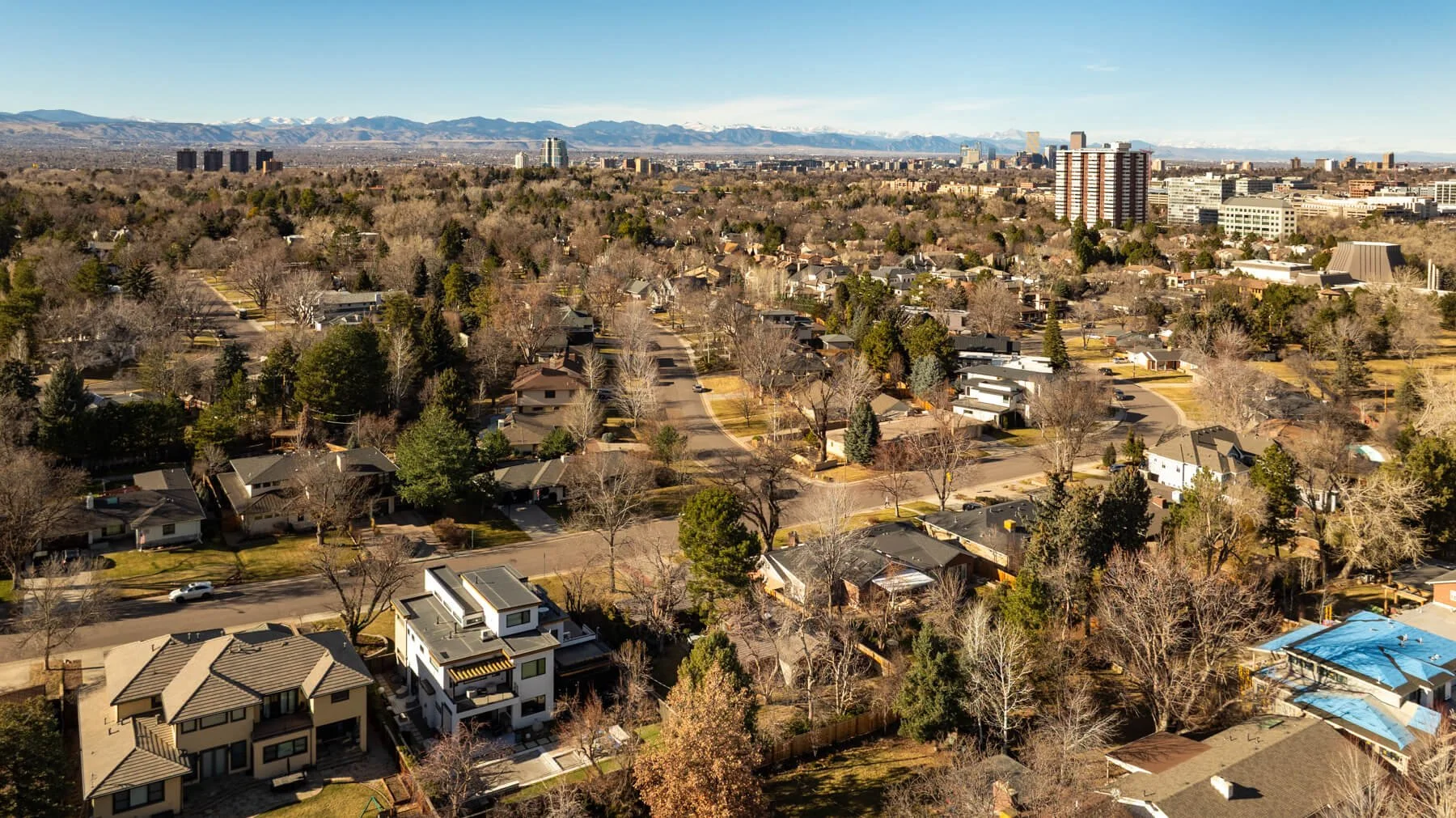
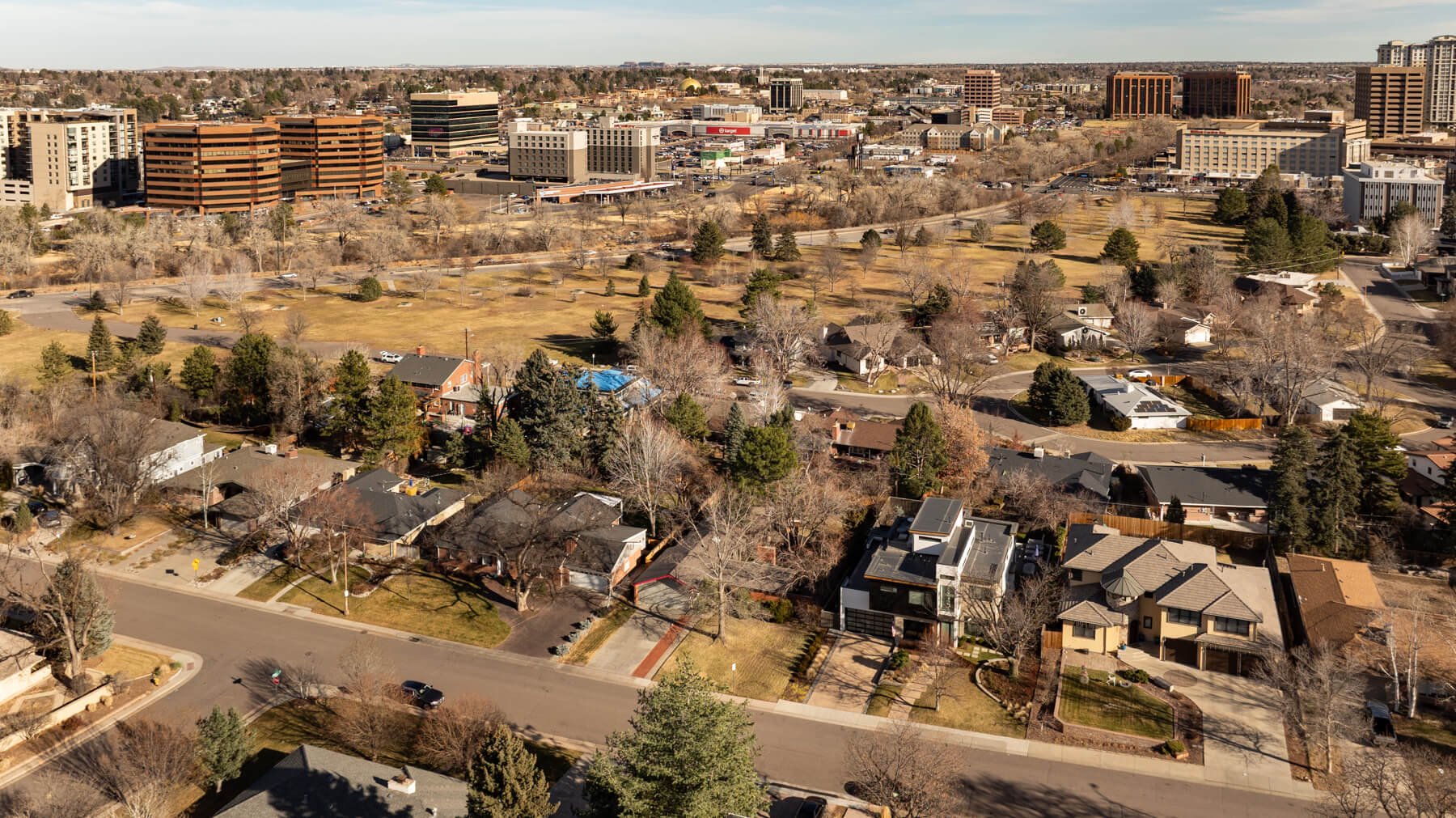
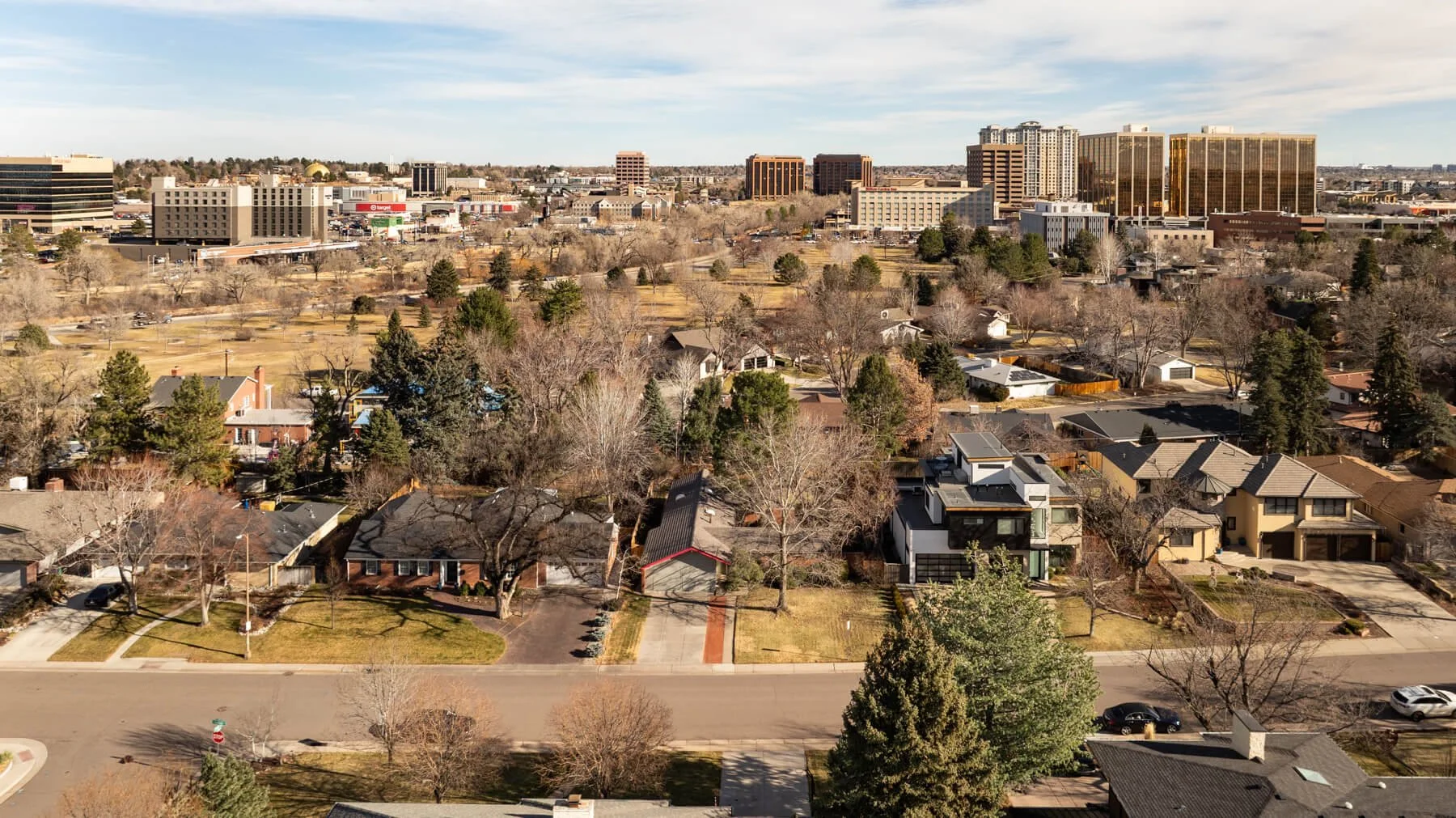
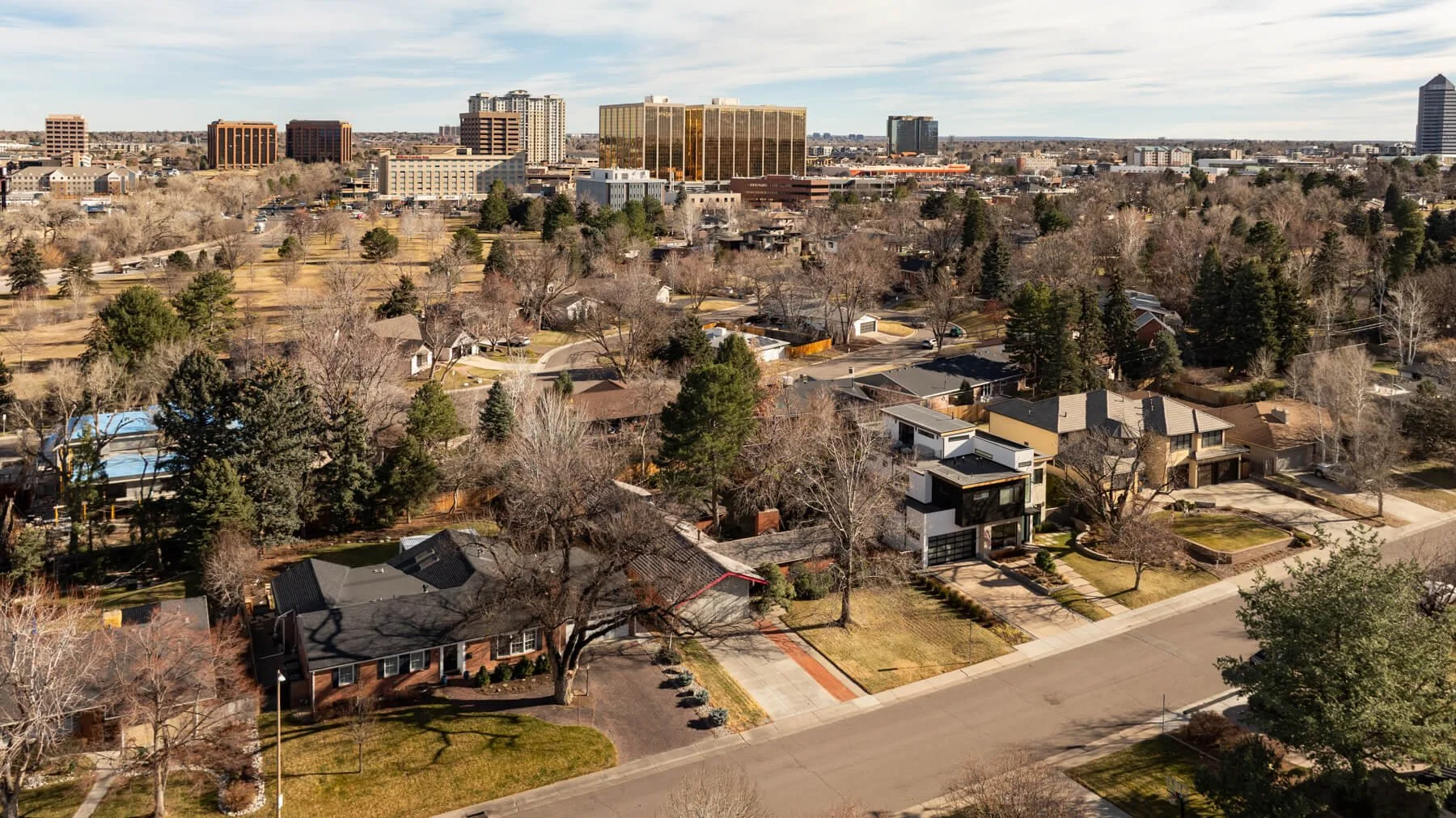
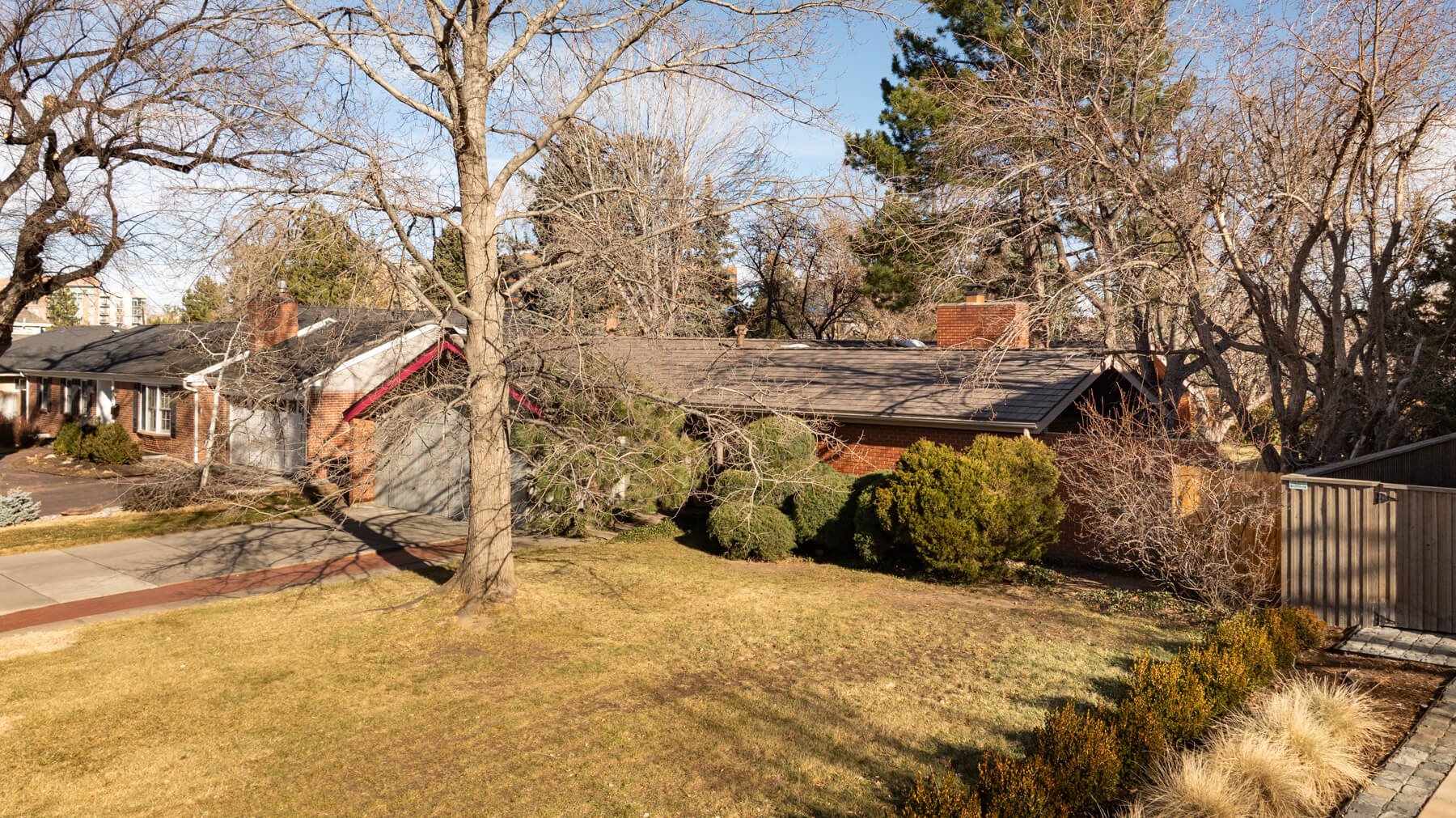
Exterior Photos of The McCallin-Kulish House
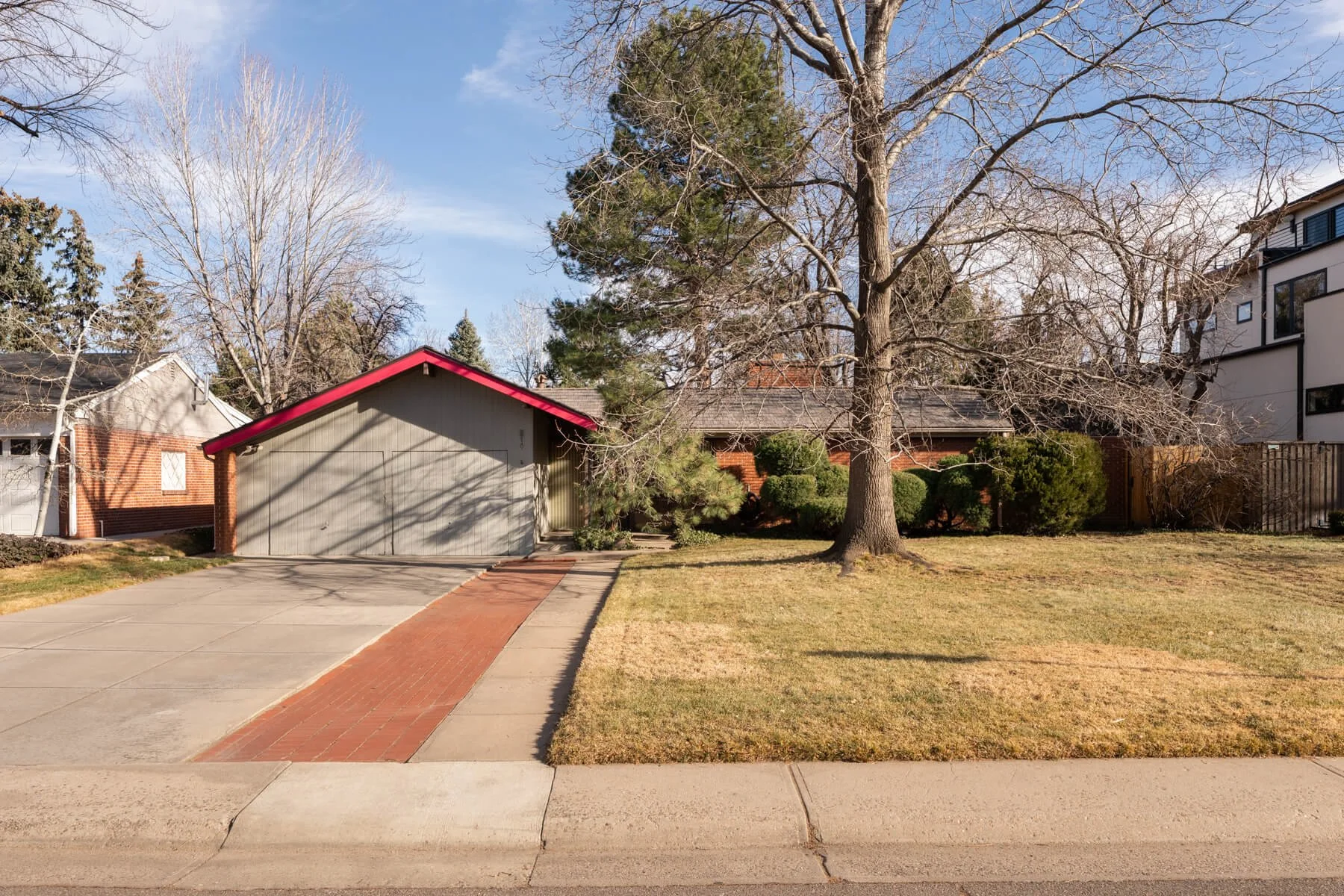
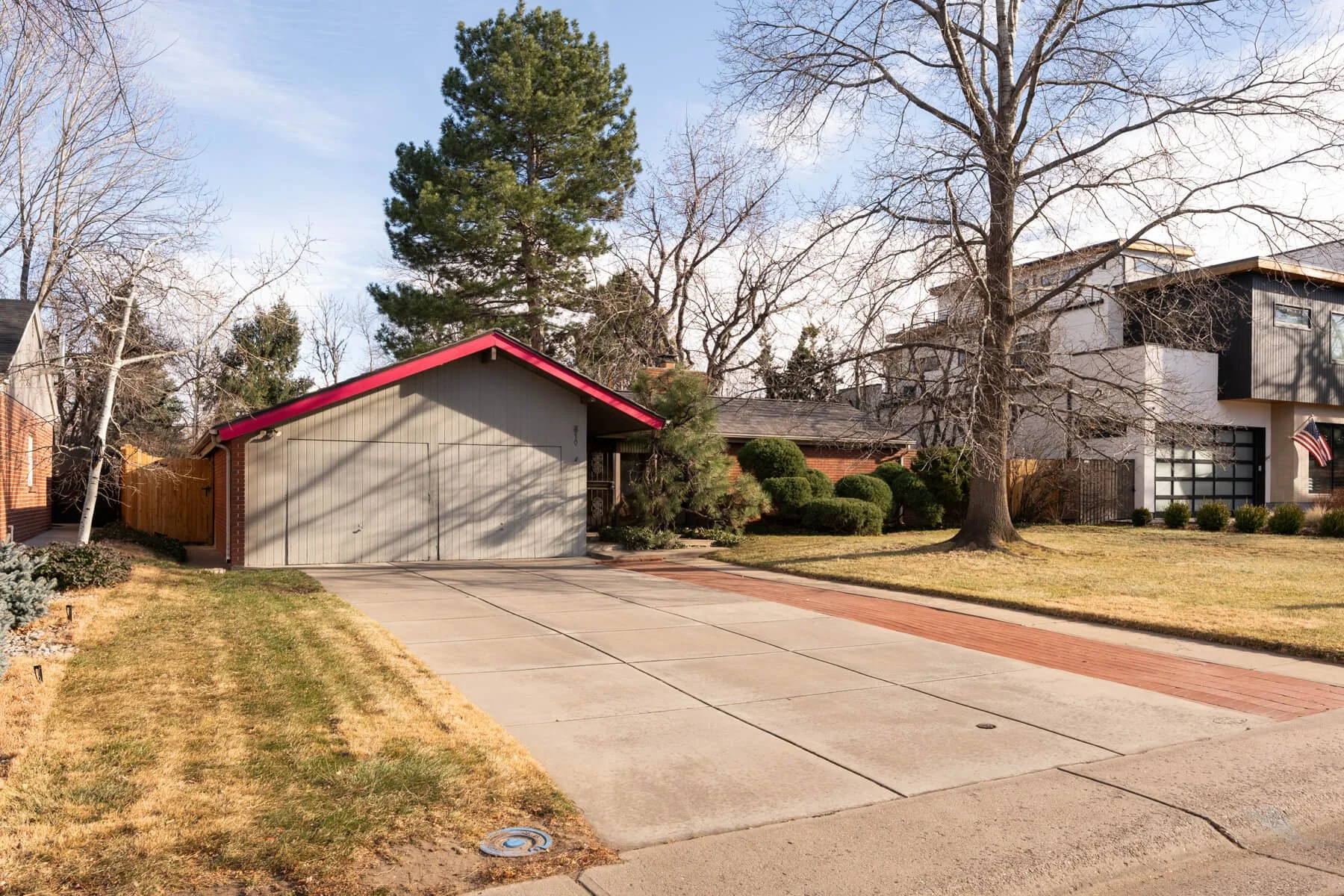
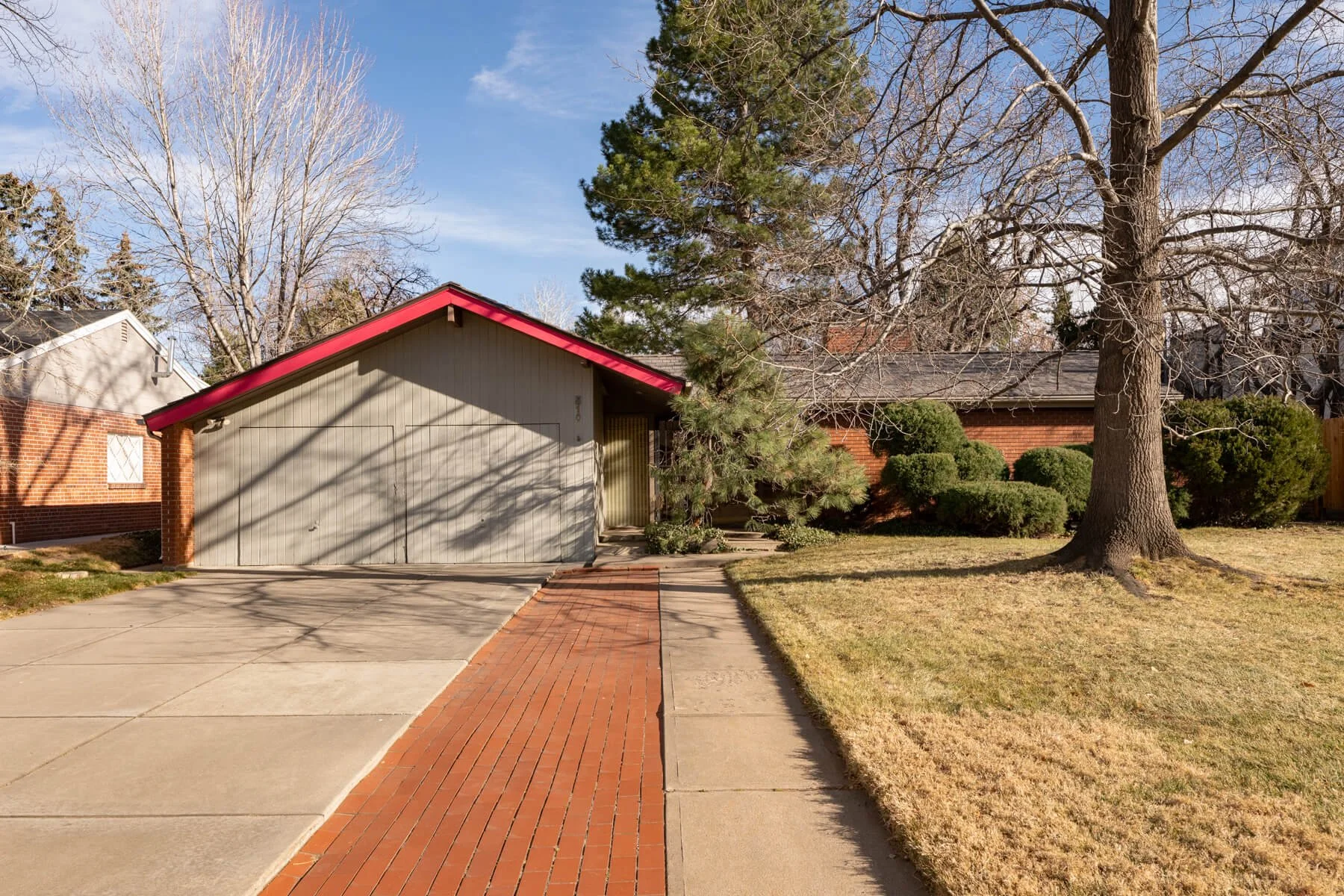
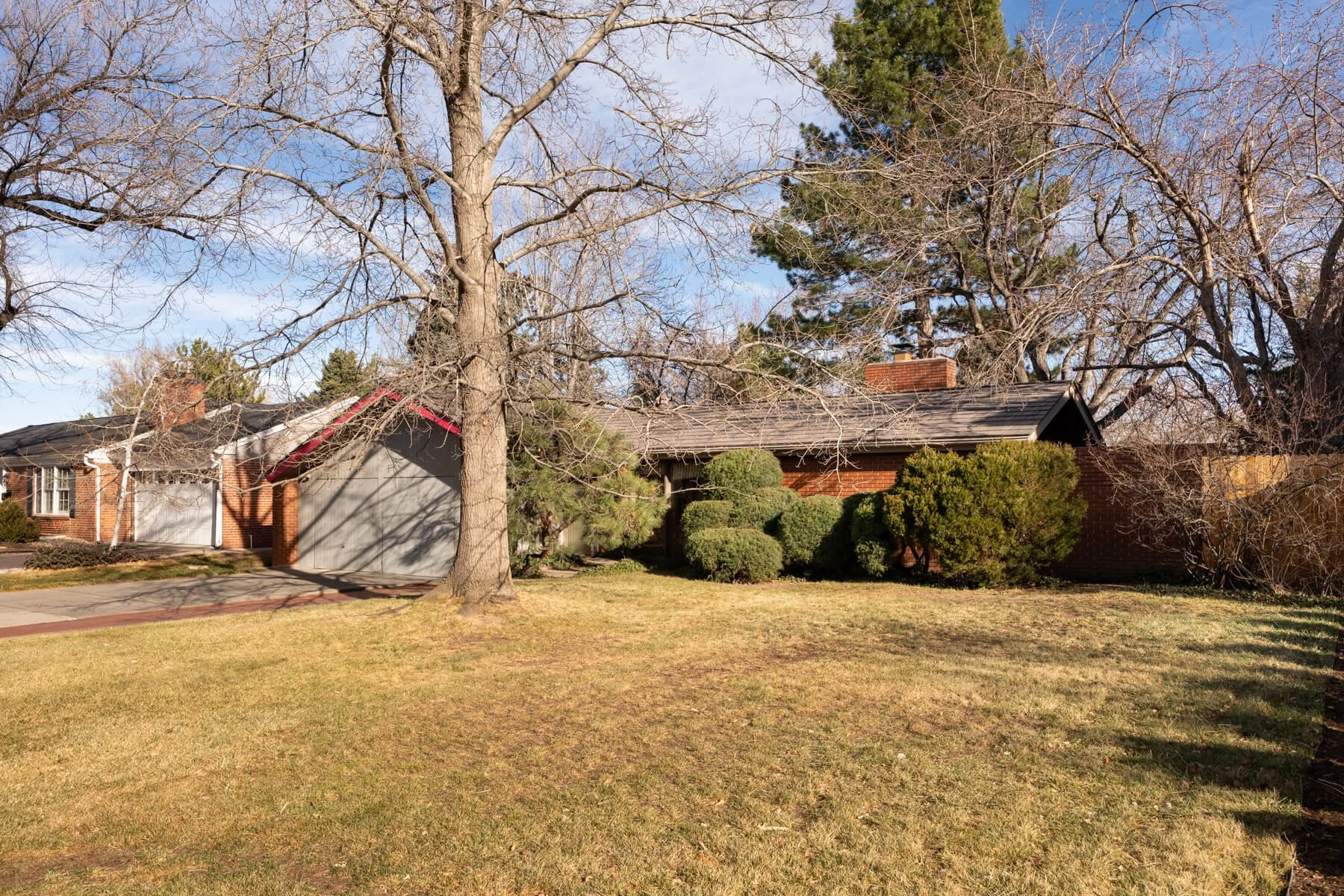
Listing Information
General Listing Description
Original List Price: $1,250,000
Listing Contract Date: N/A
Listing Contract Date: N/A
Senior Community YN: No
Tax Legal Description: N 55FT OF L 11 & S 20FT OF L 10 BLK 1 STOKES PLACE ADD
Parcel Number: 5132-02-010
Property Type: Residential
Property Sub Type: Single Family Residence
Ownership: Estate
Structure Type: House
Levels: One
Basement YN: No
Architectural Style: Mid Century Modern
Year Built: 1956
Subdivision Name: Stokes Place
Builder Model: Joseph "Gerry" Dion-Archtect
Common Walls: No Common Walls
List Office Name: MidMod Colorado
Interior
Beds Total: 4
Baths Total: 2
Baths Full: 2
Baths 3/4: 0
Baths 1/2: 0
Baths 1/4: 0
Above Grade Fin Area (SqFt): 2,070
Area (SqFt) Total: 2,070
Living Area (SqFt Fin): 2,700
PSF Above Grade: 579.71
PSF Finished: 579.71
PSF Total: 579.71
Basement: None
Appliances: Fridge, Cook Top, Oven, Microwave, Dishwasher
Flooring: Carpet, Tile
Interior Features: No Stairs, Wood Ceilings, Vaulted Ceilings
Window Features: Many Floor to Ceiling
Fireplaces: 1/ Family Room; Wood Burning
Furnished: No
Exclusions: Seller’s Personal Property and or staging items
Detailed Room Information
School Information
School District: Denver Public Schools
Early Childhood Ecudation and Pre-K: Stephen Knight Center for Early Childhood Developement
Elementary School (1st-5th): Cory Elementary School
Middle Or Junior School (6th-8th): Merrill Middle School
High School: South High School
Exterior, Building & Site
Construction Materials: Brick, Frame, Wood Siding
Foundation Details: Concrete Perimter
Exterior Features: Large Yard
Patio And Porch Features: Multiple Patios
Fencing: Full
Roof: Class IV Composite Shake look-alike
Lot Size Square Feet: 11,300
Lot Size Acres: 0.26
Direction Faces: West
Is Incorporated YN: Yes
Zoning: S-SU-F
Horse YN: No
Lot Features: Level
Vegetation: Grassed, Mixed
Parking
Parking Total: 2
Type: Attached Garage
Utilities
Heating: Radiant Heat, Natural Gas, Boiler
Cooling: None
Water Included YN: Yes
Sewer: Public Sewer
Utilities: Cable Available, Electricity Connected, Internet Access (Wired), Natural Gas Connected, Phone Available
Associations
HOA: No
Total Annual HOA Fees: $0.00
Restrictions/Covenants? Yes; Denver Landmarked
Senior Community YN: No
Financial
Listing Terms: Cash, Conventional, FHA, Jumbo, VA Loan
Tax Annual Amount: $6,597.34
Tax Year: 2024
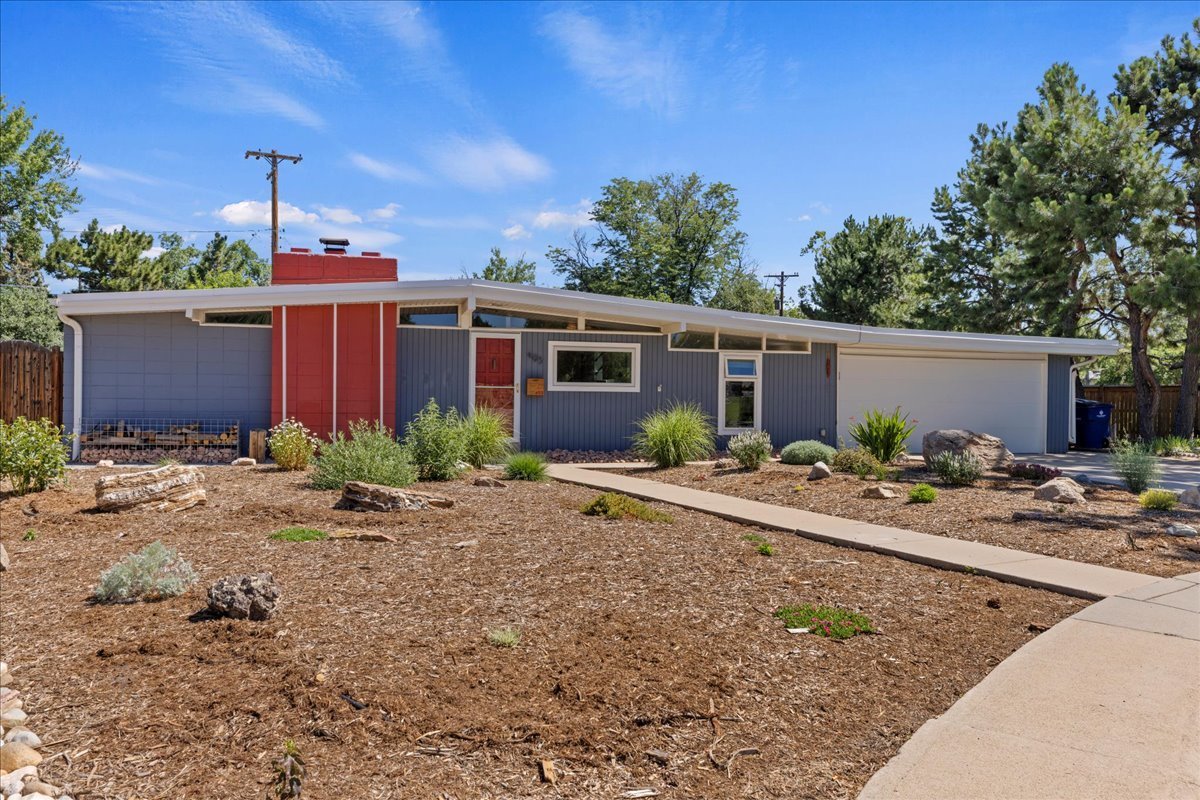
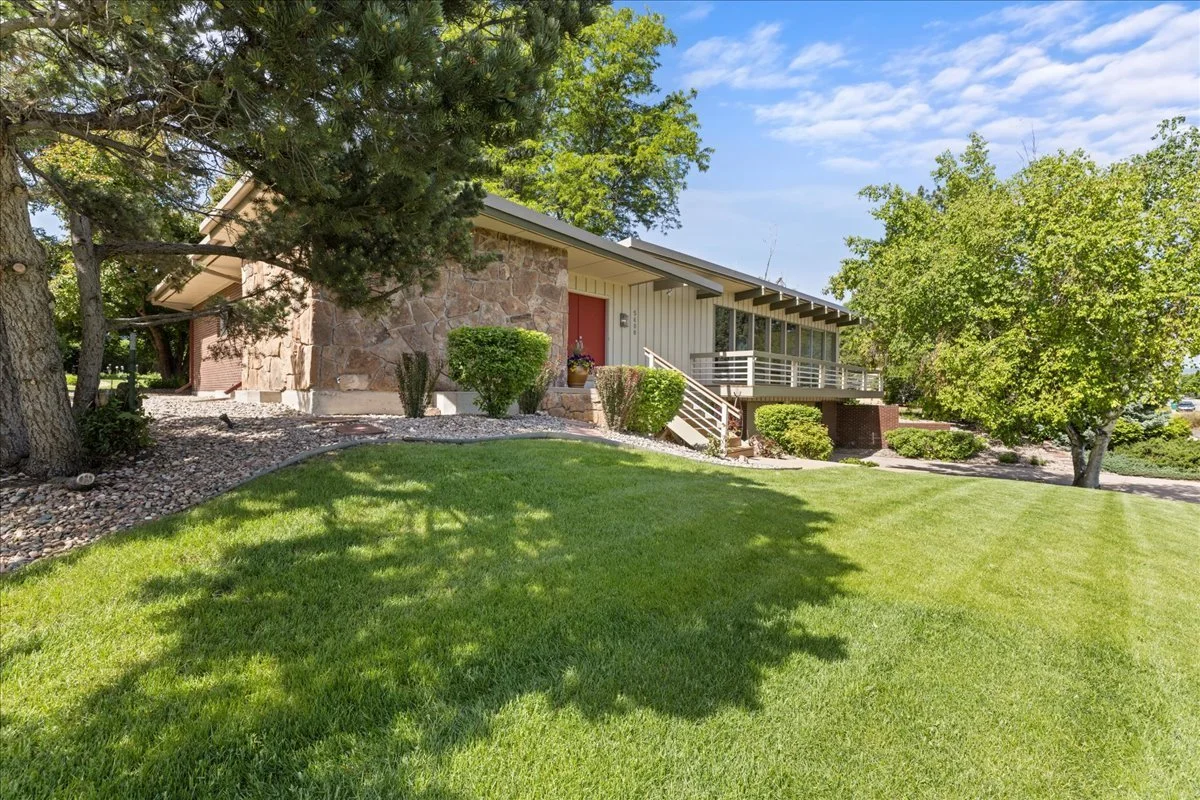
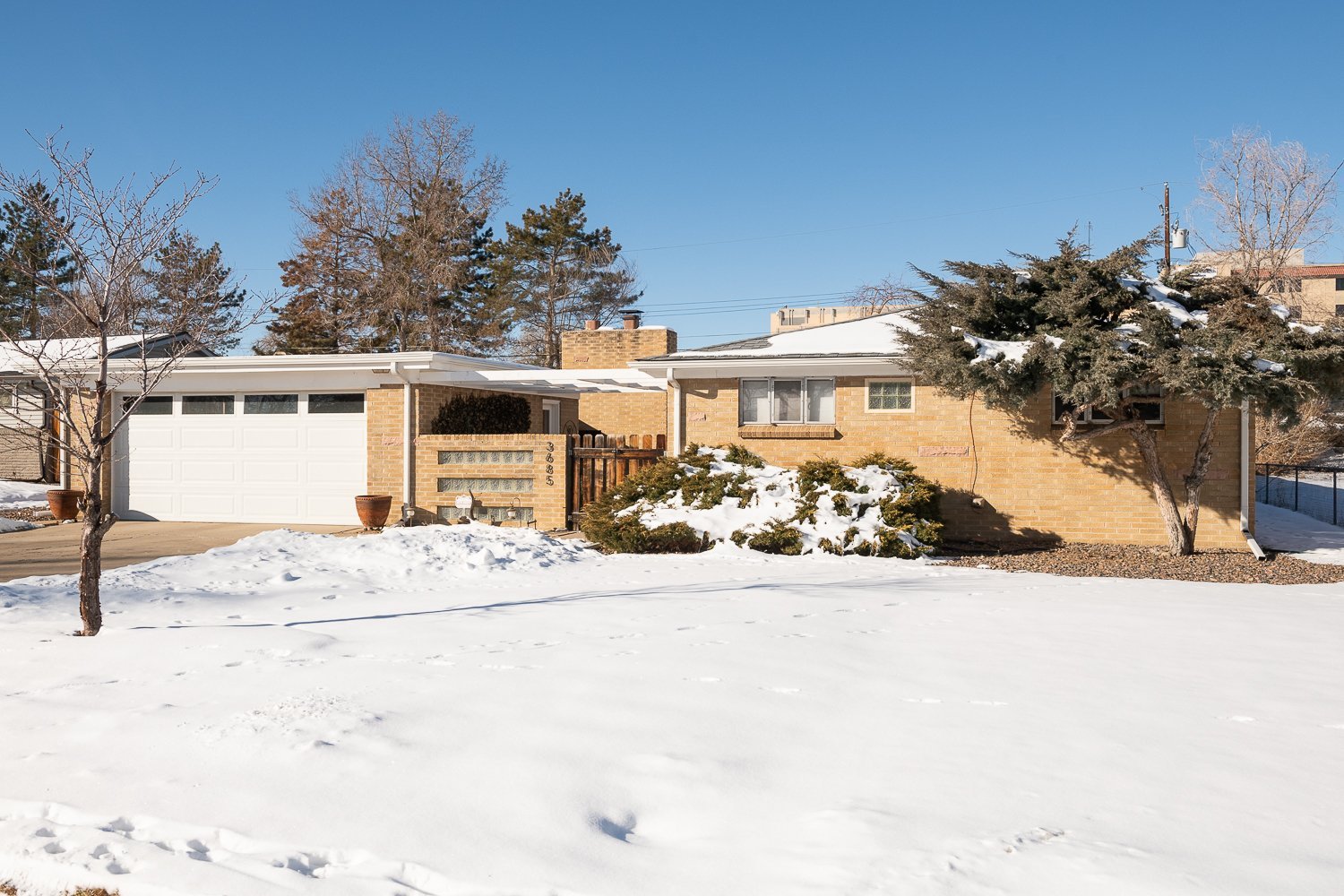
Explore Other Mid-Mod HomeS